George Washington University (GW) blends an urban campus experience with direct access to the institutions that shape public policy, diplomacy, law, and global business. Located in the Foggy Bottom neighborhood of Washington, D.C., GW gives students a front-row seat to internships, research collaborations, and career opportunities that are hard to replicate elsewhere.
Why location matters
Being steps from the White House, Congress, federal agencies, embassies, and major think tanks means GW students can turn classroom theory into hands-on experience. Internship windows open across Capitol Hill, federal departments, international organizations, NGOs, and private firms—often within walking distance. That proximity accelerates networking, mentorship, and job placement, especially for students focused on international affairs, public policy, law, and health policy.
Academic strengths with practical emphasis
GW’s academic structure supports interdisciplinary learning.
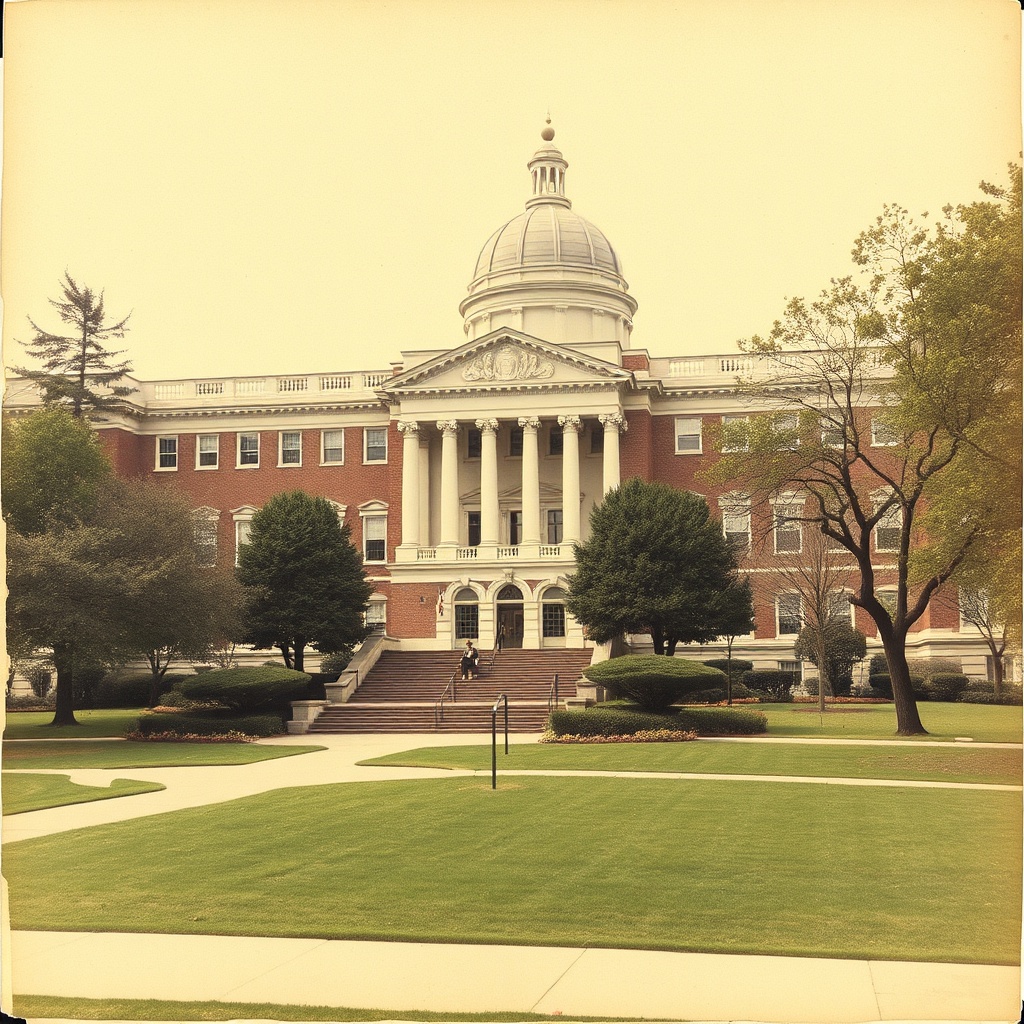
Schools and programs spanning international affairs, public policy, law, business, engineering, and health sciences encourage students to combine technical skills with policy literacy. The Elliott School of International Affairs, the Milken Institute School of Public Health, the Law School, the School of Business, and the School of Medicine and Health Sciences each emphasize applied research, policy clinics, and capstone experiences.
These programs regularly partner with government and private-sector entities, giving students opportunities to work on real-world problems and publish or present findings.
Research and public engagement
Research at GW tends to focus on policy-relevant areas: global security, public health, climate resilience, cybersecurity, and urban planning. Centers and institutes often host public events with policymakers, scholars, and industry leaders—creating a learning environment where current debates are part of the curriculum.
Students can join research projects, serve as research assistants, or contribute to policy briefs that reach decision-makers.
Student life in an urban setting
Campus life balances the intensity of city living with on-campus community offerings. Student organizations cover political debate, cultural interests, professional development, and community service.
Performing arts venues, museums, and cultural festivals in the city enrich student life beyond campus. For students who enjoy activism or civic engagement, the local environment provides abundant volunteer opportunities and civic internships.
Healthcare and clinical training
GW Hospital and affiliated clinical programs provide direct access to clinical experience for health and medical students. Interprofessional education is emphasized, and partnerships with public health organizations allow students to work on population health initiatives, disaster preparedness, and public health campaigns.
Career services and alumni network
Career development offices focus on translating internships and campus experiences into career trajectories. Workshops, employer panels, and alumni mentoring programs are tailored to fields common among GW graduates: foreign service, legislative affairs, public health, law, consulting, and finance. The alumni network in the capital and globally provides a valuable resource for informational interviews, job referrals, and mentorship.
Tips for prospective students
– Prioritize programs that match your career goals and look for schools that encourage cross-disciplinary study.
– Explore internship and research opportunities early; many placements are competitive and benefit from advance planning.
– Attend public events and lectures to meet practitioners and expand your network.
– Consider the urban trade-offs—convenience and access versus the higher cost and fast pace of city living—and plan housing and budgeting accordingly.
For students eager to work at the intersection of policy, law, health, and global affairs, George Washington University offers a unique combination of location, program variety, and professional pipelines. Visiting campus, talking with current students and faculty, and mapping potential internships are effective next steps for evaluating fit and preparing for a career shaped by the nation’s capital.
Leave a Reply