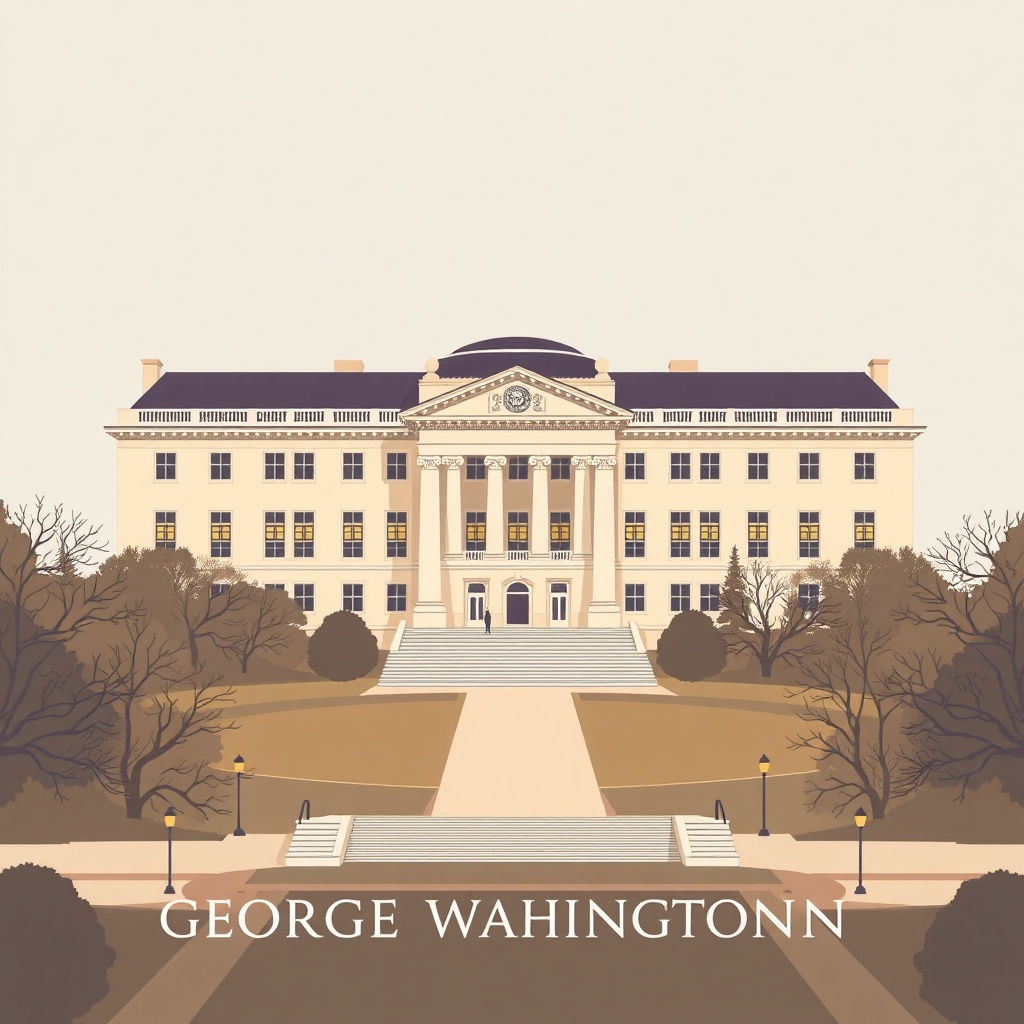
George Washington University (GW) sits at the intersection of urban energy and academic ambition, offering a campus experience tightly woven into the heart of the nation’s policy, business, and cultural centers. For students seeking access to internships, public affairs networks, and interdisciplinary research, the university’s Foggy Bottom location provides a unique springboard.
Campus and Community
Foggy Bottom’s walkable streets place GW near the National Mall, government agencies, think tanks, and international organizations. That proximity makes it easy for students to attend policy briefings, cultural events, and networking receptions between classes. The campus itself blends historic brick buildings with modern facilities—study spaces, performance venues, and dining options—to support a diverse student body and active campus life.
Academic Strengths and Research
GW is known for strong programs in international affairs, public policy, law, business, medicine, and public health. The Elliott School of International Affairs consistently draws students interested in diplomacy, security, and global governance, while the Law School and business programs emphasize experiential learning and professional readiness. Research centers and institutes span topics such as public health, cybersecurity, climate policy, and urban planning, fostering cross-disciplinary collaboration between students and faculty.
Internships and Career Opportunities
One of GW’s standout advantages is the abundance of internship and career opportunities within easy reach. Students commonly balance classroom learning with real-world experience at federal agencies, congressional offices, NGOs, major corporations, and cultural institutions. Career services and employer relations teams work to connect students with internships and full-time roles, while professional development workshops and alumni networking events help translate experience into career momentum.
Student Life and Organizations
A robust slate of student organizations supports interests ranging from student government and cultural clubs to entrepreneurship and sustainability groups. Campus events—lectures, performances, student-run fairs, and athletic matches—help build community while creating leadership opportunities. Residential life in Foggy Bottom fosters collaboration and convenience, with many students living within walking distance of classes and downtown resources.
Global Programs and Study Abroad
Study abroad and global engagement are central to GW’s identity. Programs offer immersive learning experiences and partnerships with institutions around the world, allowing students to gain international perspective while pursuing degree requirements.
Faculty-led seminars, exchanges, and internships abroad enhance cultural fluency and professional experience.
Sustainability and Campus Initiatives
Sustainability is an active priority on campus, with initiatives aimed at energy efficiency, waste reduction, and sustainable dining. Student groups often partner with campus sustainability offices to advance projects that reduce environmental impact and promote resilient urban planning—an appealing feature for students who want applied experience in environmental policy and practice.
Health, Wellness, and Safety
Student wellness resources include counseling, health services, and programs focused on mental health and well-being. Campus safety measures and public-safety partnerships help maintain secure learning environments, while offices dedicated to diversity and inclusion work to ensure students from varied backgrounds find community and support.
Why GW Appeals
For students drawn to public service, policy, international affairs, and urban engagement, GW offers a blend of academic rigor, location-based advantage, and hands-on professional access. The mix of local opportunity and global perspective makes it a compelling choice for those ready to turn classroom study into real-world impact. Exploring campus visits, virtual events, and departmental offerings helps prospective students gauge fit and identify the pathways that align with academic and career goals.
Leave a Reply