Georgetown: Historic Charm, Waterfront Life, and Local Tips
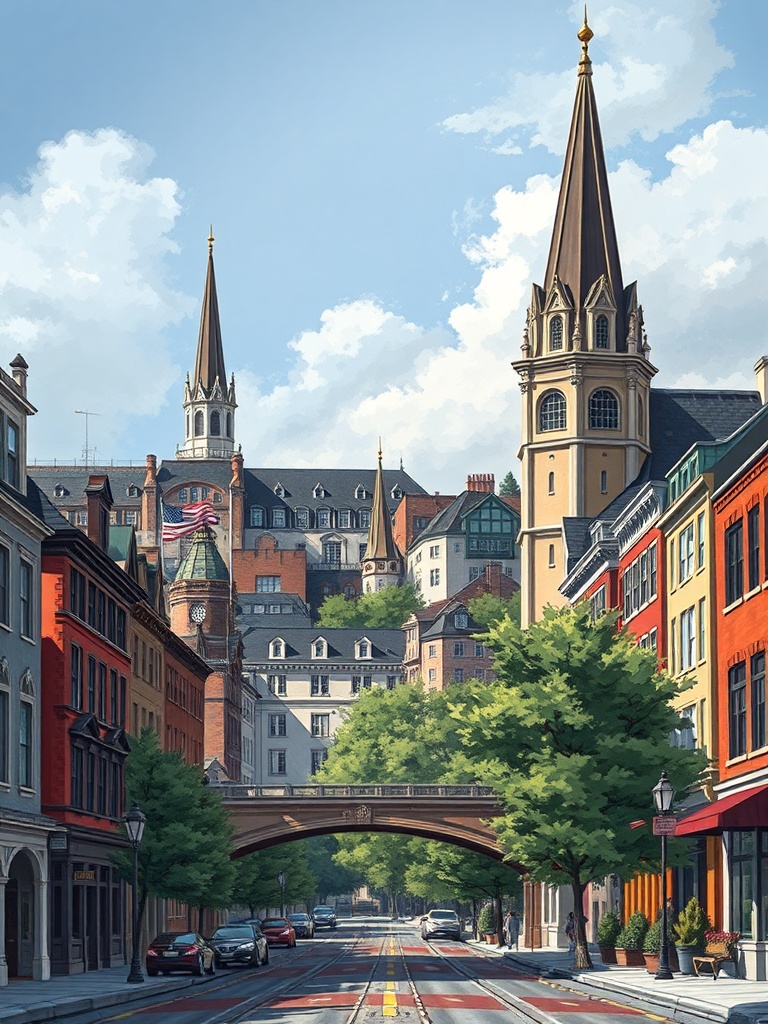
Georgetown blends cobblestone streets, ivy-covered college buildings, and a lively waterfront into one of the region’s most appealing neighborhoods. Whether you’re drawn by the historic architecture, boutique shopping, campus life, or outdoor activities along the Potomac, Georgetown offers a compact, walkable experience that stays vibrant throughout the seasons.
What to see and do
– Stroll the C&O Canal towpath to experience a quieter side of the city. The towpath is ideal for walking, running, and biking, and it offers scenic views that feel miles away from the urban core.
– Explore the university campus for its gothic architecture, public art, and leafy quads. Campus-adjacent streets reveal stately rowhouses and hidden courtyards.
– Wander M Street and Wisconsin Avenue for shopping and dining. These corridors mix longtime independent shops, upscale boutiques, and a wide restaurant scene ranging from casual cafés to refined dining.
– Spend time at the waterfront parks along the Potomac. The promenade is perfect for watching boats, renting kayaks or paddleboards, and catching sunset views from comfortable benches and green spaces.
– Visit small cultural landmarks such as historic houses and intimate galleries sprinkled through the neighborhood.
Public art installations and occasional pop-up events keep the cultural calendar interesting.
Dining and nightlife
Georgetown’s culinary scene caters to many tastes. Brunch spots fill up on weekend mornings, while evenings bring a mix of convivial bars, wine rooms, and chef-driven restaurants. Look for locally sourced menus and seasonal specials; many establishments are tucked into converted rowhouse basements and alleys, offering cozy atmospheres and a sense of discovery.
Shopping and markets
Expect a mix of national brands and independent retailers. Antique stores and specialty shops reward browsers with unique finds. Weekend markets and small pop-ups often appear near the waterfront and along side streets—great for artisanal goods, fresh produce, and gifts.
Getting around
There’s no rapid transit station directly in the neighborhood, so most visitors arrive via a short ride from nearby subway stops or by bus and neighborhood circulators. Walking is the best way to soak in the atmosphere; comfortable shoes are recommended for the brick and cobblestone surfaces. Bike-share docks and dedicated bike lanes make cycling convenient, and rideshare apps offer quick last-mile connections.
If driving, plan extra time for parking—street meters and structured options can fill early, especially on weekends.
Practical tips
– Visit early in the day to enjoy quieter streets and easier parking, or explore neighborhoods off the main thoroughfares for a calmer experience.
– Check business hours before you go; many independent shops and small cafés keep limited schedules or close earlier than chain stores.
– Bring a camera and comfortable walking shoes—there are photogenic nooks and historic facades around nearly every corner.
– If you want water access, look for rental kiosks along the waterfront for kayaks and stand-up paddleboards; guided tours are a good option for beginners.
Neighborhood character and preservation
Georgetown balances preservation with contemporary life.
Strong historic protections maintain the distinctive streetscape, while thoughtful public improvements enhance pedestrian access and waterfront amenities.
That mix makes the neighborhood feel like a living museum—rich in history but fully engaged with modern city life.
Whether you’re planning a short visit or exploring neighborhoods for a longer stay, Georgetown delivers a memorable blend of history, hospitality, and waterfront recreation that keeps locals and visitors coming back.
Leave a Reply