The White House remains one of the most recognizable civic buildings in the world, blending living quarters, governance hubs, cultural symbolism, and public programming. For visitors and observers alike, understanding how the White House operates today means looking beyond iconic images to the evolving visitor experience, preservation efforts, and the ways the residence and workplace connect with the public.
What visitors can expect
Public access is limited but possible. Tours are coordinated through members of Congress or, for foreign visitors, through embassies. Expect a security screening process and to book well in advance; last-minute walk-ins are not available.
The White House Visitor Center offers exhibits and resources for those who can’t take an interior tour, with artifacts, interactive displays, and context about daily life and historic moments tied to the executive residence.
Architecture and preservation
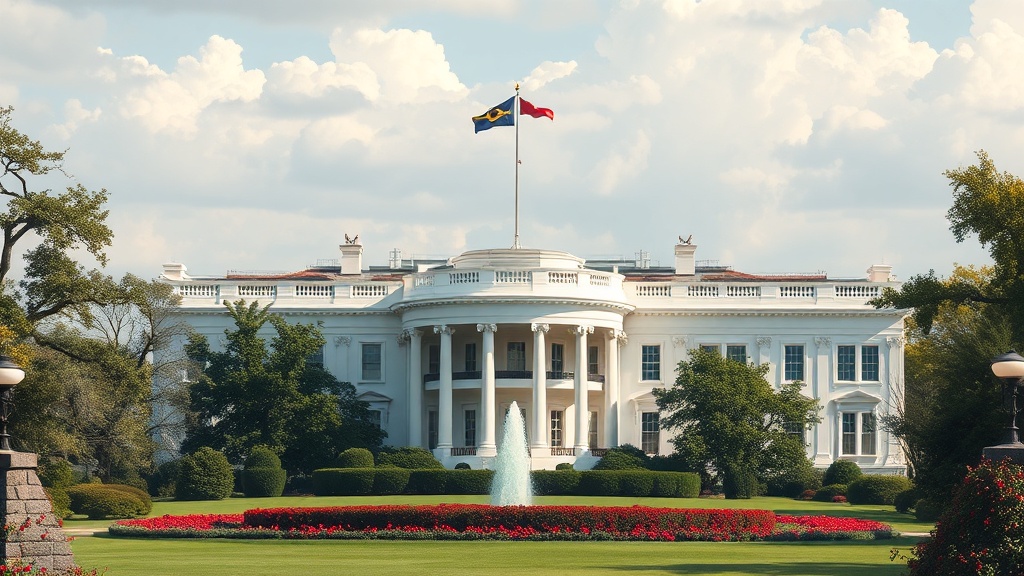
The complex houses multiple distinct spaces: the Executive Residence, the West Wing with the Oval Office and press facilities, and the East Wing with reception rooms and staff offices.
Behind the familiar neoclassical facade is a continuous program of maintenance and preservation guided by the White House Historical Association and professional conservators.
Period rooms, antiques, and decorative arts are managed carefully to balance use and conservation, with curators working to keep the public-facing interiors historically faithful while accommodating modern security and operational needs.
Events that define the calendar
Several annual and recurring events draw public attention.
Traditional elements—such as holiday decorations, the annual Easter-themed activities, and state arrival ceremonies—offer glimpses of ceremonial life. State Dinners and official visits create momentary windows into diplomacy and protocol, and garden ceremonies on the Rose Garden and South Lawn are frequently used for policy announcements and public-facing engagements.
Accessibility, digital reach, and public engagement
The White House has expanded how it reaches people who cannot visit in person. Virtual tours, online exhibitions, and social channels present curated collections, behind-the-scenes stories, and live event coverage. Accessibility is a priority for physical tours as well, with accommodations available for visitors who request them in advance.
For accurate, up-to-date information about programs, tour procedures, and digital content, official sources and the Visitor Center remain the most reliable references.
Sustainability and modernization
Operational demands require ongoing upgrades to infrastructure, from energy efficiency measures to communications systems.
Preservation teams must integrate modern HVAC, security, and sustainability upgrades in ways that do not compromise historic fabric. These incremental improvements support a living building that serves contemporary needs while honoring its heritage.
Tips for planning a visit or following events
– Arrange tours through your congressional representative or embassy well ahead of travel dates.
– Bring valid photo identification and be prepared for security screening.
– Check the White House Visitor Center and official channels for virtual tours if an in-person visit isn’t possible.
– Follow official social media and press briefings for real-time updates on events and public addresses.
– Respect photography rules and staff instructions when on the grounds.
Why it still matters
The White House functions as both a private residence and a public symbol—where policy, ceremony, and history intersect.
Its continued maintenance, public programming, and adaptation to modern needs reflect a broader civic commitment to preserving national heritage while remaining a working center of government. Whether planning a visit or following events from afar, staying informed through official channels ensures the best possible experience and accurate, timely information.
Leave a Reply