Planning a visit to the White House? Whether it’s a bucket-list stop for out-of-town guests or a local outing, knowing what to expect makes the experience smoother and more memorable.
The White House remains both a working government residence and a public symbol—its access is limited and guided by security and scheduling, but public tours, seasonal events, and the Visitor Center keep the building connected to the public.
How to request a tour
Public tours are arranged through a member of Congress for U.S. residents or through your country’s embassy for international visitors. Requests are recommended well in advance because availability is limited and tours can fill quickly. Tour schedules are subject to change for official events or security reasons, so flexible planning helps avoid disappointment.
What the tour typically includes
Interior public tours usually pass through several historic State Rooms on the ground floor and the residence level. Visitors may see spaces such as the East Room, State Dining Room, and several parlor rooms decorated with art and period furnishings.
The West Wing and private residential quarters are generally not part of public tours. The White House Visitor Center, located nearby, offers exhibits, artifacts, and educational displays that complement the tour experience and are open to the public without the same request process.
Security and entry requirements
Expect thorough security screening similar to airport procedures.
All visitors must present valid government-issued photo identification; check requirements for minors and international guests. Large bags, backpacks, food, and certain electronic devices are typically prohibited.
Photography is often allowed in many parts of the tour but may be restricted in specific areas—follow instructions from staff. Dress comfortably and prepare for metal detectors and bag checks.
Accessibility and special accommodations
The White House makes accommodations for guests with disabilities.
Visitors who need assistance should notify the office handling their tour request when arranging plans.
Mobility devices are generally allowed, and staff can help arrange special support when contacted in advance.
Seasonal events and public programs
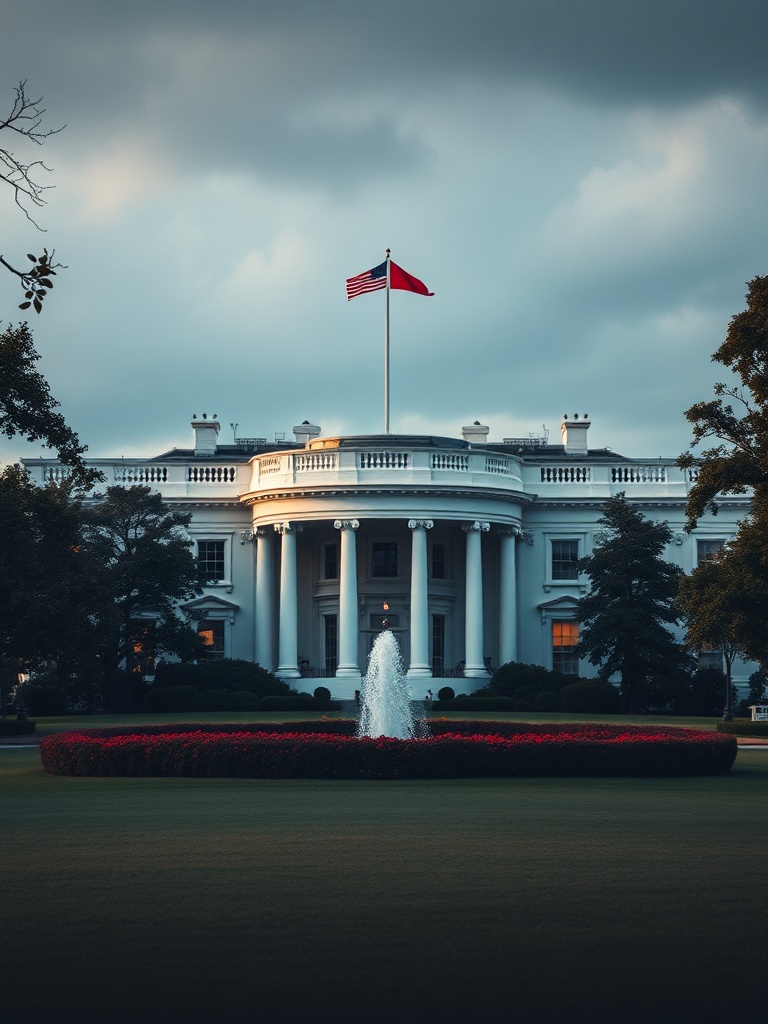
Beyond tours, the White House hosts public-facing seasonal activities that attract large crowds—attractive lawn displays, seasonal decor, and special events create a unique chance to see the grounds. The annual Easter Egg Roll and public-facing holiday decorations traditionally draw families and photographers. Security, guest lists, and access vary for these events, so check official announcements and your member of Congress for guidance on attendance.
Tips for a smooth visit
– Request your tour early through a congressional office or embassy and reconfirm closer to your visit.
– Bring a valid photo ID for every adult and arrive at least 15–30 minutes early.
– Pack light; leave prohibited items at your hotel or in a secure location.
– Dress for the weather and for walking—the grounds and nearby attractions often involve outdoor time.
– Combine the visit with nearby landmarks: the National Mall, Smithsonian museums, memorials, and Lafayette Square are all within easy reach.
– Be prepared for changes: official events can alter public access on short notice.
The White House offers a rare glimpse into the intersection of history, politics, and everyday governance. With careful planning and an awareness of security rules and seasonal changes, a visit can be an educational and unforgettable part of exploring the nation’s capital.
Leave a Reply