Georgetown captures a rare mix of historic charm and urban energy, making it one of the most visited and talked-about neighborhoods in the capital region. Narrow, cobblestone streets open onto rows of Federal-style townhouses, boutique shops, and lively dining spots, while the C&O Canal and Potomac River provide scenic backdrops for outdoor activity and relaxation.
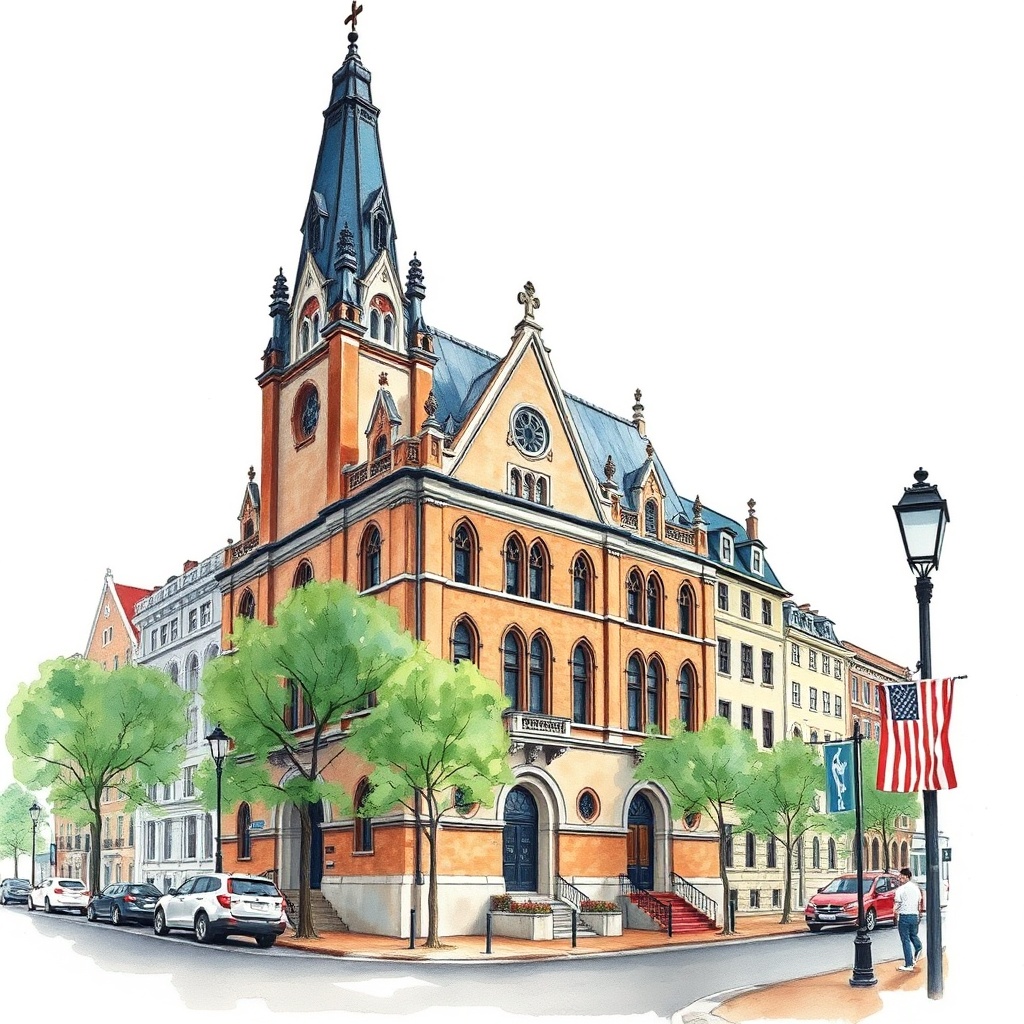
A walkable neighborhood with strong preservation rules, Georgetown keeps its architectural character intact. You’ll find brick rowhouses, wrought-iron details, and hidden gardens tucked behind historic facades. That preservation focus shapes everything from storefront design to renovation permits, preserving the quaint, village-like atmosphere that draws visitors and residents alike.
Culture and campus life are central to the neighborhood’s identity. The local university is a major presence, contributing Gothic architecture, student energy, lectures, and cultural programming open to the public.
Nearby museums and historic homes, including notable garden estates and house museums, offer quiet escapes and rotating exhibitions that appeal to history buffs, art lovers, and casual strollers.
Dining and retail in Georgetown are diverse by design. Streets like M Street and Wisconsin Avenue host a mix of independent boutiques, well-known brands, antique shops, and specialty stores.
Dining ranges from upscale waterfront restaurants with river views to casual cafés and international eateries tucked into side streets. The waterfront and plaza areas become focal points for al fresco dining, people-watching, and seasonal activations that keep the area lively across the year.
Outdoor recreation centers on the C&O Canal towpath and the Potomac waterfront.
The towpath is a favorite for walking, running, and cycling, while water-based activities include kayaking, paddleboarding, and river cruises that connect to other neighborhoods. Green spaces and pocket parks offer a break from the city pace, and local markets and weekend vendors bring fresh food and artisan goods to public spaces.
Getting around requires a bit of planning—Georgetown doesn’t have a Metro stop within its boundaries, so many visitors rely on buses, rideshares, Capital Bikeshare, or a short trip from nearby Metro stations. Circulator-style buses and water taxis offer additional connectivity for those who prefer public transit. Parking can be limited, so consider alternatives to driving for a smoother visit.
Real estate and development conversations are often part of the neighborhood conversation. Balancing the needs of long-term residents, students, small businesses, and preservation mandates creates lively public debate about new projects and adaptive reuse.
This dynamic keeps community meetings and local planning initiatives active and relevant to anyone interested in urban design and neighborhood stewardship.
Whether you’re coming for historic architecture, a university event, boutique shopping, or the Potomac’s riverfront charm, Georgetown offers a compact, varied experience.
It’s a place where past and present coexist, inviting repeat visits to discover a new café, gallery exhibit, or quiet canal-side stretch each time.
Leave a Reply