The White House remains one of the most recognizable symbols of American government and public life, blending historic preservation, civic ceremony, and modern operations on a single Washington campus. Beyond headline-making announcements and diplomatic receptions, the White House offers layers of interest for visitors, policy followers, and design enthusiasts alike.
What the public can see and do
Public access to the White House is limited but meaningful.
Tours are arranged through members of Congress or one’s home country’s embassy and usually require advance planning and a background check. Tour routes vary depending on official business and security needs, and may include portions of the State Floor and outdoor spaces such as the Rose Garden or South Lawn when schedules permit.
Major public happenings—like the annual community events that draw families to the grounds—also provide accessible ways to experience the site.
Gardens, food and sustainability
The White House grounds host more than just formal lawns.
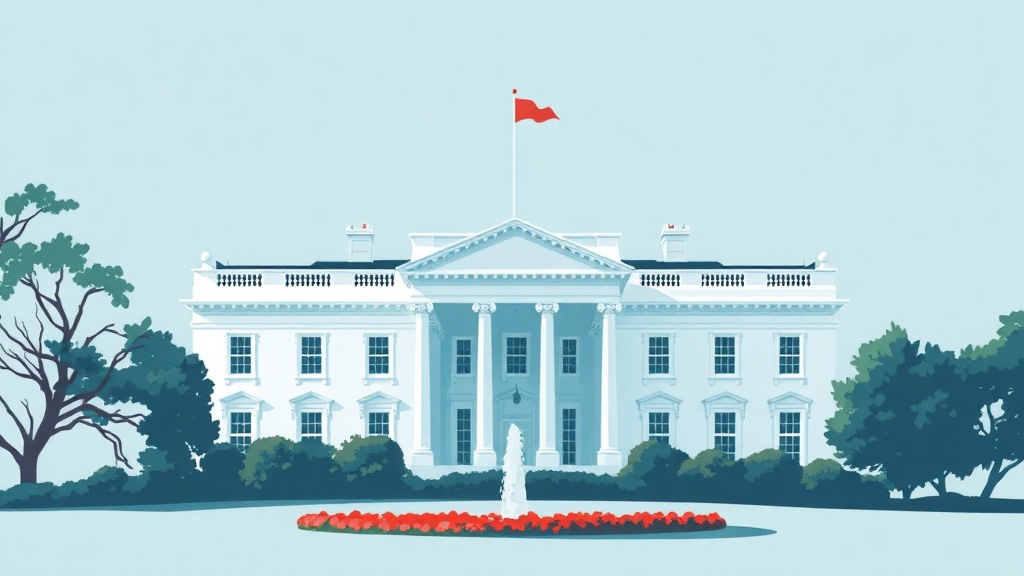
The Rose Garden and the South Lawn are iconic settings for press events and receptions, while kitchen gardening initiatives and beekeeping projects have highlighted the residence’s role in promoting healthy eating and pollinator health. Recent focus has leaned toward sustainability: energy-efficiency upgrades, water-conserving landscaping practices, and efforts to reduce waste and increase local sourcing for official functions reflect a broader trend toward greener operations.
Architecture and preservation
As both a working office and a private residence, the White House requires continuous maintenance and sensitive restoration practices. Preservation teams balance historical authenticity with contemporary needs—updating mechanical systems, improving accessibility, and integrating modern security features without undermining historic fabric. The complex of buildings adjacent to the Executive Residence supports executive offices, staff operations, and official receptions, creating a living campus that evolves with each administration.
Visitor tips and etiquette
– Request a tour well in advance through your congressional office or embassy; last-minute requests are rarely accommodated.
– Carry a government-issued photo ID and be prepared for screening procedures.
– Follow posted rules for photography and movement; some areas may be off-limits depending on events or security.
– Dress for the weather if your visit includes outdoor portions; the grounds are best enjoyed in comfortable shoes.
– Be mindful of decorum—this is both a residence and a national symbol.
Public engagement and programming
The White House’s public role extends beyond tours. Press briefings, policy announcements, and state visits are broadcast widely and shape national conversations. Outreach programs—ranging from youth initiatives to fellowship opportunities—connect citizens to civic life, while partnerships with cultural institutions help preserve and display the residence’s extensive art and decorative arts collections.
Why it matters
As a physical place and a center of executive power, the White House serves multiple functions: a focal point for ceremonial life, a workplace for national leadership, and a platform for public diplomacy. Understanding how it operates—its public access, stewardship priorities, and cultural role—adds depth to any view of national governance.
For the latest visitor information and scheduling guidance, check the official White House resources and coordinate with your congressional office or embassy before planning a trip.
Whether you’re watching a televised address or walking the grounds in person, the White House continues to be a blend of history, policy, and public engagement.
Leave a Reply