Washington DC’s green spaces are no longer just civic backdrops — they’re active, connected places that shape daily life, recreation, and neighborhood identity. From the broad lawns of the National Mall to winding trails along the Anacostia, the District’s parks and pathways offer diverse ways to get outside, commute, and connect with community.
A network of trails ties the city together. The Capital Crescent and C&O Canal towpaths provide scenic commutes and longer-distance rides that link downtown with Maryland suburbs. Within the city, the Anacostia Riverwalk Trail runs along both banks of the river, opening up waterfront access, launching points for paddling, and new opportunities for small businesses.
Efforts to expand and better connect these routes continue, making nonmotorized travel increasingly practical for residents and visitors.
Rock Creek Park remains an urban wilderness, offering miles of hiking and mountain biking amid mature canopy.
Its shaded trails provide a quick escape from urban intensity and are popular for everything from trail running to birding. Trail stewardship groups and park partners regularly organize maintenance days and guided walks that are great for learning about local ecology and staying engaged with park conservation.
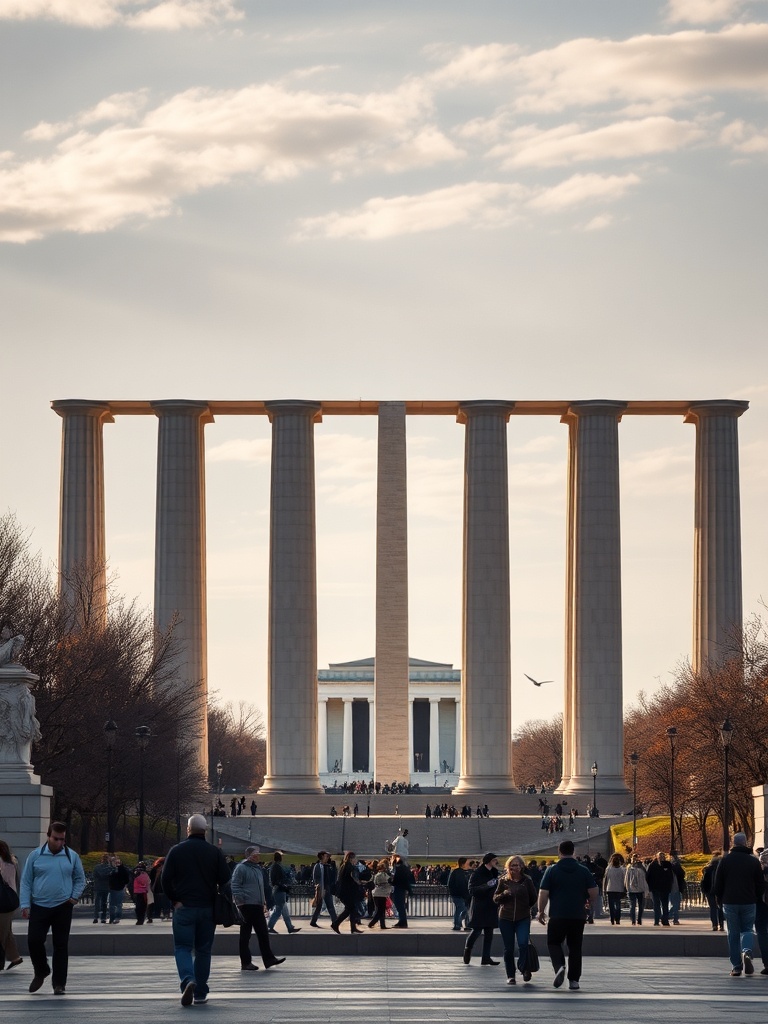
The National Mall and monuments continue to draw people for informal recreation as much as for sightseeing. Beyond the iconic lawn spaces, the Mall’s cultural institutions and memorials are increasingly hosted with pop-up programs, fitness classes, and family-friendly events. The surrounding neighborhoods also benefit from pocket parks, playground upgrades, and community gardens that make blocks more walkable and livable.
Waterfront revitalization has transformed formerly industrial riverfronts into active public realms. New piers, boardwalk sections, and river access points bring kayaking, stand-up paddleboarding, and seasonal boat rentals within reach. These improvements often pair ecological restoration with public amenities, so users can enjoy cleaner water and improved habitat while recreating responsibly.
Connectivity and access are essential features of the city’s green infrastructure strategy.
Protected bike lanes, expanded sidewalks, and transit-oriented planning mean more people can reach parks without a car. Capital Bikeshare docks, shared e-scooters, and multiple Metro stops provide convenient first- and last-mile options for park visits. For visitors driving in, many major parks offer accessible parking and detailed wayfinding online.
Safety and etiquette make parks pleasant for everyone. During peak hours, walk on the right, announce when passing cyclists and runners, and leash dogs where required. Pack water, check trail conditions before heading out, and carry a phone for navigation. For quieter experiences, seek out less-traveled pockets like neighborhood greenways and smaller community parks away from the Mall’s crowds.
Getting involved amplifies impact.
Volunteer groups, local conservancies, and watershed organizations host cleanups, tree plantings, and habitat restoration projects that keep green spaces healthy. Park stewardship not only improves resilience against stormwater and heat but also strengthens local ties.
Whether looking for an energizing run, a family picnic, a riverside paddle, or a bike commute, Washington DC’s parks and trails offer options for every pace. As connectivity improves and stewardship grows, these green spaces continue to shape how people live, move, and gather across the city.
Leave a Reply