Georgetown remains one of the most photographed and visited neighborhoods in Washington, D.C., blending historic charm, lively retail, and a scenic waterfront into a compact, walkable district.
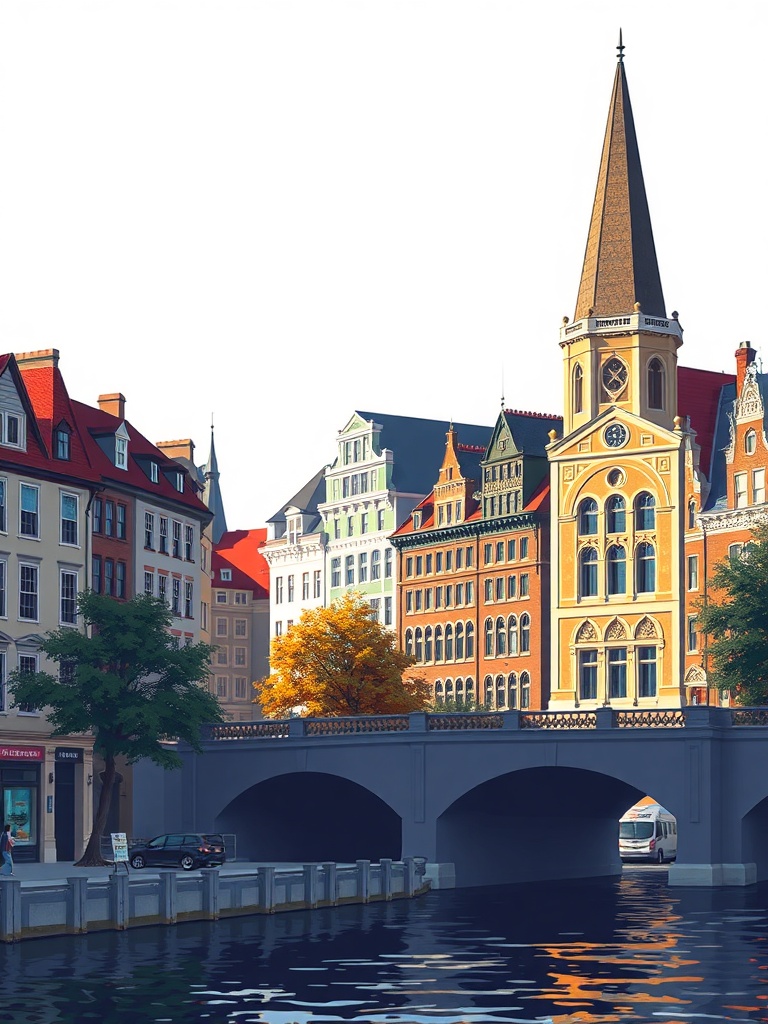
Whether you’re planning a quick day trip or a longer stay, this guide highlights the best ways to experience Georgetown’s architecture, dining, outdoor life, and cultural attractions.
Historic streets and architecture
Wandering Georgetown’s cobblestone streets is the best way to soak up its past. Brick rowhouses, Federal-style facades, and tucked-away gardens give the neighborhood a storybook feel. Key landmarks include preserved historic homes and small museums that trace the area’s colonial and early American roots. Plan a walking route that covers M Street and the quieter side streets off of it to appreciate the contrasts between lively storefronts and serene residential blocks.
Shopping and dining
M Street and Wisconsin Avenue host the bulk of Georgetown’s retail scene, where national brands sit alongside independent boutiques, artisan shops, and a few specialty stores you won’t find anywhere else. Dining options range from upscale restaurants ideal for special occasions to casual cafés and bakeries perfect for a midday break. Waterfront restaurants offer scenic views of the Potomac; reservations are recommended for weekend evenings or peak dining periods.
Parks, trails, and the waterfront
Outdoor options are a major draw. The C&O Canal towpath invites walkers, joggers, and cyclists along a shaded, historic route that runs through the neighborhood. The nearby waterfront park provides green space, river views, and easy access to kayaking and paddleboard rentals. For longer rides, the Capital Crescent Trail connects Georgetown to a larger network of bike paths and suburban trails, making it easy to combine urban exploration with a more active outdoor route.
Cultural attractions
Georgetown offers an unexpectedly rich cultural calendar. Small museums, historic estates with gardens, and local galleries provide plenty for art and history lovers. The university campus adds architectural interest and campus events that are often open to the public.
Check listings for gallery openings, garden talks, and public lectures that match your interests.
Getting there and getting around
Parking can be limited and metered in many parts of Georgetown, and garages fill up quickly on busy days. Public transit options, local buses, and car-share services make accessing the neighborhood easier without the stress of searching for parking. Bike-share stations and a compact street grid also make walking and cycling practical choices once you arrive.
Practical tips
– Start early if you want quieter streets and easier parking.
– Wear comfortable shoes—cobblestones and hills are part of the charm but can be rough on footwear.
– Make reservations for popular restaurants and tour experiences.
– Bring a reusable water bottle and sunscreen for outdoor exploration.
– Keep an eye on seasonal programming—outdoor concerts, markets, and garden tours frequently appear on neighborhood calendars.
Why visitors keep coming back
Georgetown’s mix of scenic riverfront, historic streets, polished shopping, and lively dining makes it a versatile destination. Its compact size means you can experience a lot in a single afternoon, but the neighborhood’s layers reward repeat visits. Whether you’re there for food, history, outdoor activity, or just a pleasant stroll, Georgetown delivers a memorable urban experience that balances past and present.
Leave a Reply