Georgetown: Historic Charm, Waterfront Energy, and Urban Living
Georgetown blends history, vibrant dining, and waterfront life into one of the most visited neighborhoods in the capital. From cobblestone streets and Federal-style rowhouses to a lively main street scene, this neighborhood offers a mix of old-world character and contemporary amenities that appeal to residents and visitors alike.
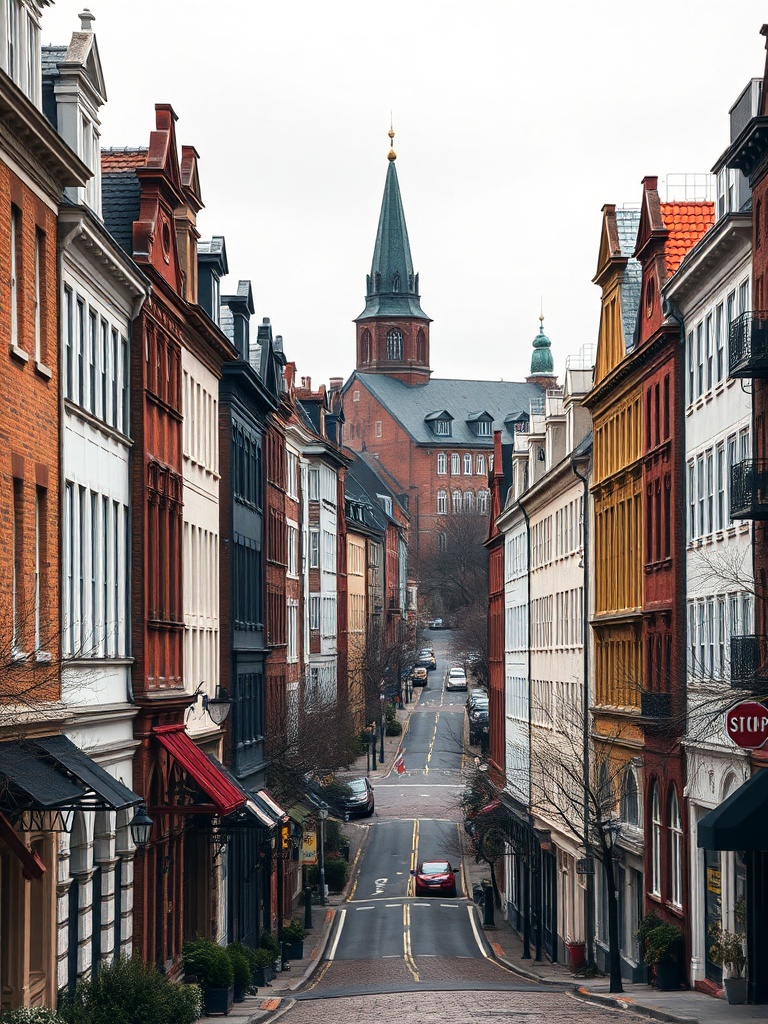
Historic streets and scenic walks
Strolling Georgetown’s tree-lined avenues reveals well-preserved architecture and quiet pockets of green. The C&O Canal towpath provides a peaceful walking and biking route that runs parallel to the Potomac River, perfect for a morning run or a slow sunset walk.
Historic homes and hidden alleys make the neighborhood a favorite for walking tours that focus on architecture, local lore, and notable residents.
Waterfront and outdoor life
The Georgetown waterfront has transformed from industrial roots into a bustling destination with restaurants, public plazas, and riverfront seating. Boat tours and paddleboard rentals offer a different perspective on the city skyline, while the waterfront park hosts seasonal activities and outdoor markets. For those seeking a quieter escape, nearby parks and the canal basin deliver scenic spots for picnics and birdwatching.
Shopping and dining
M Street and Wisconsin Avenue are the neighborhood’s commercial spine, offering a curated mix of boutiques, national retailers, and independent shops. Food options span from high-end dining to beloved neighborhood cafés and casual eateries—perfect for every mood and budget.
Brunch crowds, happy-hour patios, and late-night spots keep the district lively across the day.
University influence and cultural life
The presence of a major university shapes the neighborhood’s energy, with cultural events, lectures, and performing arts adding to the local calendar. Museums, galleries, and bookstores contribute to a culturally rich environment that balances student life with long-term residents’ traditions.
Transportation and practicalities
Georgetown is notable for its walkability, but it also presents unique transportation considerations. There’s no direct subway stop in the neighborhood, so buses, a neighborhood circulator, rideshares, and walking from nearby stations are common transit choices. Cycling infrastructure and scooter services make short trips easier, but parking can be limited—visitors often find that arriving by transit or on foot reduces hassle.
Community and development
Conversations about growth, development, and preservation are a constant part of neighborhood life. Residents and local leaders regularly weigh the benefits of new shops and improved public spaces against the need to protect historic character and community cohesion. This ongoing dialogue helps shape projects that aim to respect the past while supporting modern needs like sustainability and accessibility.
Tips for visiting
– Start early on weekends to avoid crowds along main shopping corridors.
– Explore side streets to discover quieter architecture and local cafés.
– Combine a canal walk with a waterfront meal for a complete neighborhood experience.
– Check event listings for open-air markets, festivals, and university talks to add cultural depth to the visit.
Georgetown continues to attract people who appreciate a neighborhood where history meets everyday urban life—one where leisurely walks, waterfront views, and a diverse dining scene make it easy to spend a day (or more) exploring. Whether visiting for the shops, the river, or the architecture, the neighborhood consistently offers a memorable urban retreat.
Leave a Reply