George Washington University stands out for one primary reason: location.
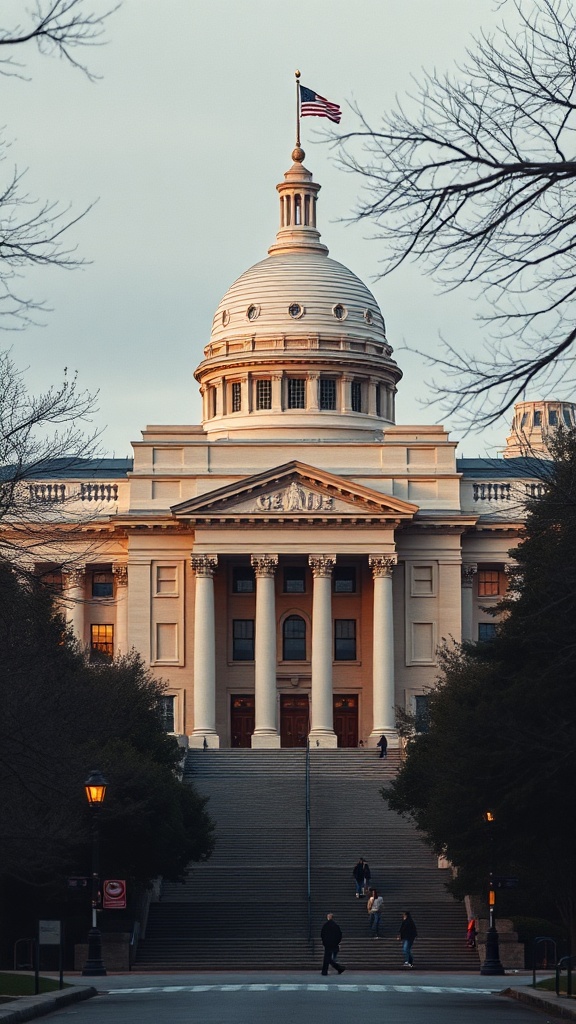
Anchored in the heart of the nation’s capital, the university turns proximity into opportunity, connecting students with policymakers, international organizations, think tanks, cultural institutions, and major employers a short walk or metro ride away. That geographic advantage shapes academics, research, and student life in ways that are hard to replicate.
Academics built for impact
GW’s curriculum emphasizes experiential learning across disciplines. Strong programs in public policy, international affairs, law, health sciences, and business benefit from classroom-to-career pipelines. Faculty often bring practical experience from government, nonprofits, and industry, and many courses incorporate real-world policy projects, client-based research, or simulations that mirror professional practice. Interdisciplinary centers and institutes act as hubs for applied research, fostering collaborations between students, faculty, and external partners.
Internships and career momentum
One of GW’s biggest selling points is the scale and variety of internship opportunities.
Students secure placements on Capitol Hill, at federal agencies, law firms, think tanks, NGOs, museums, and multinational corporations. Career services support includes hands-on resume coaching, mock interviews, networking events, and alumni mentorship that help translate internships into full-time roles. For students focused on public service or policy, campus connections often open doors to meaningful summer and semester-long experiences.
Research and innovation
Research at GW spans basic science to policy analysis. Healthcare and biomedical research are strong where faculty and affiliated hospitals collaborate on clinical trials and translational work. Public health researchers tackle urban health challenges, while cybersecurity and data science faculty partner with government and private-sector entities on emerging threats and solutions.
The university’s research centers are designed to respond to pressing societal problems, giving students opportunities to contribute to published work and policy briefs.
Campus life and culture
Foggy Bottom’s urban campus blends historic architecture with modern facilities. Student life is active and varied: more than a hundred student organizations, cultural groups, service organizations, and club sports keep campus vibrant. On any given day students can attend guest lectures by visiting diplomats or leaders, visit nearby museums, or participate in community service in Washington neighborhoods. Housing ranges from traditional residence halls to apartment-style living, and many students take advantage of the city’s cultural calendar and dining scene.
Sustainability and campus investments
The university has been investing in greener buildings and campus infrastructure, pursuing energy efficiency and waste reduction initiatives. Sustainability programming engages students through research, campus operations, and community partnerships aimed at making the campus and surrounding neighborhoods more resilient and livable.
Tips for prospective students
– Leverage location: plan informational interviews with local employers and use the campus career center early.
– Prioritize experiential options: seek internships, clinics, or fieldwork that align with career goals.
– Explore interdisciplinary paths: combine majors or minors to build unique skill sets (e.g., policy and data science).
– Visit and connect: attend on-campus events or virtual sessions to sense cultural fit and network with current students and faculty.
Whether your focus is policy, health, business, law, or technology, George Washington University offers a distinctive blend of academic rigor and access. For students who want to combine serious study with daily exposure to national and global institutions, the university delivers a compelling environment to learn, influence, and launch a career.
Leave a Reply