Washington DC blends monuments, museums, neighborhoods, and a lively food scene into a compact, walkable capital that rewards exploration beyond the National Mall. Whether you’re visiting for a weekend or exploring like a local, here’s a practical guide to getting the most from the city.
Why the Mall and museums are still a priority
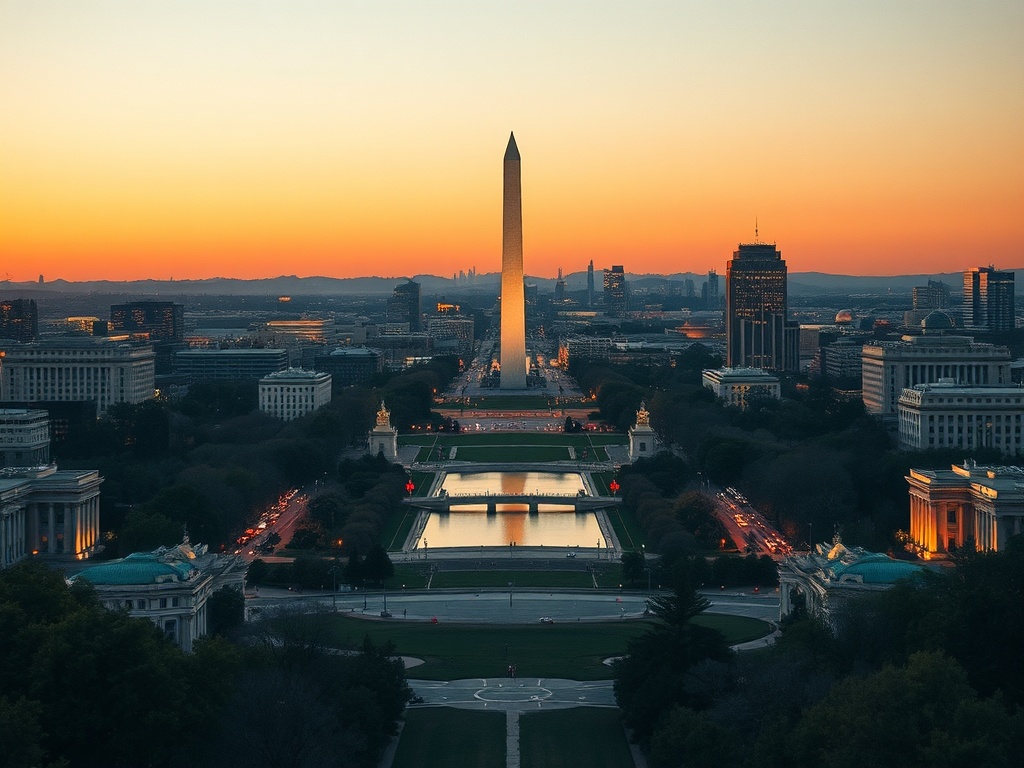
The National Mall remains the city’s heartbeat: broad lawns, iconic memorials, and the reflective pool framed by major museums. Many Smithsonian museums offer free admission and world-class collections, making them easy stops between outdoor sightseeing. Some popular museums use timed-entry reservations for crowd management, so check ahead and book where required to avoid disappointment.
Neighborhoods that reveal DC’s personality
– Georgetown: Historic streets, boutique shopping, waterfront dining, and the towpath along the C&O Canal. It’s photogenic and walkable, though hilly in places.
– U Street and 14th Street corridors: Live music, vibrant nightlife, and one of the best concentrations of restaurants in the city, including celebrated spots serving Ethiopian cuisine.
– Capitol Hill: Beyond the Capitol and Eastern Market, this area offers charming rowhouses and leafy streets ideal for a leisurely stroll.
– Navy Yard and Wharf: Waterfront development with restaurants, bars, and event spaces; great for an evening walk and people-watching.
– Anacostia: A neighborhood with growing arts and cultural offerings; visit galleries and community spaces to discover a different side of DC.
Best times and smart sightseeing
Start early for the Mall to enjoy cooler temperatures and softer light for photos. Sunset visits to the Lincoln Memorial and the Tidal Basin yield dramatic reflections and fewer crowds. If you’re chasing cherry blossoms, monitor bloom predictions since peak timing shifts with weather; plan a flexible itinerary.
Getting around efficiently
DC is highly walkable, and combining walking with public transit is often quickest. The metro rail system links major attractions and neighborhoods; a reloadable transit card makes transfers simple. Bike-share and scooter services provide convenient short-hop options — ride in bike lanes where available and follow local rules.
Rideshares and taxis are useful late at night or for cross-river trips.
Dining and cultural highlights
The food scene is dynamic: from seafood and market stalls to high-end tasting menus and late-night favorites like regional sausages and chili-smothered classics. Farmers markets such as Eastern Market offer seasonal produce, prepared foods, and artisan goods. Live music venues and intimate jazz clubs keep the city lively after dark.
Practical safety and planning tips
– Many attractions enforce security checks; travel light and be prepared for bag screening.
– Keep awareness of surroundings and secure personal items in crowded areas.
– Some high-traffic museums require timed-entry passes — review museum websites before you go.
– Weather can change quickly; carry a light rain jacket and comfortable shoes for cobblestones and long walks.
Green spaces and lesser-known escapes
For quieter green space, the National Arboretum, Rock Creek Park, and smaller estate gardens offer peaceful alternatives to busier sites.
These spots are ideal for picnics, photography, and discovering local flora.
Whether you’re drawn by monuments, museums, culinary adventures, or neighborhood discoveries, DC rewards curiosity. Plan a mix of iconic stops and off-the-beaten-path detours to experience the capital like someone who knows it well.
Leave a Reply