Washington DC sits at the intersection of history and a changing climate.
Low-lying riverbanks, extensive impermeable pavement, and dense urban development make the city especially vulnerable to two growing threats: flooding from heavy storms and tidal surges, and intensified heat from the urban heat island effect. How the city adapts matters for daily life, tourism, and long-term prosperity.
Citywide strategies are shifting toward resilience. Planners are expanding green infrastructure—permeable pavement, bioswales, rain gardens, and expanded tree canopy—to absorb stormwater where it falls.
Large-scale upgrades to sewer and stormwater systems are reducing overflows that once fouled rivers after big storms.
Public buildings and historic sites are being reassessed for flood risk, and targeted elevation or protective measures are becoming part of major renovation projects. Cooling strategies include reflective roofing, shade planting, and more accessible cooling centers during heat spells.
Neighborhood-level projects show how resilience and livability can go hand in hand. Waterfront districts are rebuilding promenades and parks to act as flexible floodplains, while streetscapes in commercial corridors are getting pocket parks and permeable sidewalks that reduce runoff and improve pedestrian comfort. Community groups and local businesses are advancing tree-planting campaigns and neighborhood stormwater management projects that reduce local flood risk and make streets more inviting.
Practical tips for residents and visitors
– Sign up for local emergency alerts and monitor weather advisories before traveling across the city.
– If you live in a low-lying area, review flood maps and consider simple home measures: sandbag storage, elevating critical equipment, or using flood-resistant materials during renovations.
– Use transit and micromobility options during heat waves—Metro, buses, and bike-share can reduce exposure to extreme temperatures if service is running.
Keep a refillable water bottle and prioritize shaded walking routes.
– Support or install green features: rain barrels, street trees, and native-plant rain gardens cut stormwater and improve neighborhood comfort.
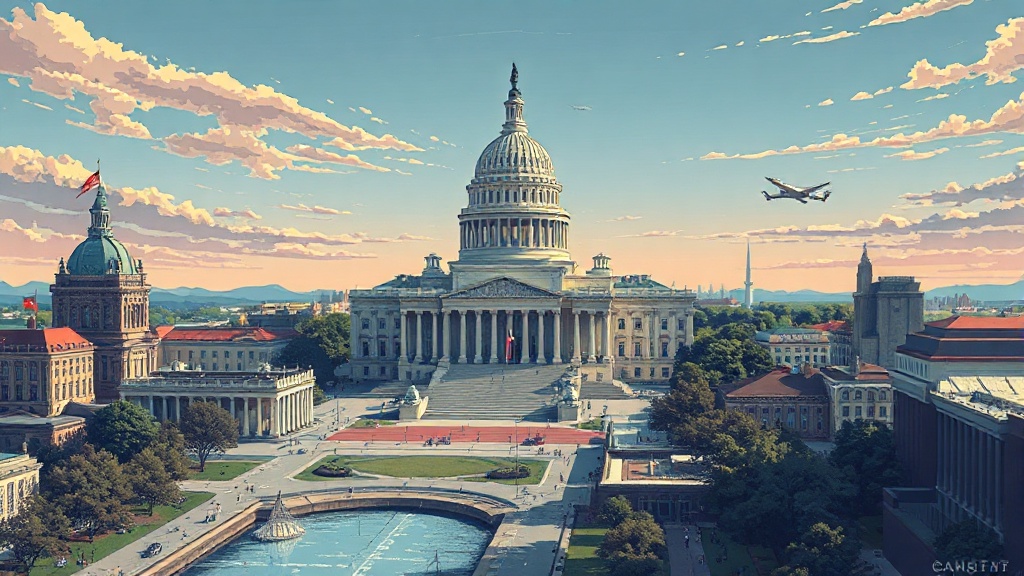
– When visiting riverfront attractions or the Mall, be mindful of high-tide or storm advisories that can temporarily close low-lying walkways.
Economic and cultural benefits
Investing in resilience isn’t just protection—it’s an opportunity.
Greener streets attract foot traffic, support outdoor dining and events, and enhance property values. Cleaner rivers and healthier parks improve tourism appeal and recreational use.
Programs that blend infrastructure upgrades with community benefits—like improved bike lanes, new parklets, or public art integrated into flood defenses—create assets that residents and visitors enjoy every day.
How to stay involved
Look for public meetings on local planning and infrastructure projects, volunteer with neighborhood tree-planting days, and follow local government and utility updates on stormwater programs and city resilience plans. Small, coordinated actions—both individual and civic—help make Washington DC more livable and better prepared for changing weather patterns.
Washington DC’s resilience journey is unfolding across streets, parks, and rivers.
The result can be a healthier, greener city that preserves its historic fabric while adapting to the realities of a shifting climate.
Leave a Reply