Inside the White House: how tradition meets modern life
The White House remains one of the most recognized buildings in the world, serving both as a private residence and the nerve center of executive activity. That dual role creates a constant balancing act: preserving historic character while adapting to contemporary security, communications, and sustainability demands.
Public access and tours
Public interest in visiting the White House is steady. Tours are available, but they require advance planning through a member of Congress for domestic visitors or through an embassy for international guests. Security screening and photo identification are mandatory, and rules about bags, photography, and conduct are strict. Visiting the public rooms—the Blue Room, State Dining Room, and East Room—offers a close-up look at historic furnishings, portraits, and ceremonial spaces used during state occasions.
Architecture and preservation
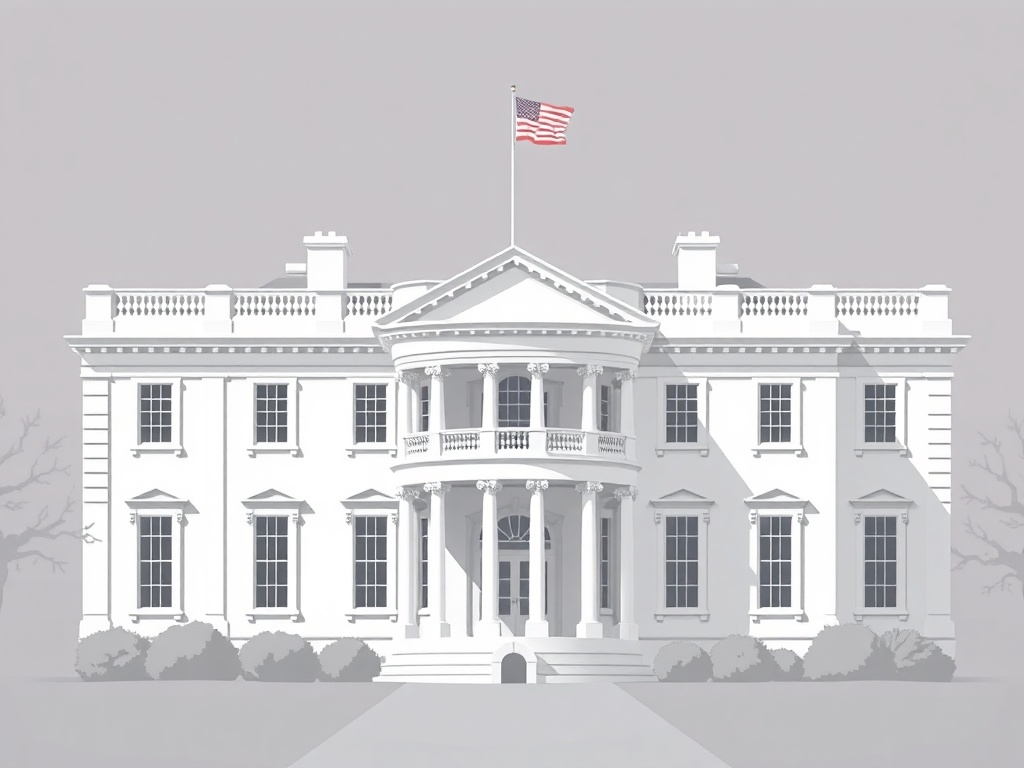
The core building blends Georgian and neoclassical influences and is surrounded by a complex that includes office wings and auxiliary buildings. Ongoing preservation work is supported by public funding and private initiatives. These efforts focus on maintaining original architectural features while replacing or upgrading mechanical systems, wiring, and other infrastructure in ways that minimize visual impact. A dedicated historical association helps fund restorations and curate public-facing educational materials.
Daily functions and diplomacy
Beyond ceremonial duties, the White House is a working hub where policy meetings, press briefings, and diplomatic receptions take place. State dinners and cultural events remain powerful tools of soft diplomacy—using food, music, and art to build bilateral relationships. The East Wing often hosts visitors and ceremonial events, while the West Wing houses primary offices and the central decision-making apparatus.
Security and technology
Security at the White House is multi-layered, combining visible measures with discreet technologies designed to protect occupants and guests.
Law enforcement coordination, perimeter defenses, and advanced surveillance coexist with strict procedural controls for visitors and personnel.
Technology upgrades continuously improve communications, cybersecurity, and situational awareness, aiming to protect sensitive information while enabling efficient operations.
Sustainability and grounds
The White House grounds include gardens, lawns, and specialized areas used for events.
Over recent seasons, there has been growing attention to sustainable landscaping, pollinator habitats, and energy efficiency within the complex. These efforts highlight a broader commitment to reducing operational footprints while preserving the aesthetic and historical integrity of the site.
Culinary traditions
The White House kitchen is more than a place for daily meals; it’s a showcase for seasonal produce, domestic and international culinary traditions, and protocol-driven menus used at state functions. Chefs work closely with event planners to create menus that reflect diplomatic priorities, cultural sensitivity, and often a spotlight on American agriculture.
Engaging the public
The White House continues to expand ways for the public to engage beyond physical tours. Educational programs, virtual tours, and curated online collections help reach wider audiences. Public programming and exhibitions supported by the historical association and other partners focus on storytelling—bringing the history of the building and its role in national life to new generations.
Visiting tips
Plan well in advance, verify the latest visitor rules, and arrive prepared with required identification. Take time to explore nearby public spaces and museums that contextualize the White House within broader national history. Respecting security protocols and staff instructions helps ensure a safe and memorable visit for everyone.
Whether viewed as an architectural landmark, a stage for national decisions, or a symbol of continuity, the White House continues to adapt. Its ongoing preservation and modernization reflect a desire to honor the past while meeting the demands of the present.
Leave a Reply