Georgetown blends historic charm, lively student energy, and upscale urban amenities to create one of the most visited neighborhoods in the capital region. Whether you’re a visitor, a student, or a local resident, Georgetown offers a compact mix of culture, shopping, outdoor recreation, and dining that rewards slow exploration.
What to see and do
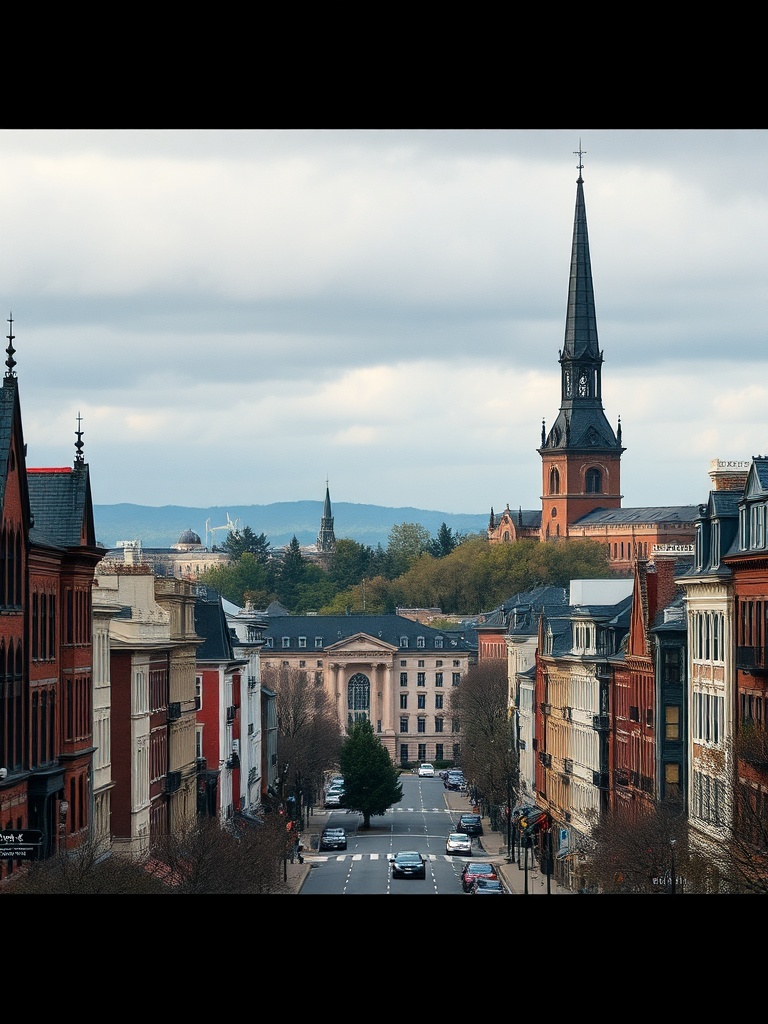
– Stroll the cobblestone streets and rowhouse-lined avenues to soak up Federal-style architecture and leafy residential squares. The neighborhood’s historic district is perfect for architecture lovers and photographers.
– Walk or bike the C&O Canal towpath for a peaceful escape just off the main commercial corridors.
The towpath runs along the Potomac River and connects to scenic parks, ideal for a long walk or an early-morning run.
– Visit the Georgetown Waterfront Park to watch river traffic, rent a kayak, or relax on grassy terraces with skyline views.
The waterfront’s pathways are popular for strolls and people-watching.
– Explore cultural stops like intimate museums and historic estates, where curated gardens and period rooms offer a quieter counterpoint to the busy shopping streets.
– Catch live music at renowned small venues and jazz clubs that showcase local and touring artists. Nightlife stays lively without straying into the scale of larger downtown scenes.
Shopping and dining
M Street and Wisconsin Avenue form the retail spine of Georgetown. Expect an eclectic mix of independent boutiques, designer flagships, and established national brands. The neighborhood’s food scene is equally varied: casual cafés and bakeries sit alongside elevated dining rooms and innovative bars. Farm-to-table concepts, international flavors, and classic American fare make the area attractive to both foodies and anyone looking for a reliable meal after exploring.
Student life and campus culture
The neighborhood is home to a major university whose leafy campus contributes to a youthful, intellectually vibrant atmosphere. Public lectures, campus events, and open cultural offerings frequently draw visitors. Cafés and bookstores bustle with students, creating a lively daytime energy that complements quieter residential blocks.
Getting around
Georgetown’s historic street layout and limited parking encourage walking, biking, and public transit. The neighborhood is well-served by bus routes and nearby metro stations, and bike-share options provide flexible short-trip mobility. Expect slower travel during peak tourist periods and plan for extra time if driving—parking can be competitive.
Real estate and living
Georgetown’s housing market is characterized by classic rowhouses, renovated townhomes, and luxury condominiums. The area remains desirable for those who want walkable urban living with access to waterfront recreation and strong transit links. Buyers and renters should weigh the premium for location against the lifestyle benefits of historic architecture and neighborhood charm.
Tips for visitors
– Visit early in the day to enjoy quieter streets, especially if you want photos without crowds.
– Combine a canal walk with a waterfront lunch for a full neighborhood experience.
– Book reservations for popular restaurants and evening performances to avoid long waits.
– Wear comfortable shoes—Georgetown’s hills and cobblestones are part of the charm but not ideal for high heels.
Georgetown manages to preserve a strong sense of local character while remaining connected to the wider cultural and professional life of the city.
For anyone seeking a mix of history, shopping, and outdoor time by the river, it’s an easy neighborhood to fall for.
Leave a Reply