Georgetown: A Historic Neighborhood That Keeps Reinventing Itself
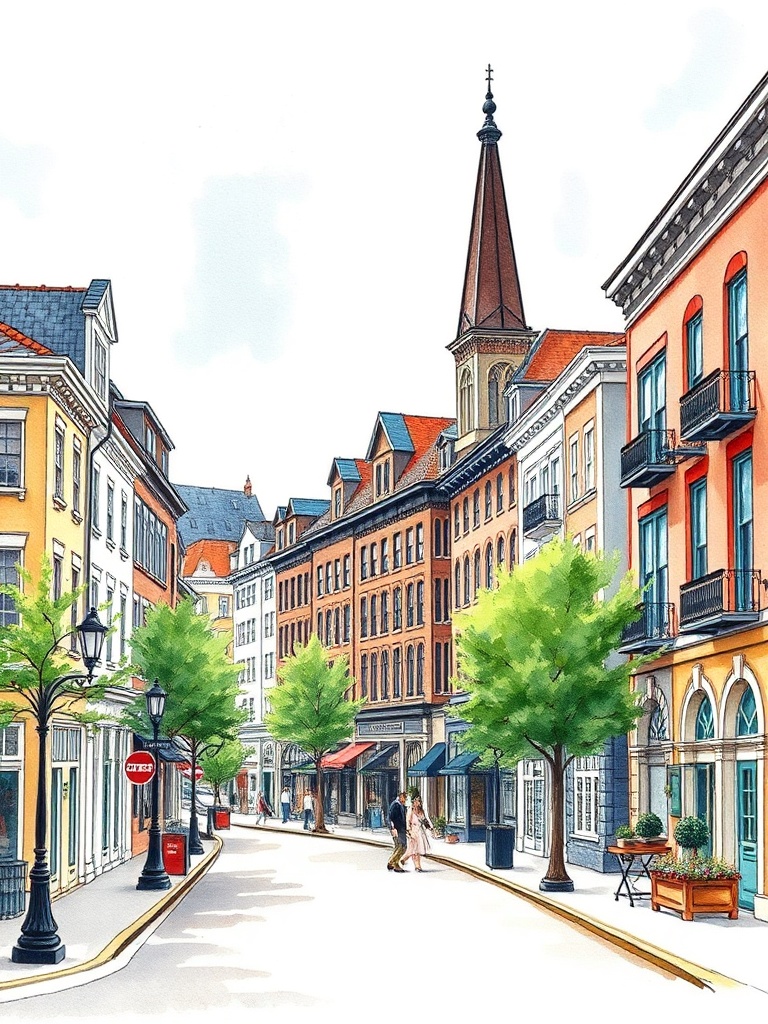
Georgetown remains one of the most vibrant and walkable neighborhoods in the capital, blending cobblestone streets, Federal-style rowhouses, and a lively commercial corridor. Whether you’re drawn to the C&O Canal towpath, the lively dining scene, or the leafy university campus, Georgetown offers a compact mix of history, culture, and modern leisure.
What to see and do
– Stroll the C&O Canal towpath: The shaded towpath offers an easy escape from city traffic. Walkers, joggers, and cyclists use the trail for a peaceful riverside outing that feels far removed from nearby urban bustle.
– Explore the waterfront: Georgetown Waterfront Park is a popular spot for relaxing, picnicking, and people-watching. Kayak rentals and paddleboard options let you experience the Potomac from the water.
– Shop M Street and Wisconsin Avenue: A blend of independent boutiques, national shops, and upscale retailers lines these two main arteries.
Look for specialty stores, artisanal goods, and hidden consignment shops.
– Visit Dumbarton Oaks: The museum and gardens are renowned for their intimate collections and beautifully maintained gardens—an ideal stop for art lovers and anyone seeking a tranquil landscape.
– See the Exorcist steps and Georgetown University: The steep stone staircase made famous by a classic film draws visitors alongside the collegiate Gothic charm of the university campus and its small museums and lecture series.
Dining and nightlife
Georgetown’s dining scene ranges from refined tasting menus to cozy cafes and classic bakeries. Brunch crowds often spill into side streets, while evening options include rooftop bars, cocktail-focused lounges, and restaurants showcasing locally sourced menus.
For a low-key night out, search out wine bars and gastropubs tucked into historic rowhouses.
Getting around and practical tips
Georgetown is highly walkable, and many visitors prefer to explore on foot.
Public transit connections link the neighborhood to the rest of the city—buses and dedicated circulator routes bridge the short distance to nearby Metro stations. Bike lanes and shared scooters are common, and several parking garages serve shoppers and diners, though street parking can be limited on busy weekends.
Preservation vs. development
A continuing conversation centers on preserving Georgetown’s historic character while accommodating modern needs. Community groups and local planners often debate new construction, waterfront development, and the best ways to support small businesses without eroding the neighborhood’s architectural identity. The result is a neighborhood that feels both timeless and actively managed.
Seasonal highlights and events
Georgetown offers year-round draws: flowering gardens in spring, warm waterfront evenings in summer, cozy culinary events in cooler months, and holiday displays that light up the neighborhood. Farmers’ markets and street festivals showcase local makers and provide opportunities to sample regional produce and crafts.
Why it matters
Georgetown’s compact scale, architectural richness, and mix of cultural institutions make it a perennial favorite for residents and visitors alike. It’s a neighborhood that rewards slow exploration—meandering alleys reveal art galleries and historical markers while main streets supply the conveniences of modern urban life.
Whether you’re planning a day trip, a leisurely weekend, or a regular routine, Georgetown consistently delivers a layered experience: historically textured streets, contemporary dining, scenic outdoor access, and a community actively shaping its future.
Leave a Reply