Georgetown remains one of the most captivating neighborhoods for visitors and locals who crave history, shopping, and waterfront vibes. The neighborhood blends cobblestone streets and Federal-style rowhouses with a lively dining scene and quiet green spaces, making it a versatile destination for a leisurely day or a packed weekend itinerary.
What to see and do
– Stroll the C&O Canal towpath for a calm, scenic walk away from traffic. The towpath offers photo-worthy views, charming bridges, and a peaceful contrast to busy commercial corridors.
– Explore M Street and Wisconsin Avenue for boutique shopping, artisanal goods, and unique finds.
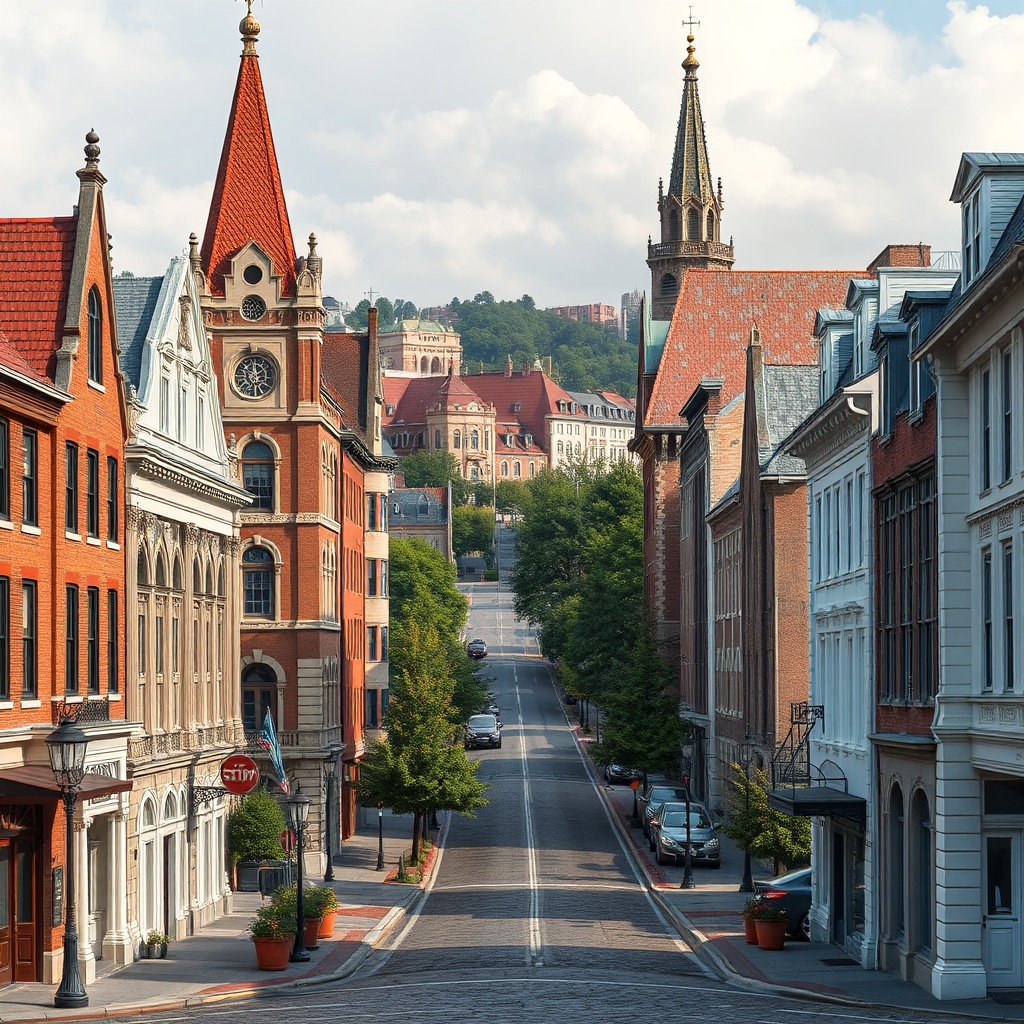
Independent shops sit side-by-side with well-known retailers, creating a shopping experience that rewards slow browsing.
– Visit Dumbarton Oaks for manicured gardens, intimate galleries, and seasonal plantings. It’s a perfect spot for garden lovers and photographers looking for classic landscape design and quiet paths.
– Spend late afternoon at Georgetown Waterfront Park. The riverfront promenade, benches, and seasonal food vendors create a relaxed setting for sunsets and skyline views. Paddleboarding and kayaking rentals make it easy to enjoy the Potomac from the water.
– Walk past Georgetown University’s historic campus to soak up collegiate energy and impressive architecture. Campus life spills into nearby cafés and bars, contributing to a vibrant student-friendly atmosphere.
Food and nightlife
Dining in Georgetown covers everything from elevated bistros and seafood restaurants to casual cafés and late-night student favorites. Brunch culture is strong, with outdoor seating common during mild weather. For nightlife, intimate cocktail bars and live music venues offer options that range from laid-back to lively — ideal for a post-dinner drink or weekend outing.
Practical tips
– Access: Georgetown has no direct subway stop. Public transit connections and shuttle services link the neighborhood with nearby Metro stations; buses and ride-share options are reliable alternatives. Walking from adjacent neighborhoods is often pleasant and efficient.
– Parking: Street parking is limited in popular areas.
Consider public garages or transit to avoid the hassle of hunting for a spot.
– Best times to visit: Weekday mornings are quieter for museums and shops. Evenings and weekends are livelier for dining and nightlife but expect more crowds.
– Respect local life: Georgetown balances tourism with long-term residential community life. Keep noise low in residential blocks and follow posted rules in green spaces and historic sites.
Preservation and change
Georgetown’s historic character is a major draw, and community groups remain active in protecting architectural integrity and neighborhood scale. At the same time, development pressures and evolving retail trends shape conversations about growth and modernization. The result is a neighborhood that often balances tradition with carefully considered updates to public spaces and amenities.
Plan your visit
Whether you’re mapping out a full-day itinerary or aiming for a relaxed afternoon, Georgetown rewards both curiosity and slow discovery. Pack comfortable shoes for cobblestones, plan transit if you want to avoid parking stress, and leave time for a coffee stop or riverside moment to take it all in.
Leave a Reply