Washington, D.C.’s waterfronts and low-lying neighborhoods are becoming models for urban climate resilience — blending engineering, ecology, and community action to protect people and heritage from more frequent flooding and extreme weather.
Why resilience matters here
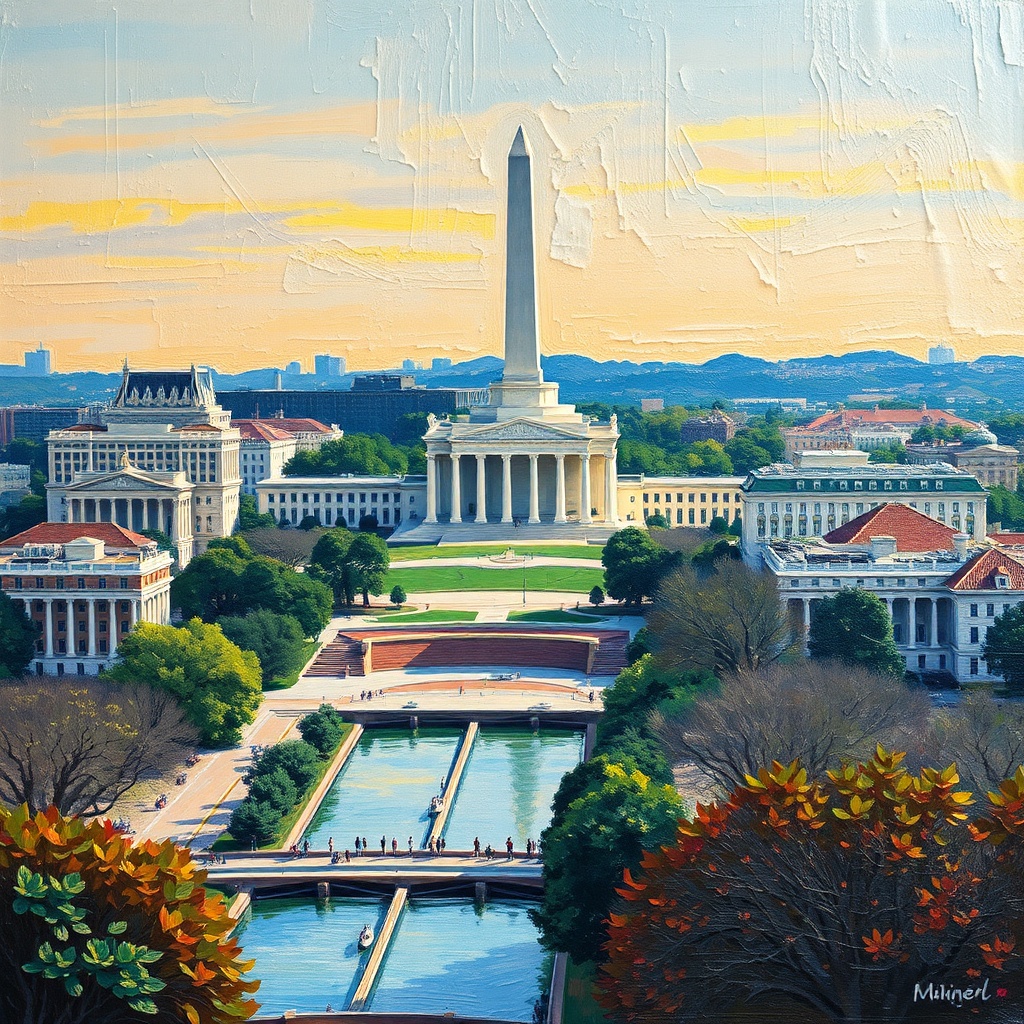
The District sits at the confluence of the Potomac and Anacostia rivers and includes tidal basins and low-lying corridors that are increasingly prone to high-tide and storm-driven flooding. Iconic federal landscapes, residential neighborhoods, transit hubs, and cultural sites all face rising risk. Addressing that risk requires solutions that work for both people and place: flood protection, stormwater management, ecosystem restoration, and equitable community planning.
Strategies shaping the city
– Green infrastructure: Rain gardens, bioswales, permeable pavements, and expanded tree canopy help slow and absorb stormwater at the source. These interventions reduce strain on sewer systems and create healthier streetscapes.
– Living shorelines: Where feasible, marsh restoration and engineered natural buffers replace hard seawalls. These shorelines absorb wave energy, support wildlife, and adapt better over time.
– Large-scale gray-green projects: Tide gates, flood walls, and enhanced pump systems are being integrated with natural solutions to protect critical infrastructure while minimizing ecological harm.
– Sewer and stormwater upgrades: Investments in capturing stormwater before it floods streets and rivers reduce combined sewer overflows and improve water quality in the Anacostia and Potomac.
– Land-use and zoning changes: Updating building codes, elevating critical systems, and steering new development away from the most vulnerable blocks are essential tools for long-term safety.
Neighborhoods and sites to watch
Areas along the Anacostia River, the Southwest Waterfront, portions of Georgetown, and the Tidal Basin are focal points for resilience work. Waterfront redevelopment projects are increasingly required to meet higher flood-protection and sustainability standards, and partnerships among municipal agencies, federal land managers, nonprofits, and community groups shape outcomes on the ground.
Community-centered resilience
Equity is central: historically underserved neighborhoods often face greater exposure to climate impacts and have fewer resources for recovery.
Community engagement — from public meetings and design workshops to volunteer cleanups and tree plantings — ensures local voices guide adaptation priorities. Programs that fund home-level improvements, like elevation of utilities, floodproofing, and rain barrels, help households manage risk directly.
What residents and visitors can do
– Stay informed about local flood alerts and neighborhood resilience plans.
– Support local advocacy for green investments and equitable funding.
– Reduce stormwater runoff at home with native plantings, rain barrels, and permeable surfaces.
– Volunteer for river cleanups and native-plant restorations along the Anacostia and Potomac.
– Attend community meetings to influence how public spaces and new developments address flood risk.
The opportunity ahead
Washington, D.C. has a unique combination of federal and local assets to pilot innovative resilience approaches.
When engineering, ecological restoration, and community leadership align, the city can protect its neighborhoods and treasured public spaces while enhancing biodiversity, recreational access, and long-term livability. The work requires sustained attention and collaboration, but small actions by residents and smart policy choices by leaders will shape a safer, greener capital for everyone.
Leave a Reply