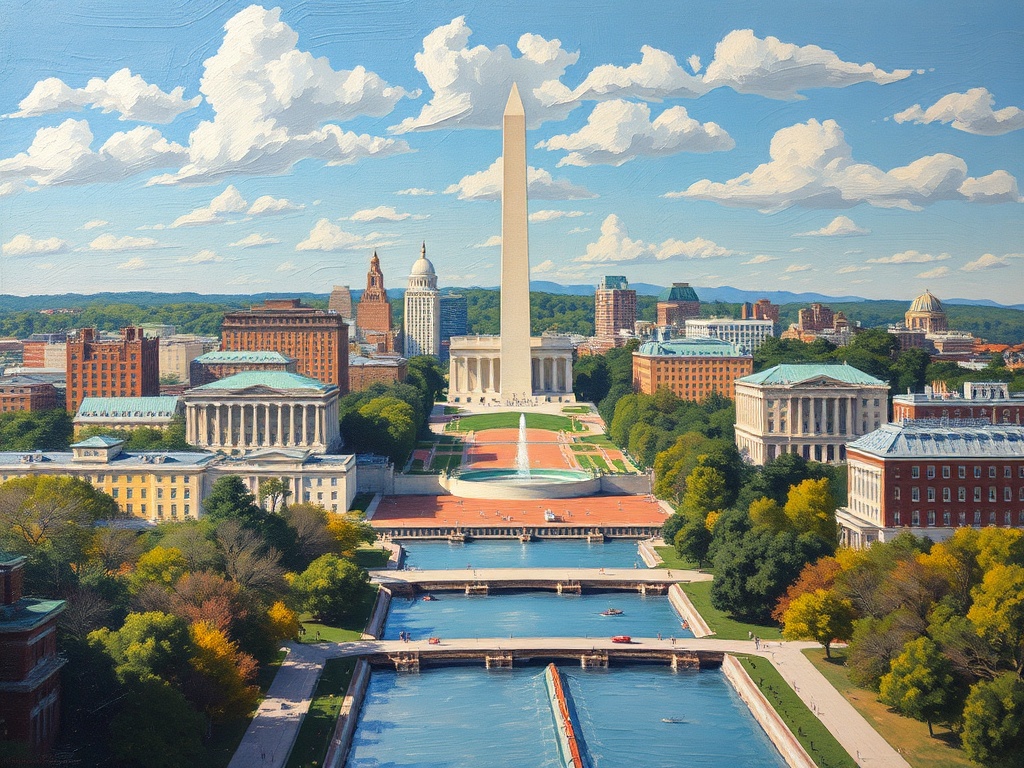
Washington DC offers far more than the iconic monuments along the National Mall. For visitors and residents who want a fuller experience, exploring neighborhoods, green spaces, and evolving cultural corridors reveals a vibrant, walkable city with diverse food, music, and outdoor options.
Start with neighborhood strolls
– Georgetown: Historic rowhouses, waterfront paths, and boutique shopping make Georgetown ideal for a scenic walk. Don’t miss the C&O Canal towpath for a quieter riverside route.
– U Street and Shaw: Known for live music and nightlife, these areas also boast a rich African American history.
Jazz clubs, late-night restaurants, and a strong Ethiopian dining scene create lively evening options.
– Navy Yard and The Wharf: The revitalized riverfront features marina views, outdoor concerts, seasonal markets, and seafood-focused restaurants. It’s a good base for paddleboarding or a sunset stroll along the water.
– H Street NE and Adams Morgan: Known for eclectic dining, street art, and casual bar scenes, these corridors are great for trying small, independent eateries and experiencing local nightlife.
Museums and culture
Smithsonian museums remain a cornerstone of the city’s cultural offering and are free to enter, making them perfect for spontaneous visits.
Popular draws include museums of natural history, American art, and aviation. Specialty institutions—such as the National Museum of African American history and culture and privately run museums like the International Spy Museum—offer deep, curated experiences; some require timed entry, so check ahead and reserve tickets where available. Don’t overlook smaller museums and galleries in neighborhoods like Dupont Circle and Capitol Hill for more intimate art and history encounters.
Parks, rivers, and outdoor activities
Rock Creek Park provides miles of trails for hiking and mountain biking within the city limits, while the Anacostia Riverwalk and Kenilworth Aquatic Gardens offer birdwatching and peaceful water views. Capital Bikeshare and shared scooters make hopping between parks and neighborhoods easy for short trips. For a different perspective, consider a Potomac river cruise or kayaking near the waterfront.
Food and drink
DC’s dining scene blends fine dining and neighborhood staples.
Look for chef-driven restaurants and casual counters offering everything from regional American dishes to global flavors—especially strong local representations of Ethiopian, Vietnamese, and contemporary American cuisines.
Neighborhood markets and food halls are handy for sampling multiple vendors in one stop.
Getting around
The Metro rail and bus system connects major attractions, though off-peak travel may be faster with rideshares or bike-sharing. A reloadable transit card streamlines rail and bus access; many visitors find combining walking, biking, and short rideshares is the most efficient way to explore multiple neighborhoods in a day. Wear comfortable shoes—much of DC is best seen on foot.
Practical tips
– Museums and memorials can have security screening—plan extra time.
– Popular sites see large crowds midday; early morning or later afternoon visits offer quieter experiences and better light for photos.
– Weather can change quickly; pack a light rain layer and stay hydrated during outdoor walks.
– Keep an eye on event calendars—concerts, festivals, and temporary exhibitions can transform neighborhood atmospheres and require advance planning.
Whether you’re on a weekend city break or exploring more slowly, Washington DC rewards curious visitors who go beyond the obvious landmarks. From riverside promenades to late-night jazz and world-class museums, the city’s mix of history, culture, and evolving neighborhoods offers something new with every visit.
Leave a Reply