Georgetown remains one of the most magnetic neighborhoods in the capital, blending centuries-old charm with lively dining, boutique shopping, and scenic waterfront access.
Whether you’re a local exploring close to home or a visitor planning a day out, Georgetown offers a compact, walkable experience that rewards curiosity.
Historic heart and green spaces
Start with the cobblestone streets and brick rowhouses that define Georgetown’s historic fabric. Must-see sites include the Old Stone House, one of the neighborhood’s most photographed landmarks, and the storied estates and gardens at Dumbarton Oaks and Tudor Place. The Chesapeake & Ohio Canal towpath runs parallel to the neighborhood and provides a peaceful riverside walk or bike route that feels a world away from nearby urban bustle.
Shopping and dining
M Street and Wisconsin Avenue form the commercial spine, where national brands sit alongside independent boutiques and specialty stores. Book Hill and the side streets around the canal offer more curated shopping — homewares, fashion, artisan goods and galleries.
Food options range from classic neighborhood eateries and longstanding taverns to inventive new restaurants and intimate wine bars. For live music, an intimate jazz club tucked into the neighborhood is a longtime favorite for late-night sets and local talent.
Waterfront and recreation
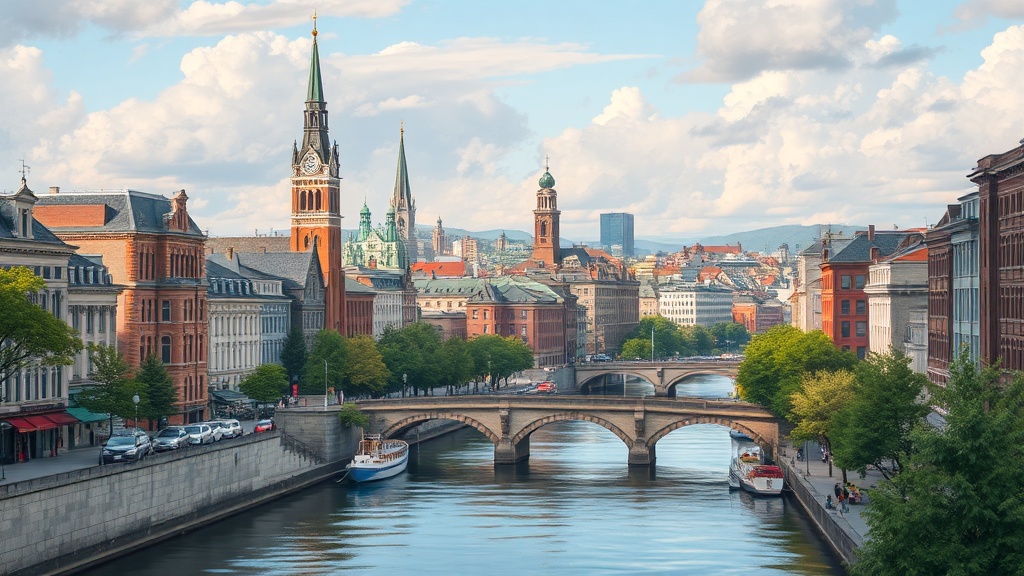
The Georgetown Waterfront Park is a focal point for outdoor activity with riverfront seating, public art, and lawn space that fills with picnickers and runners.
Water taxis and seasonal boat services connect the waterfront with other riverfront neighborhoods, providing a scenic alternative to land travel. Kayak and paddleboard rentals are available nearby for a closer-to-water perspective on the Potomac.
Culture and campus life
Georgetown University’s campus adds youth and cultural programming to the area, with public lectures, exhibitions, and athletic events that spill into neighborhood life. Museums, independent bookstores and galleries contribute to a steady flow of cultural activity, making Georgetown a neighborhood that supports both tradition and creative energy.
Real estate and preservation
A defining feature of Georgetown is its preservation landscape: strict historic district regulations protect architectural character, which keeps the streetscape consistent but can limit new construction. That preservation, along with strong demand, keeps property values and rental rates elevated. For prospective homebuyers or renters, working with local agents who know neighborhood restrictions and micro-markets is essential.
Visitor tips
– Walk as much as possible; the best finds are often on side streets.
– Parking can be scarce — use public transit options, the local circulator buses, or rideshare services.
– Make reservations for popular restaurants and weekend brunches to avoid long waits.
– Bring comfortable shoes for cobblestones and slopes — Georgetown was built before modern accessibility standards, so some areas can be uneven.
– Check event calendars for seasonal markets, outdoor concerts and neighborhood festivals that bring extra life to the streets and waterfront.
Georgetown’s enduring appeal comes from the way it balances preserved history with contemporary living. Those who visit or settle here will find a neighborhood that encourages slow discovery: linger at a cafe, explore a hidden courtyard, and let the riverfront views frame the day.
Leave a Reply