The White House stands as more than a residence; it’s a working executive office, a museum of American history, and a global symbol of national leadership. Centuries of presidential decisions, state visits, and public ceremonies have unfolded within its rooms, giving the building cultural resonance that extends well beyond politics.
Architecture and layout
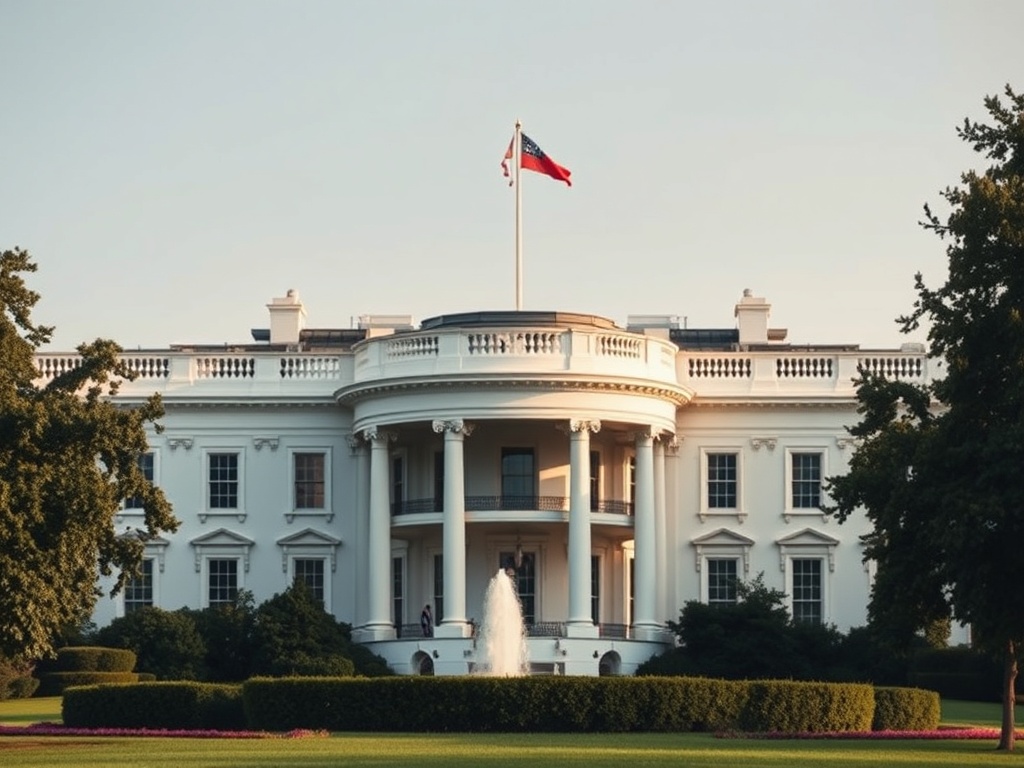
Designed in a neoclassical style, the White House complex blends formal symmetry with functional wings. The Executive Residence contains the state rooms where official ceremonies and receptions occur, while the West Wing houses the Oval Office and senior staff offices.
The East Wing supports social and administrative functions and includes the office of the First Lady. Nearby, the historic office building adjacent to the complex provides additional workspace for administration functions and senior advisors.
Public access and visitor experience
Public tours remain one of the most sought-after ways to experience the White House interior.
Access is managed with security and logistics in mind: most tours require advance requests through members of Congress or diplomatic channels for international visitors, and go through federal screening. The White House Visitor Center and the White House Historical Association provide coordinated exhibits and interpretive materials for visitors who cannot tour the residence itself.
Major public events tied to the White House calendar draw widespread attention.
Formal state dinners, cultural receptions, and seasonal celebrations — including the well-known egg roll and holiday decorations on the South Lawn — showcase tradition, hospitality, and the use of public space for civic engagement.
Modern operations and daily life
Behind the ceremonial façades is a complex daily operation.
A dedicated staff manages everything from security and communications to culinary services and groundskeeping.
The Executive Chef and the culinary team prepare state meals that adhere to meticulous protocol, while preservation specialists and curators care for historic furnishings and artwork used in state rooms.
Security and technology
Security is a constant presence. Screening, perimeter protections, and coordinated efforts among federal agencies ensure the safety of the occupants while balancing public access. At the same time, technology plays a growing role in outreach: virtual tours, livestreamed events, and expanded digital archives make the White House’s history and activities more accessible to a global audience.
Preservation and sustainability
Preserving the historic fabric of the building while adapting to modern needs is an ongoing effort. Conservation projects maintain period rooms and original architectural elements, and initiatives to improve energy efficiency and sustainability are increasingly integrated into renovations. These efforts aim to protect the White House as a living museum that also meets contemporary operational standards.
How to engage
For those planning a physical visit, checking official visitor channels and associated historical organizations is essential before making arrangements.
Virtual resources — including online tours, curated photo collections, and educational materials — offer alternative ways to explore the building’s rooms and stories. Museums, historical associations, and public programs often provide deeper dives into specific aspects such as presidential portraiture, ceremonial protocol, or landscape design.
The White House continues to function as a center of governance and a public-facing institution. Whether experienced in person or online, its rooms and grounds remain a powerful backdrop for national rituals, diplomatic exchanges, and the everyday workings of leadership.
Leave a Reply