Georgetown: A timeless neighborhood where history, shopping, and riverside life meet
Georgetown stands out as a compact urban neighborhood that blends historic charm with vibrant city living. Stretching along the Potomac River, it offers a mix of cobblestone streets, ivy-covered university buildings, high-end boutiques, and a lively waterfront—making it one of the most visited and photographed areas in the city.
What to see and do
– Stroll the C&O Canal towpath: The canal’s towpath offers a peaceful escape from busy streets.
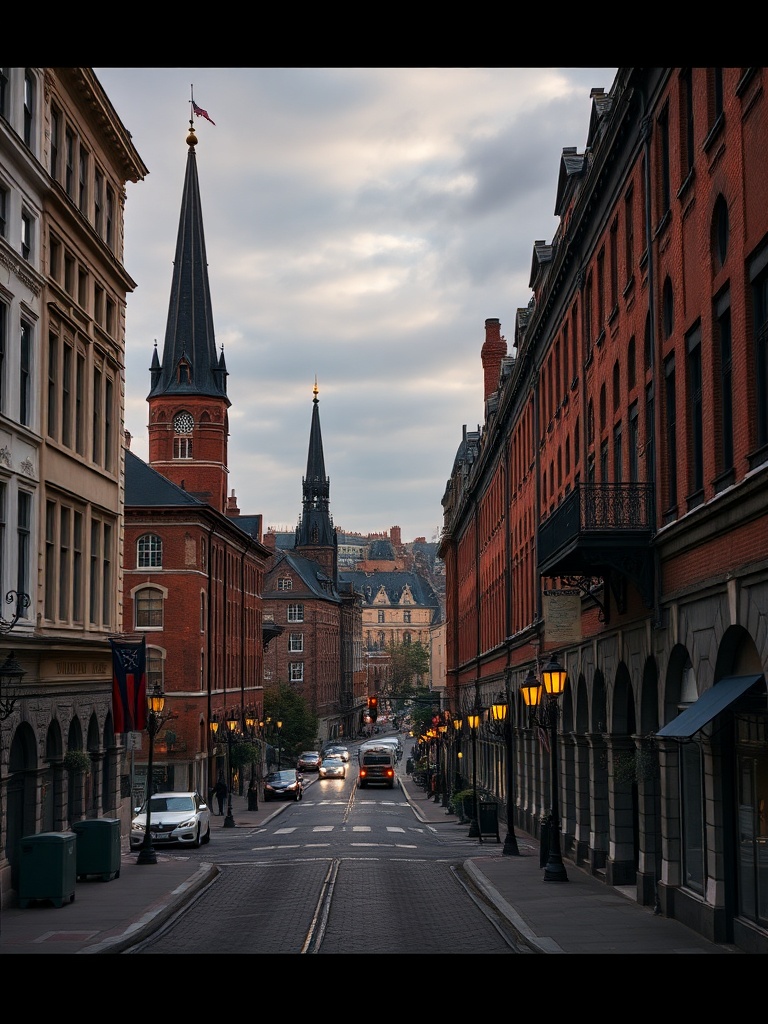
Walkers, runners, and cyclists use the flat, shaded route to reach quieter residential pockets and scenic views of the water.
– Explore M Street and Wisconsin Avenue: These two commercial corridors are lined with flagship retailers, independent boutiques, and specialty shops. It’s a go-to for fashion, home goods, and curated finds.
– Visit the university campus: The university’s historic quad and landmark buildings draw visitors for architecture and seasonal events. Public art, historic markers, and academic energy add to the neighborhood’s cultural fabric.
– Discover gardens and museums: Intimate museums and private gardens open to the public provide quiet, reflective spaces. These spots are ideal for art lovers and anyone seeking a tranquil afternoon.
– Enjoy the waterfront: Waterfront Park and adjacent promenades are popular for dining, people-watching, and launching small boats or kayaks. Several restaurants line the river, offering indoor and outdoor seating with scenic views.
– Find hidden history: Small historical sites and well-preserved rowhouses offer a walk through layered stories—residential facades, former industrial buildings, and colonial-era landmarks are tucked between modern retail fronts.
Dining, nightlife, and local flavors
Georgetown’s food scene ranges from chef-driven tasting menus to casual cafés and iconic bakeries.
Brunch is a weekend ritual here, while evening options include intimate cocktail bars, wine rooms, and lively spots for craft cocktails and live music. Farmers markets and specialty grocers highlight seasonal, local ingredients for those cooking at home.
Real estate and neighborhood character
Historic rowhouses, mansion-style properties, and converted warehouses reflect a variety of residential styles.
Many properties maintain original architectural details—brick facades, wrought-iron fences, and narrow gabled roofs—so preservation is central to neighborhood planning. Demand for homes in this compact district remains strong, with a premium on walkability, historic character, and proximity to green space.
Transportation and practical tips
Georgetown lacks its own Metro station, so most visitors arrive by bus, circulator services, rideshare, or a short walk from nearby transit hubs. Parking can be limited; expect metered curbside and regulated residential spaces. Comfortable shoes make all the difference—cobblestones and hills are part of the charm. For calmer experiences, visit early on weekdays or explore quieter side streets and parks.
Community and planning
Residents and local groups actively shape development priorities, balancing new construction and local business growth with long-term preservation of the neighborhood’s feel.
Public realm improvements—expanded sidewalks, green spaces, and enhanced pedestrian safety—continue to be high priorities. Resilience and waterfront management are also focal points as the community adapts to changing environmental conditions.
Whether you’re stopping in for a few hours or planning a longer stay, Georgetown rewards slow exploration. From tucked-away courtyards to lively shopping streets and river views, the neighborhood preserves a distinct urban character while evolving thoughtfully with the needs of residents and visitors.
Leave a Reply