Georgetown: A neighborhood where historic charm meets vibrant city life
Georgetown is one of the most photographed and visited neighborhoods in the nation’s capital, known for its cobblestone streets, brick rowhouses, and lively waterfront. It blends historic preservation with modern amenities, making it a favorite for visitors, students, and longtime residents alike.
Why visit Georgetown
Georgetown offers a compact, walkable experience where architecture, culture, and dining sit side by side. The neighborhood’s historic core preserves 18th- and 19th-century buildings, while the waterfront and main commercial corridors hum with shops, restaurants, and nightlife. Proximity to the university campus brings a year-round energy, with arts programming, lectures, and sports events that spill into the neighborhood.
Top things to see and do
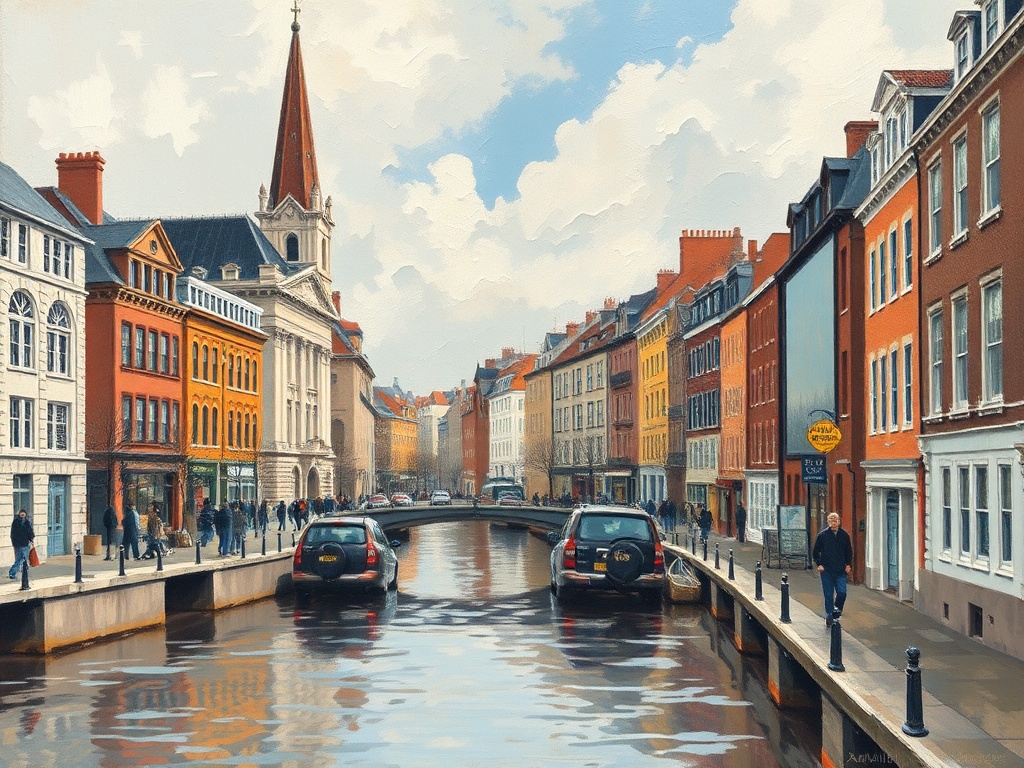
– Stroll the C&O Canal towpath for a peaceful escape from city bustle; it’s ideal for a leisurely walk, run, or bike ride.
– Walk along the Georgetown Waterfront Park to enjoy river views, public seating, and often lively weekend activity.
– Explore the university campus, admired for its Gothic architecture, historic halls, and public events.
– Take the iconic “Exorcist steps” for a quick pop-culture photo moment and a view of characterful rowhomes.
– Window-shop (or splurge) along M Street and Wisconsin Avenue, where independent boutiques sit alongside national retailers.
Where to eat and drink
Georgetown’s culinary scene spans casual bakeries and high-end seafood on the waterfront.
Classic taverns share blocks with Michelin-grade dining and neighborhood coffee shops. Cupcake shops, artisan bakeries, and late-night diners keep a steady flow of students and visitors fed.
For a relaxed evening, waterfront spots and rooftop bars deliver sunset views over the Potomac.
Shopping and local culture
Georgetown balances luxury retail and niche local boutiques. Antique shops, vintage stores, and independent home-goods retailers offer unique finds. The neighborhood hosts regular markets and pop-up events that highlight local makers, artists, and food vendors.
Galleries and small theaters add cultural depth beyond shopping and dining.
Practical tips for visitors
– Parking is limited and enforced; car-free options like bike-share, rideshare, or local circulator buses often make for easier visits.
– Georgetown is very walkable but includes some steep and uneven cobblestone blocks—bring comfortable shoes.
– Weekday mornings and evenings can feel quieter than weekend afternoons, when dining and waterfront activity peak.
– Check local listings for university events and public talks—many are open to visitors and add cultural interest.
Real estate and lifestyle
Residential Georgetown is defined by historic rowhouses, townhouse conversions, and a mix of longtime residents and student renters. Strict preservation and zoning rules maintain the neighborhood’s low-rise character, which helps preserve its historic streetscapes and leafy pockets.
What keeps Georgetown appealing
The neighborhood’s enduring appeal comes from the way history, riverfront access, and a compact commercial district combine to create a distinct urban village. Whether you’re a first-time visitor or someone exploring for the umpteenth time, Georgetown continues to offer a blend of cultural attractions, dining, and scenic streets that reward slow exploration and discovery.
Leave a Reply