Georgetown remains one of the most magnetic neighborhoods in Washington, known for a potent mix of historic charm, lively retail corridors, riverside leisure, and an influential university presence. Whether visiting for a weekend stroll or scouting neighborhoods, Georgetown offers a distinctive urban experience where preservation and modern life intersect.
A stroll through Georgetown means cobblestone alleys, Federal-style rowhouses, and the calm towpath of the Chesapeake & Ohio Canal. The canal and its towpath provide a green spine for walkers, joggers, and cyclists, and anchor a series of parks and quiet corners along the Potomac.
Nearby, the Georgetown Waterfront provides a different pace—with promenades, riverside dining, and scenic views that make it a favorite for sunsets, paddleboarding, and outdoor dining.
M Street and Wisconsin Avenue form the neighborhood’s commercial core. Here, boutique retail sits alongside national brands, and an eclectic mix of independent shops, galleries, and specialty stores tempt window shoppers. The dining scene ranges from refined farm-to-table restaurants to casual cafes and late-night bars—reflecting a culinary landscape that balances neighborhood favorites with evolving trends. Weekend markets and seasonal pop-ups add fresh local flavor and are worth timing your visit around.
Cultural offerings are anchored by institutions tucked into the neighborhood’s leafy blocks. Historic gardens and museums provide quiet, contemplative visits—ideal for anyone seeking art, architecture, or horticulture. The presence of a major university also keeps the calendar lively: public lectures, performances, and sporting events bring energy and variety to the area, and college-affiliated cultural programming is often accessible to neighborhood visitors.
Transportation in and around Georgetown has a distinctive character.
Unlike other sections of the city, subway access is limited, which has shaped local traffic patterns and fueled demand for buses, bike-share, and pedestrian-friendly improvements. Parking can be tight, so using public transit, a bike, or a ride-hailing app makes exploring easier. Recent community and municipal efforts continue to emphasize safer sidewalks, improved bike lanes, and better connectivity between the waterfront and the neighborhood interior.
Real estate and urban development are frequent topics of local conversation. A strong preservation ethic protects the historic fabric, while pockets of adaptive reuse convert warehouses and older buildings into modern offices, condos, and retail spaces. This tension between conservation and new development keeps neighborhood planning lively—balancing the desire to retain character with the need for contemporary amenities and housing options.
For visitors seeking a curated experience, a few simple strategies make a Georgetown visit rich and relaxed: start with the waterfront for views and people-watching, wander the side streets to find hidden architectural delights and independent shops, and leave time for a garden or museum visit. Early mornings and weekday afternoons reveal a quieter side, while evenings bring a more animated dining and nightlife scene.
Georgetown’s lasting appeal comes from that blend of history and contemporary life—an urban village that manages to feel intimate while offering a full spectrum of cultural and recreational opportunities.
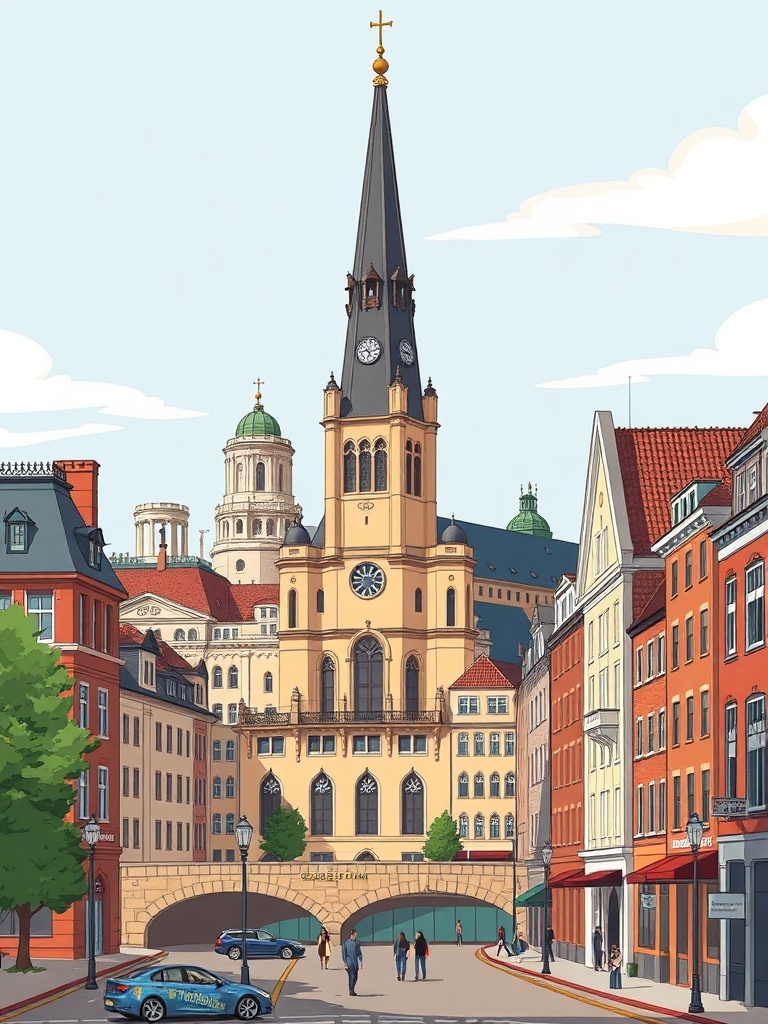
Whether drawn by architecture, academia, shopping, or the river, the neighborhood rewards explorers who look beyond the main drag and take the time to discover its layered character.
Leave a Reply