Overview
The Washington Nationals are navigating a period defined by youth development, smart roster construction, and renewed fan engagement.
After cycles of big-name departures and roster turnover, the organization’s focus on homegrown talent, complementary veteran signings, and analytics-driven decision-making aims to build a sustainable contender. For fans and observers, that makes every lineup decision, pitching development success, and prospect promotion worth watching.
What the front office is prioritizing
– Player development pipeline: The organization is leaning into its minor-league system to produce position players and pitchers who can contribute at the big-league level. Emphasis on pitchability, defensive versatility, and on-base skills reflects a modern approach to building a balanced roster.
– Pitching depth: Consistent, controllable starting pitching and a reliable bullpen are central goals. Investment in pitching coaches, recovery tech, and data-driven workload management seeks to reduce injury risk and maintain late-inning effectiveness.
– Cost-efficient construction: Rather than chasing marquee free agents exclusively, the team mixes affordable veteran deals with internal promotions to maximize roster value while keeping payroll flexibility.
Players and roles to monitor
– Young position players who earn everyday roles will shape the lineup’s long-term identity.
Versatility across the infield and outfield gives a manager options for matchups and defensive alignment.
– Pitchers transitioning from the high minors to the majors are the most impactful short-term variables. Watch command trends, secondary pitch development, and innings limits that signal readiness to take on larger workloads.
– The bullpen’s balance of high-leverage arms and swingmen who can eat innings matters for late-game strategy.
A shift toward multi-inning relievers and matchup-based deployments is likely.
Keys to the club’s success
1. Health and innings: Keeping starting pitchers healthy and limiting overexposure of young arms will determine whether the rotation can stabilize.
2. On-base and plate discipline: Lineups that draw walks and limit chasing help create consistent run generation without relying solely on home runs.
3. Defensive reliability: Turning batted balls into outs with strong infield and outfield defense complements pitching and reduces pressure on the bullpen.
4. Strategic trades: Smart midseason moves that target specific roster needs (e.g., left-handed relief, a veteran middle infielder) can accelerate a competitive window.
Nationals Park experience
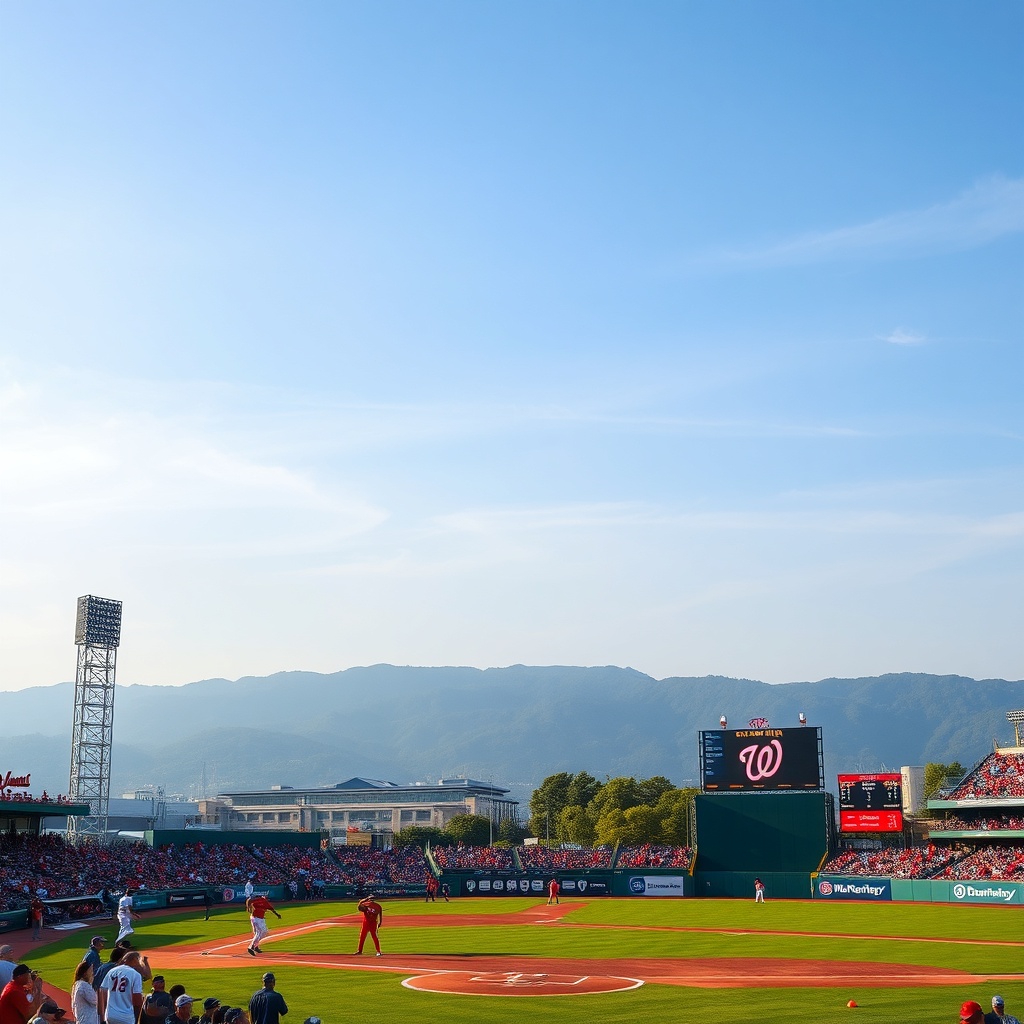
The ballpark remains a central draw for Washington-area fans. From easy Metro access to neighborhood dining options, a game at the stadium pairs baseball with local flavor. Seasonal promotions, theme nights, and improved concession choices enhance the fan experience. For visitors: arrive early to explore concourse views, try a local craft beer offering, and pick a seat that suits your interest—behind the dugout for player access or the upper deck for a budget-friendly, panoramic view.
What fans should watch next
– Roster moves: Promotions from Triple-A, waiver pickups, and minor trades often reveal the front office’s short-term priorities.
– Pitching workloads: How the team manages innings and recovery for young starters indicates long-term planning.
– Offensive approach: Adjustments in plate discipline and situational hitting routines reveal coaching impact.
Why it matters
A team that successfully develops prospects while supplementing with targeted veterans can build sustained competitiveness. For fans, that means more meaningful games, deeper playoff possibilities, and a stronger connection between minor-league success and big-league excitement.
Keep an eye on lineup chemistry, pitching health, and how the organization balances immediate results with future upside—those signals will define the Nationals’ trajectory for seasons ahead.
Leave a Reply