Georgetown remains one of the most visited and talked-about neighborhoods in Washington, D.C., blending historic charm with modern urban life.
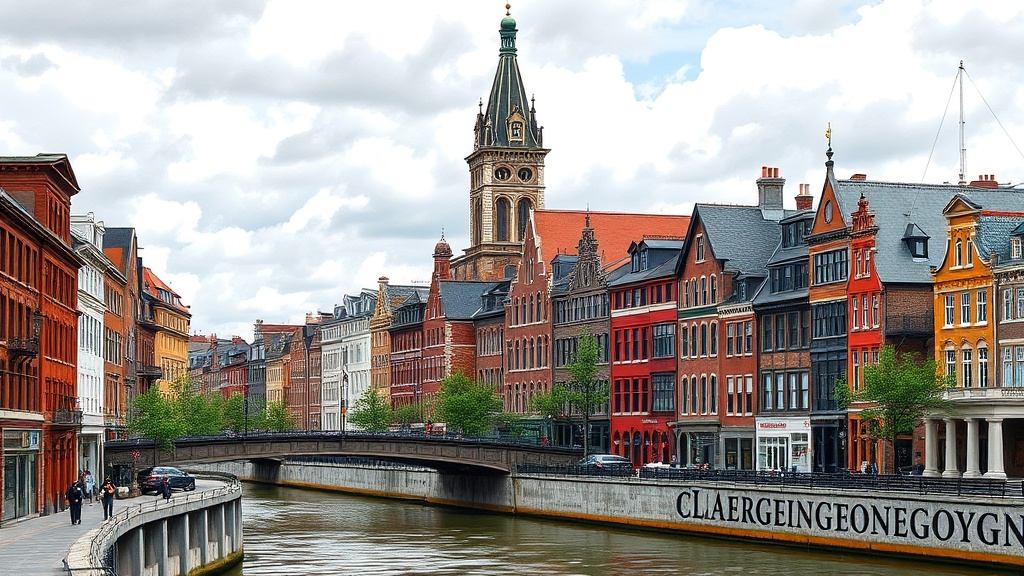
From the cobblestone streets and Federal-style rowhouses to the bustling corridors of M Street and Wisconsin Avenue, this pocket of the city offers a compact mix of culture, commerce, and waterfront green space that attracts residents and visitors alike.
Historic character and preservation
A defining feature of Georgetown is its well-preserved architecture and sense of place. Narrow alleys, brick facades, and wrought-iron details line streets that predate much of the surrounding capital. Local preservation efforts and strict design reviews keep new development in scale with historic buildings, which helps retain the neighborhood’s distinctive identity. For anyone interested in architecture or urban history, a walking route that includes the C&O Canal, the Old Stone House, and the residential rows provides a concentrated survey of early American urban design.
Waterfront life and outdoor recreation
The Georgetown waterfront offers one of the city’s most appealing outdoor amenities. Waterfront Park provides open lawns, benches, and views across the Potomac, while the C&O Canal towpath offers miles of flat, scenic space for walking, jogging, and biking. Water-based options—such as kayak and paddleboard rentals and water taxi services—make it easy to see the capital from a different perspective. The neighborhood’s commitment to public green space and riverfront access continues to be a central feature of its appeal.
Shopping, dining, and nightlife
M Street and Wisconsin Avenue are the commercial arteries where boutique shops, national retailers, and an evolving restaurant scene converge.
From long-established eateries and upscale bistros to cozy cafes and international cuisine, Georgetown’s food options cater to a wide range of tastes. Retail has shifted over time, with small, independently owned stores sharing space alongside flagship brand locations.
Evening life includes intimate cocktail bars, live music venues, and quiet spots for people-watching along historic sidewalks.
Transportation and walkability
One of Georgetown’s strengths is its walkable layout.
Streets are compact and pedestrian-friendly, with a range of services and shops within easy reach.
Notable for visitors is that the neighborhood does not have a dedicated Metrorail stop, which means many people use nearby Metro stations, buses, bike-share systems, or rideshares to connect. The lack of rail service has encouraged strong local transit options and a lively street life, but also fuels ongoing conversations about connectivity and transportation planning.
Community and contemporary challenges
Georgetown’s popularity brings both benefits and pressures.
High demand for housing and retail space drives a premium market, while neighborhood groups remain active in city conversations about development, affordability, and preservation. Sustainability efforts, such as green infrastructure and tree-lined streets, are part of broader initiatives to make the neighborhood resilient against stormwater and heat concerns.
At the same time, locals and businesses collaborate on festivals, farmers markets, and cultural events that keep the community vibrant.
Why visit or live in Georgetown
For people seeking a compact urban neighborhood with strong historic roots, easy access to green spaces, and a varied dining and shopping scene, Georgetown remains a top choice. Its unique combination of past and present—where antique storefronts sit alongside contemporary civic improvements—creates an experience that’s distinctly Washingtonian yet accessible at a neighborhood scale. Whether exploring the canal towpath at dawn, browsing boutiques along M Street, or dining by the river at dusk, Georgetown offers a layered urban experience that continues to draw interest and admiration.
Leave a Reply