How to Visit the White House: Tours, Security, and What to Expect
A visit to the White House remains one of the most memorable civic experiences for both residents and international travelers. Whether you want to take a tour of public rooms, attend a public event, or follow daily press briefings, planning ahead will make the experience smooth and enjoyable.
Booking a Tour
Public tours are free but require advance planning. U.S.
residents typically request tours through their member of Congress; international visitors usually work through their embassy. The White House website also offers guidance and an online contact form for inquiries. Expect high demand and limited spots, so submit requests as early as your schedule allows.
Virtual options have become a significant complement to in-person visits. The official site and social channels offer virtual tours and curated multimedia that bring the West Wing, State Rooms, and historic moments to life for those who can’t travel.
Security and Entry Requirements
Security is strict and non-negotiable. Visitors must present government-issued photo identification and pass through screening similar to airport security. Prohibited items commonly include large bags, backpacks, weapons, drones, and certain sharp objects; policies can change, so check official guidance before you arrive.
Dress with discretion—political messaging or offensive attire may be restricted. Children are welcome but must be accompanied by an adult. Accessibility accommodations are available; contact your congressional office or the White House visitor office in advance to arrange special assistance.
What You’ll See and Experience
Public tours typically include parts of the State Floor and East Wing, where historic rooms and official reception spaces are on display.
Interpretive materials and knowledgeable staff help contextualize architectural details, art, and the history of the building’s use in public life. Photography rules vary by area—ask staff on arrival to avoid misunderstandings.
For those interested in the White House as a working institution, press briefings and public statements provide insight into daily operations. The press secretary’s briefings are often streamed live and archived online, making it easy to follow key announcements and exchanges between the administration and the media.
Special Events and Garden Access
Seasonal and public events—ranging from garden tours to cultural programs—are announced periodically and frequently require separate registration. Some events are ticketed or limited to invitees, while others offer public access on a first-come basis. If you hope to attend a special program, monitor official channels and the websites of partner organizations for application details.
Practical Tips for a Smooth Visit
– Confirm entry requirements with your congressional office or embassy before arranging travel.
– Bring only essentials and a valid photo ID; leave prohibited items at your hotel.
– Arrive early; security lines can be long and unpredictable.
– Respect signage and staff instructions—certain areas are closed to the public for security or official business.
– Take advantage of virtual resources if your in-person request is not granted.
Staying Informed
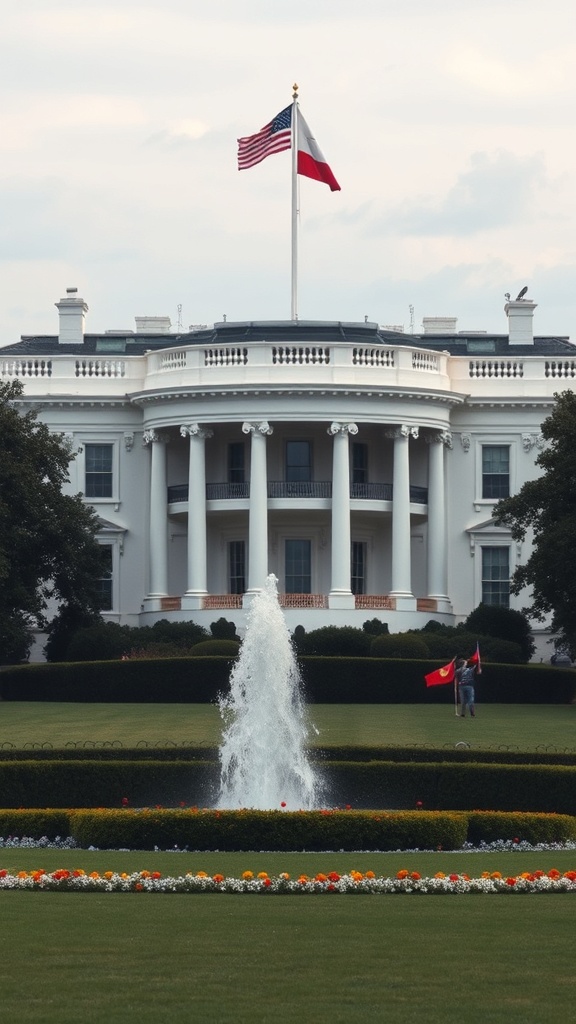
Policies, tour availability, and event schedules can shift.
For the most reliable information, consult official White House communication channels and your congressional office. Planning, patience, and preparation will help ensure a memorable and meaningful visit to one of the nation’s most recognizable sites.
Leave a Reply