Discover Washington, D.C.: A local’s guide to culture, food, and outdoor life
Washington, D.C. blends iconic monuments and world-class museums with lively neighborhoods, evolving waterfronts, and a dynamic food scene. Whether visiting for the first time or rediscovering the city, there’s a balance of must-see attractions and off-the-beaten-path experiences that reward curiosity and planning.
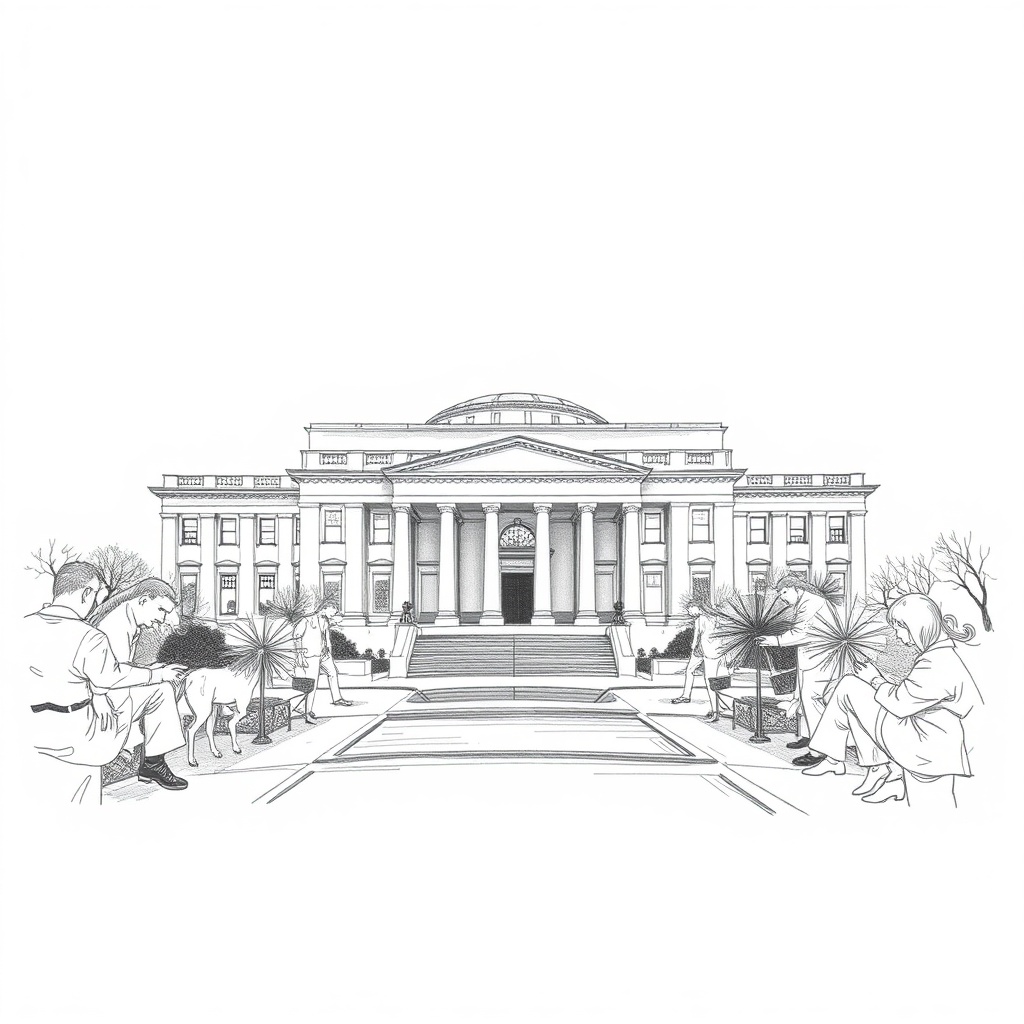
Culture without a ticket price
Many of the capital’s flagship museums offer free admission, making it easy to build a flexible itinerary. The Smithsonian group alone spans art, history, science, and culture. For performing arts, major venues host a mix of large-scale productions and intimate performances; advanced reservations are recommended for popular shows. Don’t overlook smaller institutions and galleries in neighborhoods such as Shaw and Penn Quarter — they often feature emerging artists and experimental programs.
Neighborhoods that define D.C.
Each neighborhood in D.C. has a distinct personality. Georgetown blends historic architecture with boutique shopping and waterfront walks.
U Street is the city’s live-music corridor, rich in jazz heritage and late-night eateries. Adams Morgan offers international dining and nightlife, while Capitol Hill mixes charming rowhouses with a bustling market scene.
Waterfront developments like the Wharf and Yards Park provide dining, concerts, and scenic riverfront strolls that feel both urban and relaxed.
Eat like a local
The dining scene ranges from world-class tasting menus to food stalls and longstanding family-run spots.
Brunch culture is strong, as are chef-driven neighborhoods where seasonal menus highlight local farms and regional seafood. Food halls and markets—particularly neighborhood markets and weekend farmers markets—make sampling a variety of cuisines easy and affordable.
Getting around
D.C.
is walkable, but a combination of transit options makes exploring faster. The rapid transit system connects major neighborhoods and attractions; contactless payment options and reloadable fare cards simplify travel. Bike-share programs and expanded protected bike lanes encourage two-wheeled exploration, while dockless scooters add short-trip flexibility. Rideshares and local taxis fill in gaps late at night or for destinations with limited transit access.
Green space and outdoor activities
Beyond the well-known Mall, the city’s parks and river paths are worth prioritizing. Rock Creek Park offers trails for hiking and biking inside city limits. The Anacostia and Potomac riverfronts feature connected trail networks ideal for running, cycling, and casual walks. Seasonal blooms and festivals bring public gardens and parks to life—plan outdoor outings during milder weather for the best experience.
Practical tips for a smooth visit
– Book popular attractions and dining reservations ahead, especially for prime time slots.
– Check hours before you go; schedules vary by season and day of week.
– Carry a small umbrella and comfortable shoes—much of D.C. is best enjoyed on foot.
– Stay aware of major events or public demonstrations that can affect transit and pedestrian flow.
– Take advantage of free or low-cost walking tours for neighborhood history and local recommendations.
Why return again
D.C.
continually refreshes its cultural calendar, dining options, and public spaces, so every visit can uncover something new. Whether your interests are museums, music, food, outdoor recreation, or architecture, the city provides a compact, engaging urban experience with plenty of local flavor to explore.
Leave a Reply