Washington DC is more than monuments and politics — it’s a layered city of museums, waterways, neighborhood food scenes, and surprisingly abundant green space. Whether you’re visiting for a long weekend or exploring like a local, these highlights and practical tips help you see a side of the city beyond the guidebook postcards.
What to see and do
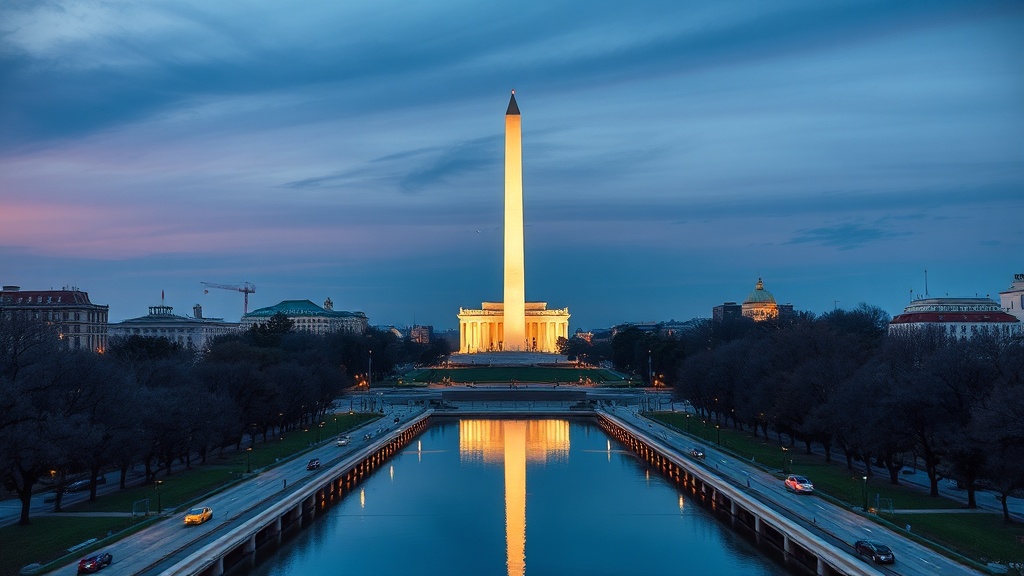
– The National Mall remains an essential stroll: monuments and memorials are close together and easy to combine with museum visits. Many museums offer free admission and rotating exhibitions, so check museum calendars for after-hours events and special programming.
– Waterfronts are thriving destinations. The Southwest Waterfront and riverfront paths along the Anacostia and Potomac are great for walking, dining, and seasonal activities like boat rentals and outdoor concerts. Expect thoughtfully designed piers, public art, and lively eating options.
– Neighborhoods each have a distinct personality.
Georgetown blends historic streets with upscale shopping and waterfront walks. U Street and Shaw are nightlife and music hubs with vibrant dining scenes. Eastern Market hosts a weekend market with local produce, crafts, and nearby eateries. For quieter green escapes, Rock Creek Park offers miles of trails and picnic spots within city limits.
– Cultural variety extends beyond the big institutions.
Contemporary galleries, independent theaters, food halls, and public art installations reflect the city’s dynamic creative energy.
Look for neighborhood festivals and pop-up markets to experience local makers and live music.
Local favorites and food tips
– Food halls and markets are a convenient way to sample multiple cuisines under one roof.
They’re ideal for groups with diverse tastes or when you want a quick, quality meal between sightseeing stops.
– Late-night and brunch scenes are strong — try neighborhood bakeries for morning pastries and busy neighborhood spots for evening cocktails or live music.
– Farmers markets and specialty grocers are great for picking up picnic supplies before heading to the Mall, a park, or the waterfront.
Getting around
– Public transit is a practical backbone for most itineraries; stations put many attractions within easy reach. For short hops, the DC Circulator and neighborhood bike-share systems are affordable and efficient. Rideshares and scooters fill gaps, especially when traveling between neighborhoods late at night.
– The city’s compact core makes walking one of the best ways to soak in architecture, murals, and street life.
Wear comfortable shoes and layer clothing — weather can change through the day.
– Parking can be limited and expensive near popular areas; plan to use public transit or park-and-ride options when possible.
Practical planning tips
– Check museum and attraction calendars before you go to book timed-entry passes or special events; many institutions publish limited-capacity programs that sell out quickly.
– If you want cherry blossoms, fall foliage, or warm-weather festivals, plan around seasons rather than specific dates to align with peak experiences.
– Safety and accessibility continue to receive attention across the city; look up accessibility options at venues and follow local guidance for late-night travel.
Whether your interest is history, food, outdoor recreation, or art, Washington DC offers a mix of iconic experiences and under-the-radar discoveries. With a little planning, you can balance the must-see sites with neighborhood explorations that reveal the city’s everyday energy.
Leave a Reply