The White House remains a powerful symbol of American government and a living site of history, ceremony, and daily governance. Whether you’re planning a visit, following presidential events, or simply curious about its spaces and programs, understanding how the White House operates and what the public can access makes any experience richer.
Planning a visit: public tours and tickets
Public tours of the White House are available but require advance planning. Most visitors request tours through their member of Congress or, for international visitors, through their home country’s embassy in Washington. The White House also posts information about tour availability on its official website and through social channels—check those resources before you travel.
Expect thorough security screening. Visitors need valid government-issued photo identification, and many standard items—large bags, food, liquids, sharp objects—are prohibited.
Tours are self-guided and move quickly; photography rules apply, and some rooms or features may be closed to the public on short notice due to official events or security needs.
What you’ll see
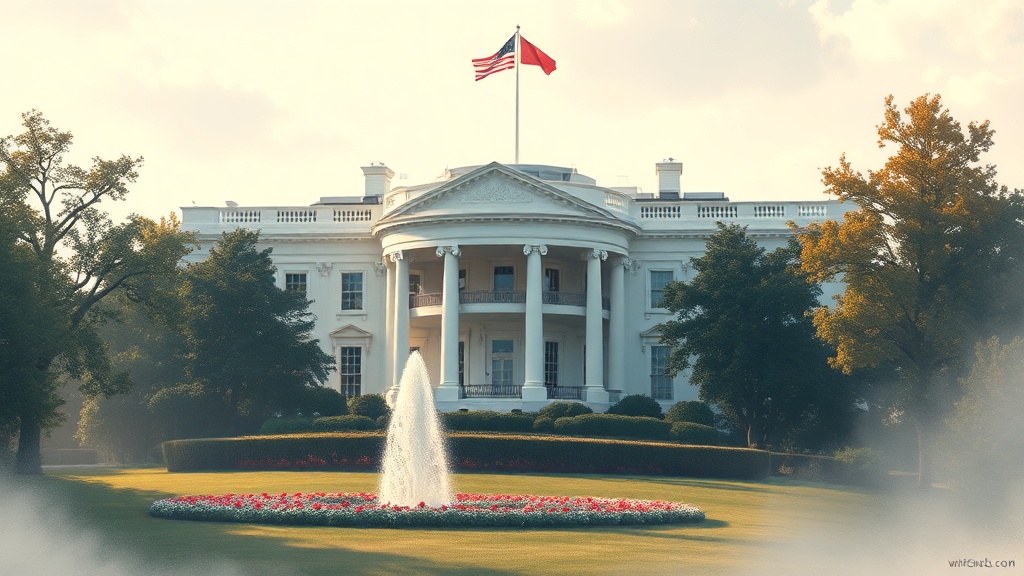
Highlights of public tours often include the East Room, State Dining Room, and some public-facing corridors lined with portraits and historical artifacts. The Oval Office and private residential areas are not part of routine public tours, though they come into view during official televised events. Outside, the South Lawn, Rose Garden, and the historic porticoes are focal points for public ceremonies, press events, and holiday traditions.
Accessibility and family-friendly options
The White House and its Visitor Center aim to be accessible. Wheelchair users and visitors with mobility concerns should request accommodations when arranging a tour. Families can find child-friendly programming through the White House Historical Association and the Visitor Center, which offer exhibits and materials designed to engage younger audiences before or after a tour.
Special events and traditions
Several public-facing traditions draw nationwide attention. Ceremonial events—like wreath layings, presidential addresses from the South Lawn or Rose Garden, and seasonal celebrations—are broadcast widely and sometimes include limited in-person attendance. Large public events, such as annual holiday activities, require separate tickets or reservations and fill up quickly.
Learning beyond the tour
For deeper context, the White House Historical Association provides publications, virtual exhibits, and educational resources that trace the building’s architecture, art, and evolving role.
The official White House website and press briefings offer up-to-date information on policy announcements, executive actions, and public schedules. Local museums and nearby attractions, including presidential libraries and Washington museums, provide complementary historical perspectives.
Practical tips for visitors
– Request tours as early as possible through your congressional office or embassy.
– Bring a government-issued photo ID and expect strict security checks.
– Travel light—many items are banned; check the official list before you go.
– Arrive early and plan for weather if you hope to view outdoor ceremonies.
– Use public transit; parking can be limited near the White House.
– Respect signage and security personnel; areas can close without notice.
Why it matters
The White House functions as both a working office and a national symbol. Visits, whether virtual or in person, offer a window into the rituals, decisions, and public-facing moments of American leadership.
By planning ahead and using available educational resources, visitors can turn a brief tour into a meaningful engagement with the nation’s civic life.
Leave a Reply