Georgetown remains one of the most visited and livable neighborhoods in the city thanks to a rare blend of history, waterfront access, and vibrant retail and dining scenes. Whether you’re planning a relaxed weekend stroll or a more immersive local experience, Georgetown delivers an appealing mix of old-world charm and contemporary urban life.
Start with the streetscape. Narrow, cobblestone lanes and Federal-style rowhouses give Georgetown a distinct historic character. The Georgetown Historic District protects these architecture and streetscapes, so wandering M Street and Wisconsin Avenue feels like stepping into a curated postcard. Boutique shops, independent retailers, and long-standing specialty stores line the main corridors, offering everything from artisanal goods to designer fashion.
The C&O Canal towpath is a top draw for people who want green space without leaving the neighborhood. The flat, tree-lined path runs parallel to the Potomac River and is ideal for walking, jogging, cycling, or a serene canal-side picnic. Kayaking and paddleboarding are popular along the waterfront, and the Georgetown Waterfront Park provides open lawns, riverside terraces, and sweeping views that are especially enjoyable during mild weather.
Georgetown’s dining scene balances fine dining with neighborhood favorites. You’ll find acclaimed chef-driven restaurants, cozy bakeries, and late-night eateries all within a short walk of each other. Cafés and wine bars make the area a great spot for both casual meetups and celebratory meals.
Food trends here often favor seasonal, locally sourced menus as well as international flavors, making the neighborhood a culinary playground for locals and visitors alike.
Cultural attractions anchor the neighborhood’s intellectual and artistic life. A world-renowned university anchors one end of Georgetown, with a leafy campus known for its collegiate Gothic architecture and active public events. Nearby museums and historic homes—each with unique gardens and curated collections—offer quiet retreats for anyone interested in art, history, or landscape design.
Practical access is easier than it looks. While the neighborhood doesn’t have a direct subway stop, multiple bus routes, the city circulator, ride-hailing services, and bike-share systems keep Georgetown well connected to the rest of the city. The Key Bridge offers a quick link across the river, and plenty of pedestrian-friendly routes make walking a practical option for short trips.
Real estate in the area blends historic conversions with contemporary infill projects. Residents often cite walkability, school options, and access to green spaces as top reasons to stay. At the same time, preservation rules and community-led initiatives help maintain the neighborhood’s scale and character, making any development feel mindful of the past.
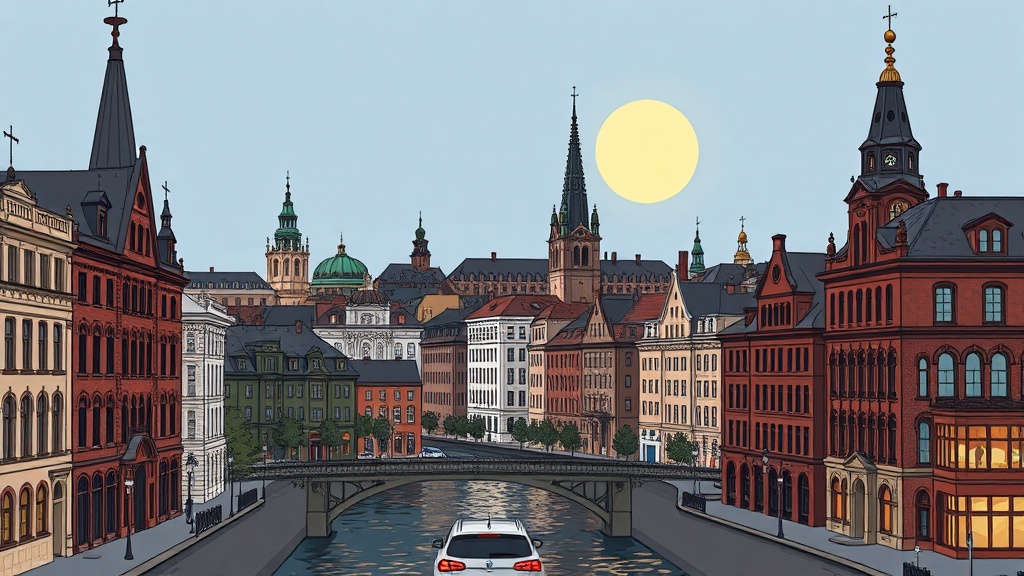
Seasonal programming and pop-up events bring fresh energy to public spaces.
Waterfront concerts, outdoor markets, and garden tours periodically activate streets and parks, giving both newcomers and longtime residents reasons to return.
Community organizations and business groups collaborate frequently to support small businesses, host neighborhood cleanups, and promote sustainable transportation.
Tips for a great visit: wear comfortable shoes for uneven paving; allocate time to explore side streets and alleys where the most charming storefronts and hidden courtyards are found; and consider a canal-side coffee or an early evening walk along the river to catch the neighborhood’s most picturesque moments.
Georgetown’s enduring appeal comes from its ability to balance conservation with vibrant urban life.
Whether you’re drawn by architecture, food, waterfront activities, or simply a scenic place to linger, the neighborhood continues to reward curiosity and slow exploration.
Leave a Reply