Washington DC blends monumental history, thriving neighborhoods, and a constantly evolving food and culture scene, making it a city that rewards both first-time visitors and repeat explorers. Whether you’re drawn to iconic landmarks, world-class museums, or lively dining corridors, DC offers easy access to a rich mix of experiences concentrated within a compact, walkable area.
What to see and do
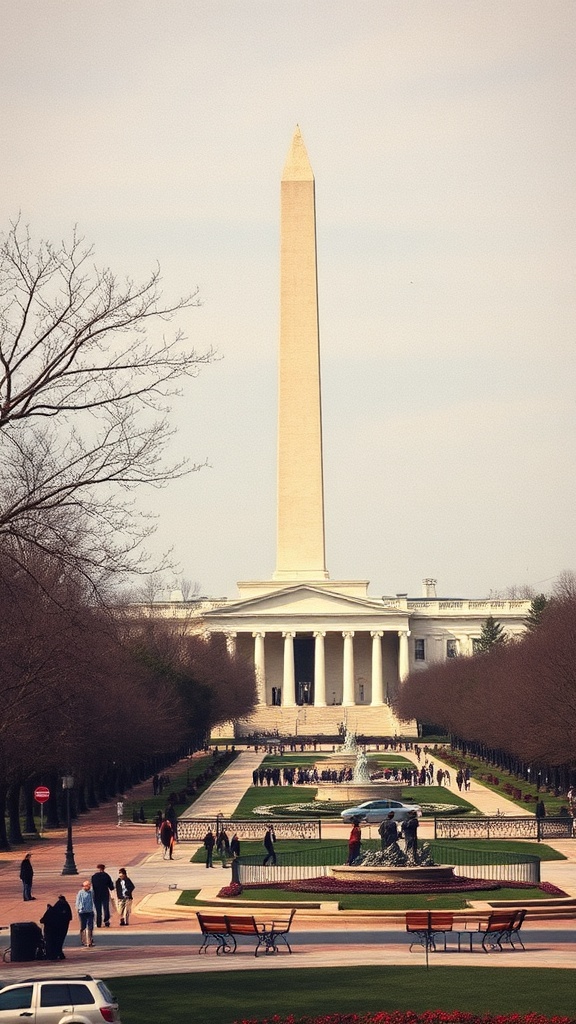
– National Mall and Monuments: Start at the Mall to take in the Lincoln Memorial, Washington Monument, and the reflective pools. Monuments are especially striking early morning or after dark when lights create dramatic views and crowds thin.
– Smithsonian Museums: Many Smithsonian museums offer free admission and house deep collections across art, history, science, and culture.
Popular stops include the National Air and Space Museum, the National Museum of American History, and the National Museum of Natural History. Note that some high-demand museums or special exhibitions may use timed-entry passes, so check ahead.
– Cultural centers: Don’t miss the National Gallery of Art and contemporary art at the Hirshhorn.
For powerful, focused storytelling, visit museums dedicated to African American history and global cultures.
– Neighborhoods: Explore Georgetown for cobbled streets and boutique shopping; U Street and Shaw for music, nightlife, and soul food; and Eastern Market and Barracks Row for a taste of local markets and restaurants. The Wharf and Navy Yard waterfronts offer dining, riverside promenades, and entertainment.
– Green spaces: Rock Creek Park provides miles of trails for hiking and biking right inside the city.
The Tidal Basin is famous for its scenic walks and seasonal blooms.
Getting around
Public transit is the easiest way to move around—Metro trains and local buses cover most points of interest.
A reloadable transit card and the agency’s mobile app streamline fares and trip planning. Short, predictable routes are also served by the DC Circulator, a low-cost bus with helpful loops for tourists. For flexible trips, Capital Bikeshare is ubiquitous and convenient for short rides; helmets and basic route planning make for a more comfortable experience.
Practical tips
– Timed entry and security: Popular museums and certain sites may require timed-entry passes or have security screenings; reserve ahead for busy periods and arrive with minimal bags.
– Walking shoes: Bring comfortable footwear—much of central DC is best explored on foot, and distances between sites can be longer than they appear.
– Dining: Reservations are recommended for popular restaurants, especially on weekends. Food halls and pop-up markets offer fast, local eats and a chance to sample multiple vendors.
– Weather-ready planning: Pack layers and have a backup plan for rainy days—museums and indoor cultural spaces are plentiful.
Hidden gems and local flavor
Look beyond the Mall for off-the-beaten-path finds: small museums with specialized collections, neighborhood galleries, and seasonal farmers markets where locals shop. Live music is a staple—catch a jazz set on U Street or find intimate performances in smaller venues across the city.
Whether you’re checking off the major landmarks or savoring neighborhood bakeries and craft cocktail bars, Washington DC delivers a compact, layered experience that combines history, culture, and contemporary urban life. Plan smart, move easily, and leave time to wander—some of the best discoveries happen between the big stops.
Leave a Reply