George Washington University stands out for one defining advantage: its location at the intersection of higher education and the heart of policy, business, and culture. Nestled steps from federal agencies, international institutions, major think tanks, and corporate headquarters, the university offers a living laboratory where classroom theory becomes real-world practice.
Academic strengths and interdisciplinary reach
GW’s schools cover a wide range of professional and academic fields—international affairs, public health, law, medicine, business, journalism and the arts—each structured to leverage the university’s policy-oriented surroundings.
Programs emphasize experiential learning: policy labs, legal clinics, health outreach, and media practicums put students in direct contact with practitioners. Faculty research often intersects with policy debates, creating opportunities for students to participate in funded projects, independent studies, and published work.
Career pathways and internships
One of the most tangible benefits of attending is the network access. Proximity to government departments, embassies, financial institutions, and nonprofits means internships and entry-level roles are within easy reach.
Career services and alumni networks actively cultivate employer pipelines, and many students convert internships into full-time positions.
For those seeking careers in international affairs, public policy, journalism, or law, the city’s ecosystem provides mentors, guest lecturers, and fast-track job exposure.
Research, innovation, and public impact
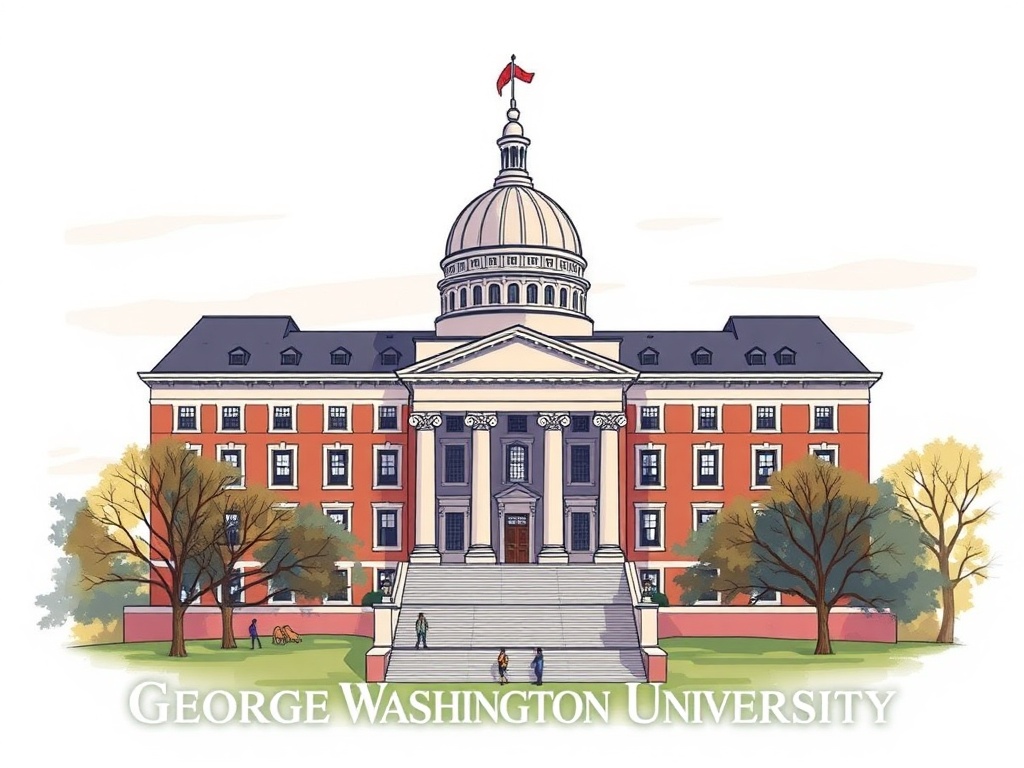
Research centers affiliated with the university focus on pressing global issues—from public health and climate to cyber policy and economic development. Students can join interdisciplinary teams, work with external partners, and engage in public-facing events that shape discourse beyond campus. Innovation initiatives and entrepreneurship resources support students and faculty who want to commercialize ideas, launch startups, or test social-impact models in a densely resourced market.
Student life and campus experience
Campus life blends the intimacy of a residential university with the vibrancy of an international city. Residence halls, student organizations, arts venues, and athletic facilities provide a full collegiate experience. At the same time, students can attend policy briefings, cultural festivals, and professional events across the city in the evenings and on weekends. Public transit access and walkable neighborhoods make it easy to balance campus commitments with off-campus opportunities.
Tips for prospective students
– Leverage location: prioritize internships and informational interviews early; the network you build locally can define post-graduate options.
– Seek interdisciplinary projects: policy problems are rarely siloed—courses that cross departments add real-world value.
– Use career services and alumni: targeted resume reviews and alumni introductions accelerate hiring timelines.
– Engage in research or clinics: hands-on projects enhance skills and differentiate candidates in competitive job markets.
Community engagement and civic presence
The university emphasizes community partnerships and public service. Clinics, service-learning courses, and volunteer programs connect students with local neighborhoods, schools, and health providers. That civic orientation reinforces academic learning with practical service and helps the university play an active role in regional challenges.
Whether the goal is a career in diplomacy, public health, law, media, or entrepreneurship, George Washington University’s combination of robust academic programs and unrivaled access to policy-making institutions creates a pathway where education and opportunity meet. For students who want immediate immersion in the arenas that shape public life, the campus offers a compelling bridge between study and impact.
Leave a Reply