Washington DC blends iconic national landmarks with vibrant neighborhood life, making it easy to experience both classic sightseeing and off-the-beaten-path discoveries.
Whether this is a first visit or a repeat trip, a few smart choices will help you see the capital like a local.
What to see and do
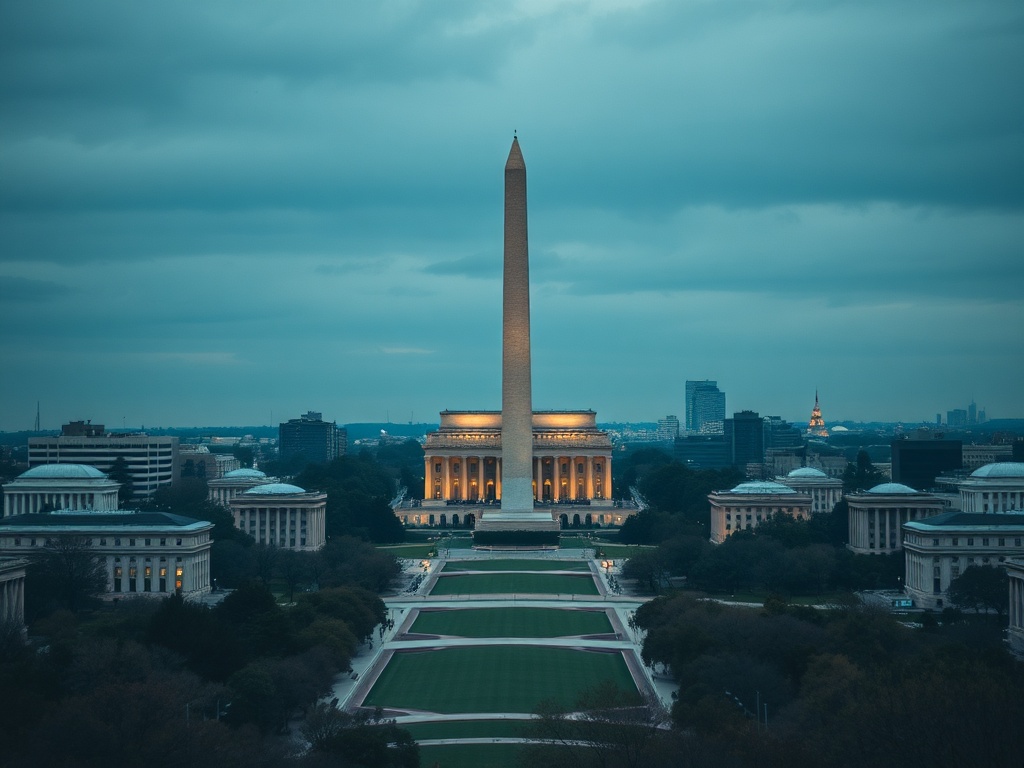
– The National Mall remains the must-see spine of the city: monuments, memorials, and the expansive greenspace connecting the Capitol and Lincoln Memorial are all within comfortable walking distance of multiple museums.
– Smithsonian museums offer world-class collections with no admission fee. Popular picks include the National Air and Space Museum, the National Museum of American History, and the National Museum of Natural History, but smaller specialized museums reward curious visitors as well.
– For sweeping skyline views, head to a rooftop bar or the observation decks that rotate around the city center for different perspectives of the monuments and riverfront.
Neighborhoods with personality
– Georgetown pairs historic architecture with boutique shopping and waterfront dining along the C&O Canal and Potomac River.
– U Street and Shaw are known for live music, soul food, and a lively nightlife scene that recalls the city’s jazz legacy.
– Adams Morgan and Columbia Heights are a go-to for eclectic restaurants, Latin and African shops, and late-night eateries.
– Capitol Hill balances leafy rowhouses with the bustling Eastern Market, where weekends bring farmers, artisans, and food stalls.
Food and drink
The dining scene ranges from Michelin-starred tasting menus to casual markets and food trucks.
Neighborhood restaurant corridors are great for sampling a variety of cuisines in one evening. Coffee shops and bakeries have multiplied across residential neighborhoods, making it easy to find locally roasted beans and freshly baked pastries.
Outdoors and the waterfront
Beyond the Mall, the city offers a surprising amount of green space: Rock Creek Park provides hiking and nature trails, while the Anacostia River and Potomac waterfronts have been reimagined with parks, trails, and kayak launch points. Riverfront neighborhoods now host weekend markets, live music, and family-friendly festivals that animate the shoreline.
Getting around
Washington’s compact downtown and strong transit network make walking and transit efficient choices. The rail and bus system connects major sights, neighborhoods, and suburbs, and bike-share and scooter services fill in last-mile gaps. For shorter hops, rideshare options are ubiquitous; for the full tourist experience, consider biking the Mall or taking a guided walking tour.
Practical tips
– Many museums are free, but special exhibitions and timed-entry passes sometimes require reservations—check museum websites before you go.
– Weekday mornings are often the least crowded for popular attractions. Early or late visits to the Mall provide softer light for photos and a quieter atmosphere.
– Keep a credit card and a small amount of cash, and wear comfortable shoes—DC rewards walkers.
– Safety is best managed with common-sense awareness: stay in well-lit areas at night, secure belongings, and follow local transit advisories.
Why visitors keep returning
The city’s blend of history, culture, and contemporary life creates layered experiences: one day can be devoted to national institutions, the next to a neighborhood food crawl or a riverside bike ride.
With ongoing investment in public spaces and a thriving arts and culinary scene, Washington remains a destination that balances landmark sightseeing with new discoveries at every turn.
Plan a route that mixes the must-see monuments with neighborhood exploration, and you’ll leave with both big-picture memories and personal discoveries that feel distinctly local.
Leave a Reply