Washington DC is more than a collection of famous monuments.
It’s a compact, walkable city where history, culture, food, and green space converge.
Whether you’re drawn to museums, neighborhoods with strong local flavor, or riverside trails, the capital offers a mix of iconic sights and off-the-beaten-path discoveries.
Must-see attractions and smart sequencing
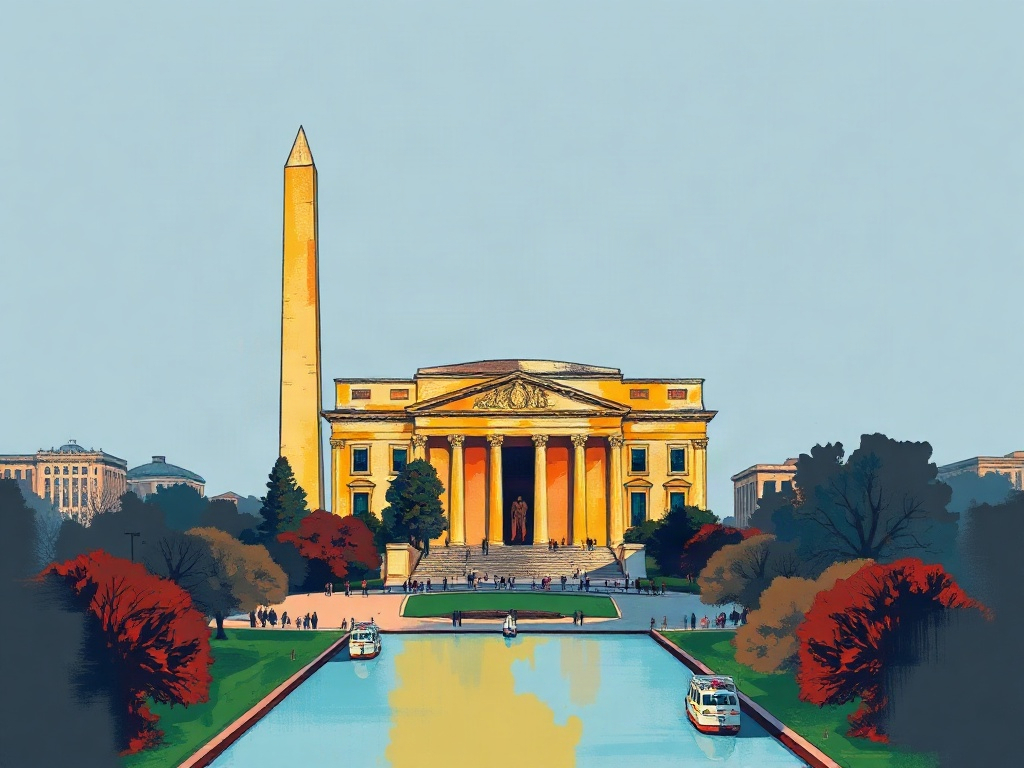
Start with the National Mall to take in the Lincoln Memorial, Washington Monument, and the Reflecting Pool. Nearby Smithsonian museums provide world-class exhibits with no admission fee; plan which museums match your interests—art, aviation, natural history, or American culture—to avoid museum fatigue.
For a different perspective, head to the U.S. Capitol grounds and plan for a guided tour through official channels, or book a behind-the-scenes experience at a gallery or historic house.
Neighborhoods that define the city
– Georgetown: Historic architecture, waterfront dining, and boutique shopping make this a lovely area for strolling.
– U Street and Shaw: Vibrant nightlife, jazz clubs, and a thriving restaurant scene anchored in rich cultural history.
– Eastern Market and Capitol Hill: A lively weekend market and tree-lined streets with local cafés and independent shops.
– Adams Morgan and H Street NE: Diverse menus and late-night options popular with locals.
Outdoor options and waterfronts
Green space is central to DC living. Rock Creek Park offers miles of trails and a break from urban life. The Anacostia Riverwalk Trail and the waterfront near Georgetown and the Wharf provide scenic walking and cycling routes.
The Tidal Basin draws attention during peak blooms, but its quieter paths are rewarding year-round for reflective walks.
Getting around efficiently
Public transit, biking, and walking are often faster than driving downtown. The subway system connects the major hubs and neighborhoods; plan trips around peak commuting hours. Capital Bikeshare stations are plentiful and a practical way to cover short distances. For convenience, download transit apps and check real-time service updates before heading out.
Food and drink
DC’s food scene blends global cuisines with a focus on local ingredients.
Look for neighborhood bakeries, busy lunch spots near museums, and chef-driven restaurants that rotate seasonal menus. For quick, iconic eats, sample local favorites at markets or food halls—then balance indulgence with farm-to-table options in smaller neighborhoods.
Cultural calendar and planning tips
The city’s calendar is full of festivals, special exhibitions, and public events. Many popular activities benefit from advance planning—reserve tickets for performances and guided tours early, and check museum schedules before you go. Dress for comfort: cobblestones, long museum floors, and variable weather call for supportive shoes and layers.
Safety and accessibility
DC is largely safe for visitors, especially in well-trafficked areas. Stay aware of surroundings, use official transit and ride services at night, and respect posted signs at memorials and public sites. Many attractions offer accessible entrances and services; check specific venue information if mobility accommodations are needed.
What makes DC special is this layered mix: national institutions and intimate neighborhood scenes coexist within easy reach. With a bit of planning and an appetite for both history and contemporary culture, a visit to Washington DC can feel like discovering a new city and reconnecting with the familiar at the same time.
Leave a Reply