George Washington University: A hub for policy, research, and urban campus life
George Washington University (GW) occupies a unique place among urban universities by blending rigorous academics with immediate access to the institutions that shape national and global policy. Located in the Foggy Bottom neighborhood of Washington, D.C., GW provides students and researchers a front-row seat to government, diplomacy, and public affairs—advantages that translate into internships, research collaborations, and career pathways few other universities can match.
Academic strengths and interdisciplinary research
GW is known for strong programs across public policy, international affairs, law, business, media, and health sciences.
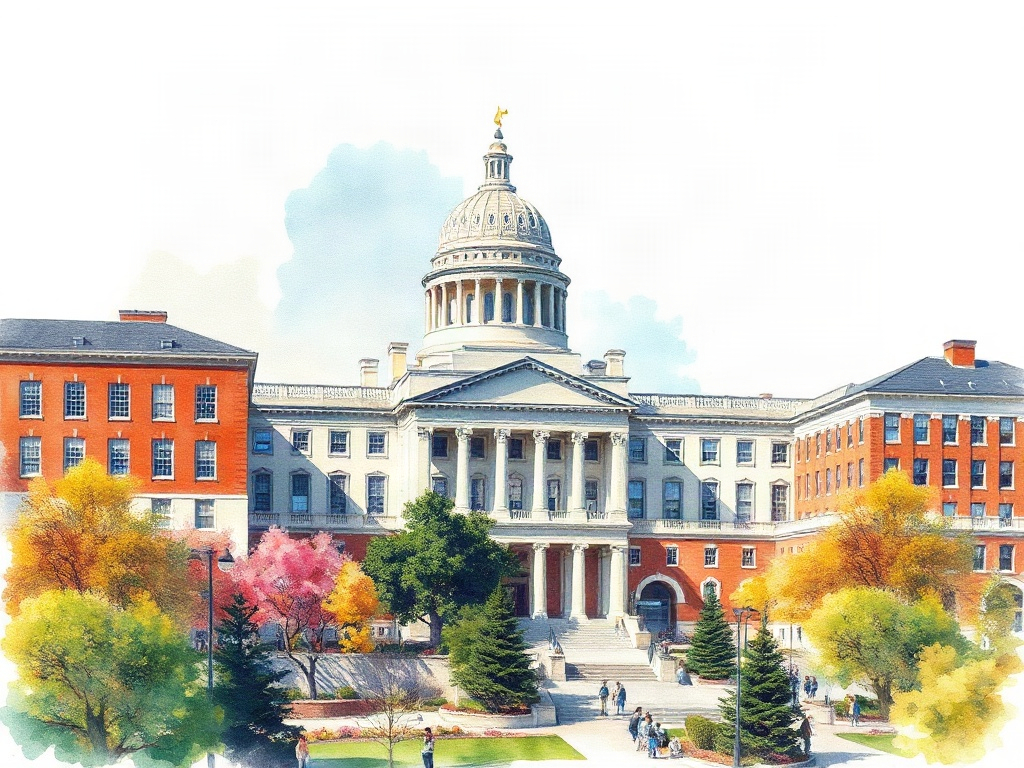
Faculty often bring policy experience and active research projects into the classroom, giving students exposure to real-world problems and networks.
The university’s research centers and institutes support work on energy policy, public health, cybersecurity, urban planning, and economic development, making it a productive environment for cross-disciplinary collaboration and grant-funded research.
Career access and experiential learning
A major draw of attending GW is the internship pipeline. Being within walking distance of federal agencies, international organizations, think tanks, and major NGOs means students can combine classroom study with part-time work or internships that bolster résumés and job prospects. Career services and academic departments frequently coordinate policy labs, externships, and practicum courses that convert theoretical learning into practical experience—an important differentiator for students aiming at careers in public service, diplomacy, journalism, and legal practice.
Campus life and student engagement
GW’s urban campus balances the energy of city life with a compact residential experience. Student organizations span political groups, cultural associations, media outlets like the campus newspaper, and performance arts ensembles. The university’s arts and museum programs provide cultural programming that is open to both campus and community audiences.
Sustainability and campus development
Sustainability and campus improvements are ongoing priorities. Efforts focus on energy efficiency, green building standards, waste reduction, and sustainable transportation options for students and faculty. Development projects emphasize modern academic facilities and student housing that reflect contemporary learning needs while responding to urban planning standards.
Health care and public health leadership
GW’s medical and health-science programs connect clinical training with public health practice. The university’s medical center and hospital serve as clinical partners for hands-on experience, while public health researchers engage with policy-makers and community organizations to address pressing health challenges. This integration of care, research, and policy amplifies GW’s impact in regional health systems and policy debates.
Entrepreneurship and innovation
Students interested in startups and commercialization can find resources through campus entrepreneurship initiatives and incubators that support early-stage ventures, mentorship, and networking. These programs often partner with the broader D.C. innovation ecosystem, linking students to investors, accelerators, and industry expertise.
Tips for prospective students and visitors
– Explore academic departments and talk with faculty about research opportunities.
– Pursue internships early to build practical experience and professional networks.
– Attend public lectures and policy events hosted on campus to connect with thought leaders.
– Use campus career services and entrepreneurship programs to refine career goals and access opportunities.
– Take advantage of the city: museums, federal institutions, and civic organizations enrich both learning and leisure.
George Washington University remains an appealing choice for students seeking an education tightly connected to policy, diplomacy, and urban professional life.
Its location, program variety, and emphasis on experiential learning create strong pathways for leadership and civic engagement.
Leave a Reply