The White House: What to Know About Visiting, Preservation, and Public Programs
The White House is more than a residence; it’s a working executive office, a museum of American decorative arts, and a hub for public events and civic engagement. Whether you’re planning a visit, curious about preservation efforts, or interested in how the grounds are used today, a few key points will help you make the most of your connection to this iconic site.
Planning a visit and public tours
Public tours are free but require advance planning. Requests must be submitted through a member of Congress for citizens, or through an embassy for international visitors. Tours fill quickly and often require booking several weeks to months ahead, so start the process early. Visitors undergo security screening and must bring government-issued photo ID.
Certain items are prohibited, and mobile devices may be restricted in specific areas—check official guidance before you go.
For those who can’t travel, virtual tour options and online resources offer high-resolution imagery and curated tours of historic rooms, making the White House accessible from anywhere. Educational programs and internships provide additional ways for students and young professionals to engage beyond the visitor experience.
Historic rooms and architecture
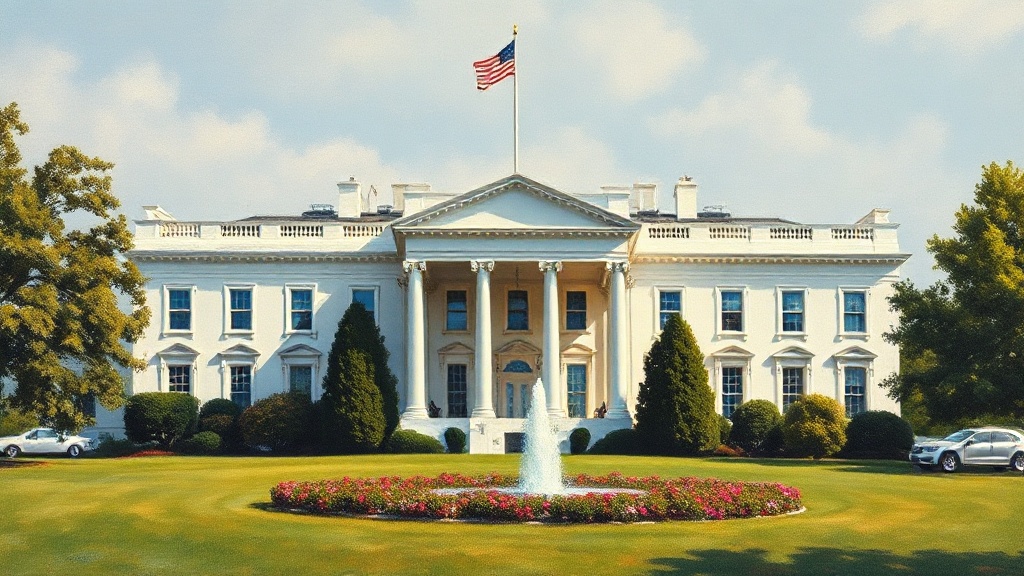
Public tours typically showcase the State Rooms, such as the East Room, Blue Room, Red Room, and the State Dining Room—spaces that combine ceremonial function with historic furnishings and artwork. The building’s neoclassical exterior, iconic porticoes, and interior decorative arts tell layered stories about design influences, diplomatic receptions, and evolving presidential tastes.
Preservation, care, and partnerships
Preserving the White House requires ongoing conservation and careful stewardship. The White House Historical Association and other preservation organizations work with curators and conservators to maintain period-appropriate furnishings, restore textiles and wallpapers, and document provenance. Maintenance rarely stops; building systems are modernized behind the scenes to protect historic fabric while providing modern safety, climate control, and accessibility.
Sustainability and landscape management
The grounds and gardens are living resources—managed for aesthetics, events, and wildlife habitat.
Recent emphasis on sustainability has led to more native plantings, integrated pest management, and upgrades to irrigation and lighting to reduce energy use and water consumption.
These efforts balance historic landscape design with contemporary environmental stewardship.
Security and public access balance
Security is a natural priority for a functioning executive residence and workplace. Visible security measures coexist with public-facing programs, thoughtfully designed to allow visitors to engage with history while maintaining safety. Expect screening, temporary closures for official events, and limited access to certain areas.
Advance planning is the best way to navigate these constraints.
Public events and community engagement
The White House hosts ceremonial events, educational initiatives, and community-focused programs that highlight cultural, scientific, and civic themes. Signature events—often designed to engage families, educators, and civic leaders—offer opportunities for public participation. Keep an eye on official announcements for eligibility and registration details.
Where to find reliable information
For accurate, up-to-date details about tours, accessibility, special events, and preservation initiatives, consult official resources and recognized preservation organizations.
Congressional offices can assist with tour requests for constituents, while online virtual tours and educational materials support remote learning.
A visit or virtual tour offers a layered experience: architectural interest, historical artifacts, and a sense of the White House’s role in public life. With planning and the right resources, anyone can connect with this living symbol and learn how it continues to evolve while honoring its historic roots.
Leave a Reply