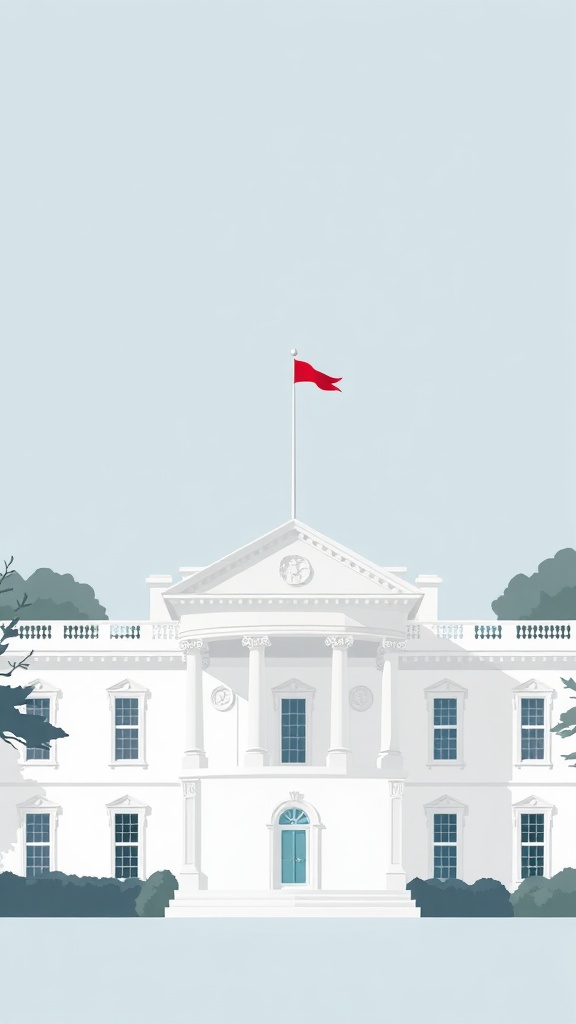
The White House remains one of the country’s most recognizable public buildings—part working office, part private residence, and part living museum. For visitors and observers alike, it offers a blend of history, architecture, public programming, and ongoing efforts to balance security, accessibility, and sustainability.
What to expect on a visit
Public tours are available but limited.
Domestic visitors typically request tours through a member of the legislative body; international visitors usually work through their embassy. All tours require advance reservation and a secure screening process. Expect identity verification, restrictions on bags and electronics, and visible security measures designed to protect both the building and its occupants while allowing responsible public access.
Highlights inside and outside
Tour routes often feature notable rooms used for ceremonial events and state functions, along with spaces that illustrate changing design trends and presidential tastes. Outside, the grounds include carefully managed lawns and gardens designed to be both ornamental and ecologically friendly. The grounds function as platforms for public events, holiday celebrations, and outdoor gatherings that connect the executive residence with the public.
Gardens, food, and pollinators
The kitchen garden and pollinator-friendly plantings showcase how historical landscapes can support modern sustainability goals. These areas demonstrate urban gardening techniques, seasonal produce stewardship, and habitat-friendly plant selections that attract bees, butterflies, and other pollinators.
The garden programs often highlight partnerships with chefs, educators, and community groups to promote food literacy and local agriculture.
Public programs and annual events
Several signature events invite public participation or viewership, including spring and holiday celebrations that combine tradition with contemporary cultural elements. These events are often accompanied by media coverage and special programming that highlight crafts, music, and community partnerships. Many of the White House’s public-facing initiatives are designed to engage a broad audience through educational outreach, cultural displays, and family-friendly activities.
Preservation and modernization
Caring for an active residence and historic landmark requires ongoing preservation work paired with modernization for energy efficiency, accessibility, and technological needs. Efforts include careful restoration of historic interiors, updates to heating and cooling systems, and discreet infrastructure improvements that support both heritage values and the demands of a modern workplace. Sustainability measures—like efficient lighting, strategic landscaping, and transportation updates—help reduce environmental impact while maintaining the site’s historical character.
Planning your visit
– Request a tour well in advance through the appropriate official channels.
– Bring government-issued photo ID and follow instructions provided with your reservation.
– Leave prohibited items (large bags, certain electronics, sharp objects) at home; some visitor centers offer secure storage.
– Check visitor center hours and nearby public transportation options to make arrival smooth.
– Consider scheduling complementary visits to nearby museums and walking tours of the surrounding historic district to enrich the experience.
Resources and reading
Official visitor centers, historical associations, and museum shops provide high-quality guides, exhibits, and publications that deepen understanding of the White House’s evolving role in public life.
These resources are useful for those seeking context on architecture, past occupants, and ceremonial traditions.
The White House continues to be a focal point of national life—an operating residence that opens its doors selectively for public engagement, educational programming, and cultural events. Whether you’re planning a tour, interested in its gardens, or curious about how historic preservation meets modern needs, there are many ways to connect with this iconic site.
Leave a Reply