The White House remains one of the most recognizable symbols of American government—a working residence, an official office, a museum of American history, and a stage for ceremonies and policy. Whether you’re planning a visit or simply curious about how the complex operates, understanding public access, historic preservation, and the blend of tradition and modern function makes a visit more meaningful.
Planning a visit: how public tours work
Public tours are free but limited, and demand often outpaces availability. U.S. citizens typically request tour passes through their Member of Congress. International visitors can seek assistance through their embassy in Washington. Requests are subject to security screening and availability, and certain parts of the grounds may be closed during official events.
The White House Visitor Center and the official White House website provide the most current guidance on tours and access policies.
What to expect on a tour
Tours are generally self-guided and focus on the public state rooms that showcase the White House’s architecture, period furnishings, and extensive art collection. Visitors see spaces that have hosted foreign dignitaries and national ceremonies—rooms that reflect both historical continuity and changing tastes across administrations.
Photography may be allowed in some areas but restricted in others; staff and security personnel will provide directions. Expect security screening at entry, and plan to travel light—large bags, food, and sharp objects are commonly prohibited.
Virtual access and digital engagement
For those who can’t visit in person, the White House offers robust digital resources. Virtual tours, high-resolution galleries of the historic rooms, and curated exhibits from the White House Historical Association make the building’s art and history accessible to a global audience.
Social media and official livestreams also provide real-time access to events, announcements, and public ceremonies.
Preservation, art, and garden programs
The White House is both a residence and a museum, so preservation is ongoing.
Conservators, curators, and preservationists work to maintain historic fabrics, conserve priceless artworks, and adapt infrastructure to modern needs without compromising historic character. Public-facing programs—like special exhibits, holiday decorations, and garden initiatives—highlight the building’s cultural role. The White House garden, influenced by successive occupants, often functions as an educational tool, showcasing seasonal produce and sustainable practices.
Balancing transparency and security
Maintaining public access while ensuring the safety of occupants and visitors is a continuous balancing act. Security protocols evolve with technology and global events, but the goal remains the same: preserve the openness that allows citizens to connect with the nation’s highest office while protecting those within.
Visitor tips
– Request passes well in advance through the appropriate channels.
– Bring government-issued ID and be prepared for screening.
– Check the official White House website or Visitor Center for the latest restrictions and tour times.
– Dress comfortably and expect some walking; tours can be brief but packed with history.
– Explore the White House Historical Association’s resources for deeper context before or after your visit.
Why it matters
The White House is more than a building; it’s a living symbol of governance, history, and public ritual. Whether experiencing it in person or online, engaging with the White House offers insight into national narratives, civic traditions, and the ongoing work of preserving a public space that continues to shape and reflect the country’s public life.
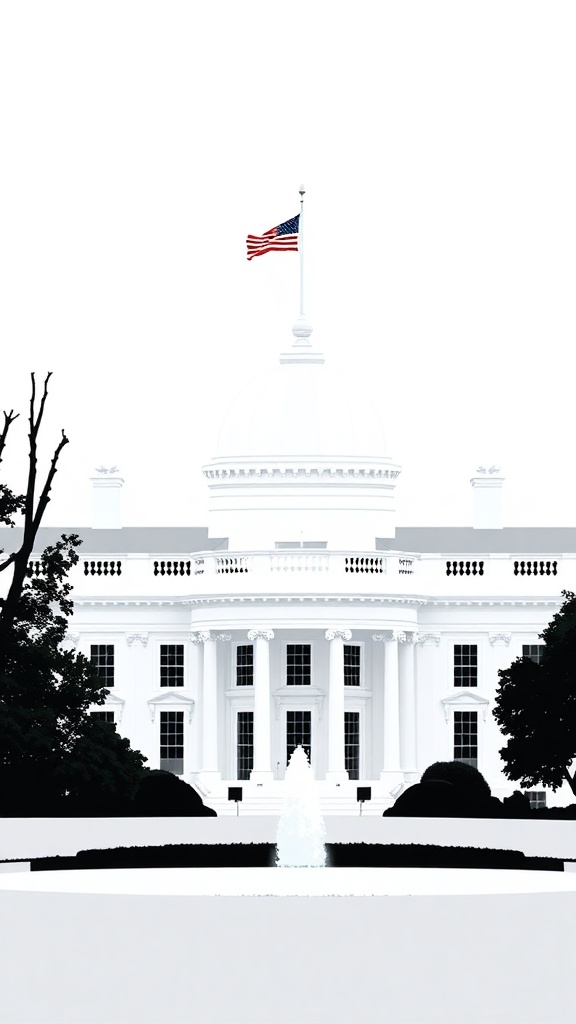
For the most accurate tour details and access requirements, always consult the official White House channels or the Visitor Center before making plans.
Leave a Reply