Georgetown: Where Historic Charm Meets Modern City Life
Georgetown blends cobblestone streets, preserved rowhouses, and a lively riverfront to create one of the most beloved neighborhoods in the capital.
Whether you’re drawn by historic architecture, boutique shopping, dining, or outdoor recreation, Georgetown offers a compact, walkable experience that feels both timeless and vibrant.
Historic architecture and cultural landmarks
The neighborhood’s historic fabric is one of its biggest draws. Stroll past Federal-style townhouses, hidden garden courtyards, and landmark buildings that tell stories of the city’s past. Several house museums and historic sites offer a closer look at preserved interiors and period gardens, while the nearby university campus contributes classic collegiate architecture and a steady stream of cultural programming open to the public.
Shopping and dining on M Street and Wisconsin Avenue
M Street and Wisconsin Avenue form the retail spine of Georgetown.
You’ll find an eclectic mix of independent boutiques, national brands, and specialty shops selling everything from artisanal goods to luxury fashion. Dining options span cozy cafés, upscale restaurants, and casual spots perfect for people-watching.
Farm-to-table kitchens, international flavors, and inventive cocktail bars make dining a highlight—reserve ahead for weekend evenings and peak dining hours.
Waterfront and outdoor activities
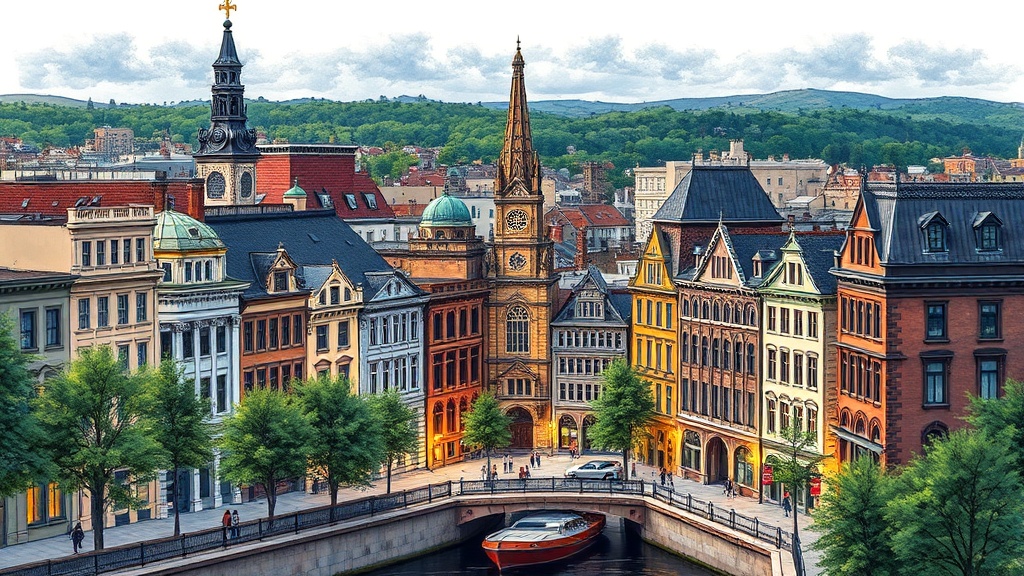
The waterfront along the Potomac River is a perfect escape within the city. Waterfront parks, scenic promenades, and marina activity create an energetic yet relaxed atmosphere. Kayak and paddleboard rentals make it easy to enjoy the water, while river cruises provide a leisurely way to take in city skyline views.
For a quieter experience, follow the towpath along the C&O Canal for biking, jogging, or a shaded walk past historic locks and bridges.
Events and neighborhood life
Community events, outdoor concerts, and seasonal markets keep the neighborhood lively. Local galleries and small theaters contribute an artsy undercurrent, and weekend farmers’ markets showcase fresh produce, baked goods, and artisanal products. The mix of residents, students, and visitors contributes to a neighborhood that feels active and welcoming throughout the week.
Getting around and practical tips
Georgetown is highly walkable, making it easy to explore on foot. Public transit options and circulator services connect the neighborhood to the wider city, and bike lanes and shared-mobility services provide alternative ways to move around. Parking can be limited in busy corridors—plan to arrive early, use public transit, or take advantage of off-peak hours.
Sustainability and preservation
Local preservation efforts maintain the neighborhood’s historic character while encouraging sustainable practices.
Adaptive reuse projects have turned older buildings into modern residences and retail spaces without losing architectural integrity. Green initiatives—like improved pedestrian infrastructure and riverfront restoration—aim to protect natural assets while enhancing public access.
A neighborhood for discovery
Whether you’re visiting for a day or settling in long term, Georgetown rewards slow exploration. Start with a coffee shop and a map-free walk through winding streets, pause at a riverside bench, and let the mix of history, culture, and contemporary urban life guide your itinerary. Small discoveries—hidden courtyards, a newly opened gallery, or a standout neighborhood eatery—are part of the charm that keeps people returning.
For anyone seeking a neighborhood that balances historic character with modern amenities, Georgetown offers an appealing walkable experience where each block has something new to offer.
Leave a Reply