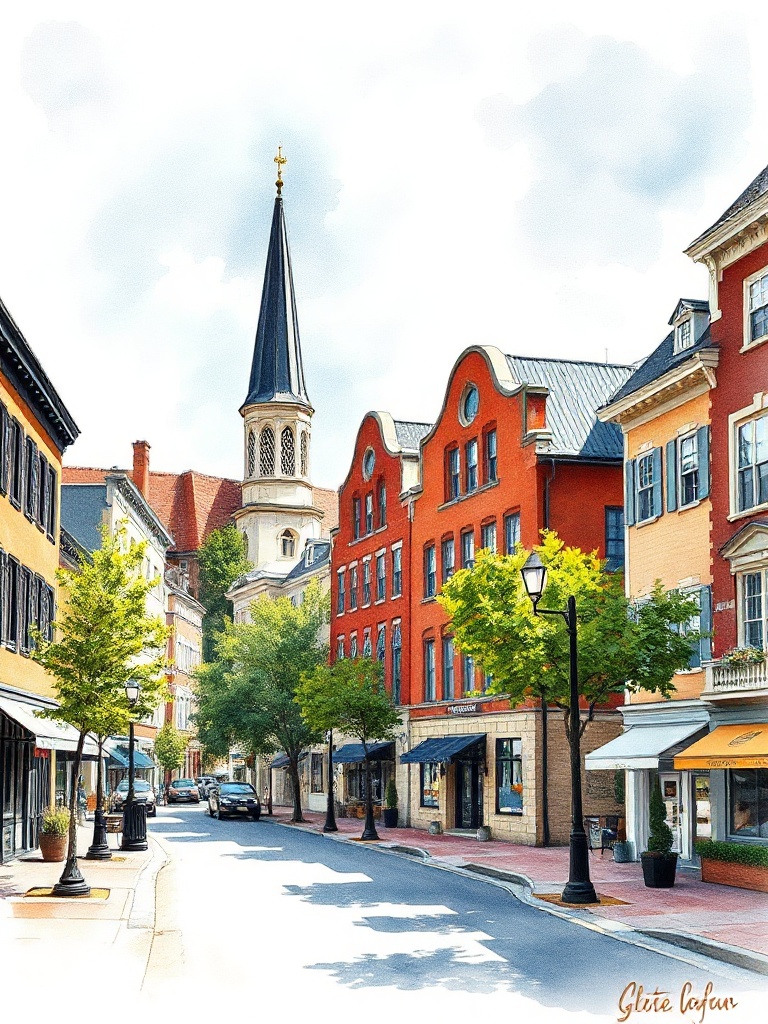
Georgetown blends historic charm with a lively urban pulse, making it one of the region’s most visited and desirable neighborhoods. Winding cobblestone streets, brick rowhouses, and carefully preserved facades create a picture-postcard setting, while boutique shops, acclaimed restaurants, and a vibrant university community keep the area energized.
Historic character and preservation
Georgetown’s identity is rooted in its long history, visible in Federal-style architecture, ironwork, and narrow alleyways. Strong preservation rules keep the streetscape intact, so storefronts, signage, and building alterations must meet strict design standards. That protective approach has helped maintain the neighborhood’s unique visual character and supports a local economy built around small businesses and independent retailers.
Shopping and dining
Retail corridors along M Street and Wisconsin Avenue offer a mix of luxury brands, local boutiques, and specialty shops. Window-shopping blends easily with serious purchases, from designer fashion to artisanal homewares. Food options range from casual cafés and bakeries perfect for morning coffee to inventive fine-dining rooms and lively gastropubs. The waterfront adds another layer: riverside restaurants and bars deliver outdoor seating, scenic views, and a relaxed atmosphere when the weather encourages dining al fresco.
Green space and the waterfront
The Georgetown waterfront and the adjacent towpath along the canal create surprising stretches of green in an urban setting. The C&O Canal towpath is a favorite for walkers, runners, and cyclists seeking an easy escape into nature without leaving the neighborhood. Waterfront parks host seasonal programming and public art, and water taxi service connects Georgetown to other riverfront destinations, offering an enjoyable alternative to roads for commuters and visitors.
University life and cultural attractions
A major university anchors the neighborhood with a steady flow of students, lectures, and cultural events that keep the area intellectually active. Campus architecture and tree-lined quads invite casual exploration, while museum-caliber collections nearby, historic homes, and gardens offer quieter cultural experiences. Independent bookstores, performance venues, and galleries cater to a variety of interests, making Georgetown appealing for both daytime visitors and evening crowds.
Transport and accessibility
Georgetown is notable for not having a rapid-transit station within its boundaries, which contributes to a compact, walkable environment. Public transit buses, circulator services, bike lanes, and ride-share options make it easy to reach surrounding neighborhoods.
Many residents and visitors treat the area as a pedestrian zone, where errands, dining, and entertainment can happen within a short walk.
Real estate and living
The housing stock is famously varied: narrow rowhouses, hidden carriage houses, converted warehouses, and modern condominiums coexist. Historic homes often come with preservation-related constraints, which influences renovation choices and preserves neighborhood character. The mix of students, professionals, families, and longtime residents creates a layered community feel.
Tips for visiting
– Start with a walking route that includes the canal towpath, M Street shopping, and the waterfront for a balanced view of Georgetown’s offerings.
– Allocate time for a campus stroll and a visit to one or two small museums or historic houses.
– Weekday visits tend to be less crowded than weekend afternoons; evenings bring a different energy with restaurant service and nightlife.
– Explore side streets and alleys off major avenues to discover quiet charms and local favorites not visible from the main thoroughfares.
Georgetown remains a model of how historic preservation and contemporary urban life can coexist. Whether drawn by shopping, dining, cultural programming, or simply the timeless streetscape, the neighborhood continues to attract those seeking both character and convenience.
Leave a Reply