Washington Capitals: What to Watch as the Franchise Evolves
The Washington Capitals remain one of the NHL’s most visible franchises, balancing the legacy of long-term stars with a push to refresh the roster and playing style. For fans and observers, the story isn’t just about individual flashes of brilliance—it’s about how the team transitions from a veteran-led identity to a more balanced, sustainable core.
Legacy and leadership
At the center of the Capitals’ narrative is an all-time great goal-scorer whose name is synonymous with the franchise. That sustained excellence built the team’s profile and created high expectations from ownership and fans alike. Equally important has been the presence of veteran leaders across the lineup who set standards for work ethic, professionalism, and playoff toughness.
As those careers evolve, the Capitals face the typical challenge: honoring the past while accelerating development of younger contributors.
Development pipeline and roster building
Front-office strategy has leaned into a blend of drafting high-upside prospects, targeted trades, and shrewd free-agent signings. The organization’s development staff prioritizes speeding up young players’ transition to pro hockey through deliberate AHL time, role-specific coaching, and situational deployment in the NHL lineup. Keep an eye on forwards who show scoring instincts, defensemen who can handle transition play, and goaltenders with the right combination of size and agility. How those pieces fit alongside established veterans will shape the team’s competitive window.
Style of play and special teams
The Capitals historically relied on puck possession and an elite shooting threat to create offense. Recently, there’s been a notable emphasis on faster puck movement, quicker zone entries, and more aggressive attacking from the blueline. That evolution is especially relevant on the power play: schematic adjustments aim to create higher-quality shooting lanes and more unpredictability in puck movement. Defensively, pairing mobility with physicality is key—teams that can neutralize speed and make quick breakout decisions tend to find more success against the Caps’ offensive zone pressure.
Goaltending and depth
Solid goaltending remains a prerequisite for postseason success. The Capitals’ approach combines veteran stability with younger netminders pushing for backup roles.
Depth in net and on the blue line often decides progress in tight playoff series; controlling rebounds, reading plays, and winning one-on-one battles in front of the crease are reliable indicators of a team that’s ready to contend.
Rivalries and atmosphere
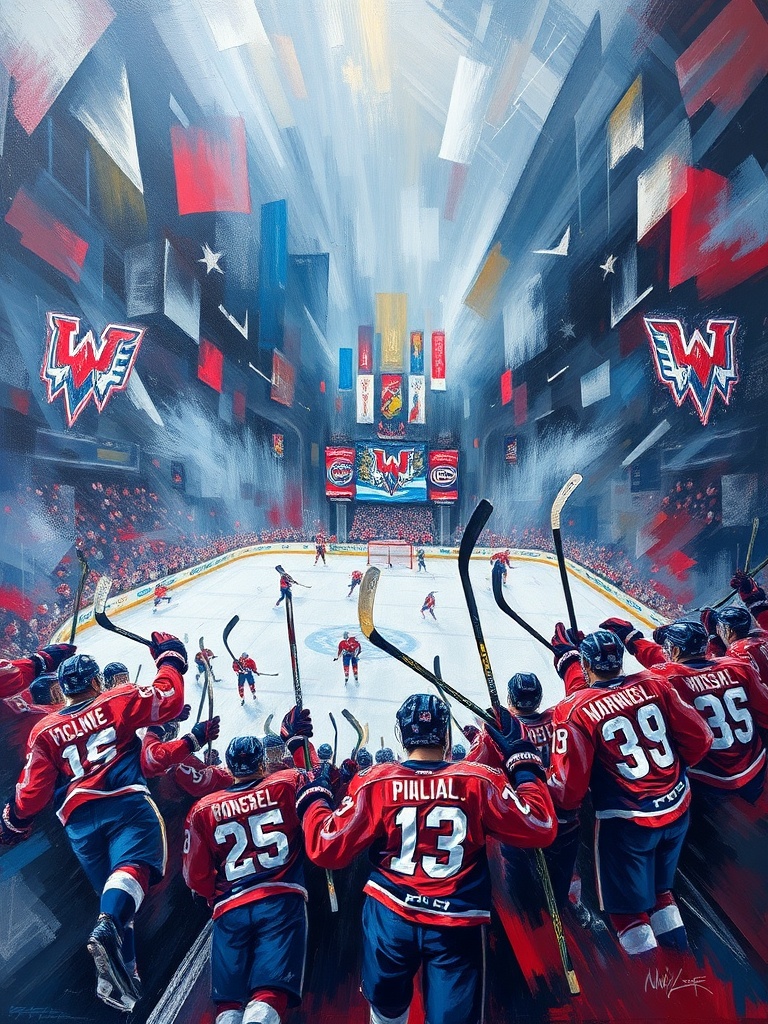
The Capitals retain intense rivalries that fuel attendance and national interest. Games against regional rivals turn into must-see events, and the home arena atmosphere—loud, partisan, and full of traditions—gives the team a clear advantage during critical stretches. Beyond game nights, the franchise’s community programs, youth hockey initiatives, and fan engagement efforts help sustain a deep local connection.
What to watch this season
– Which prospects earn top-six minutes and how quickly they adapt.
– Power play efficiency after schematic changes and personnel tweaks.
– Defensive pairings: which combinations provide balance and puck-moving ability.
– Goaltending consistency, especially during long road trips and tight back-to-backs.
– How leadership minutes are redistributed as veterans’ roles naturally shift.
For fans, the most compelling storyline will be whether the Capitals can merge veteran savvy with young energy to make a deep playoff push while laying groundwork for sustained success. Expect tight, tactical hockey, passionate fan support, and moments of offense that remind you why the team remains a major draw in the league. Stay tuned to roster moves and lineup trends—those small adjustments often reveal the larger plan.
Leave a Reply