George Washington University sits at the intersection of higher education and the heart of the nation’s capital, offering a distinctive blend of policy influence, research intensity, and vibrant urban student life. For students and researchers who want direct access to government agencies, international organizations, think tanks, and leading health systems, the campus location in Foggy Bottom is a key advantage that shapes academic and career opportunities.
Academic strengths are broad, with particular recognition for programs that connect scholarship to public policy, international affairs, public health, business, and law. The Elliott School of International Affairs and related centers create frequent opportunities for students to engage with diplomats, policy makers, and global leaders. Health sciences benefit from close integration with GW’s academic medical center and affiliated hospitals, supporting clinical training, biomedical research, and community health initiatives. Business and entrepreneurship programs emphasize experiential learning, mentorship, and pathways to startup funding and incubators that help students transform ideas into market-ready ventures.
Research and innovation are highly visible across campus. Interdisciplinary centers focus on pressing challenges such as public health preparedness, cybersecurity, urban resilience, and climate adaptation. These hubs often partner with government agencies and private industry, enabling faculty and students to work on applied projects with real-world impact.
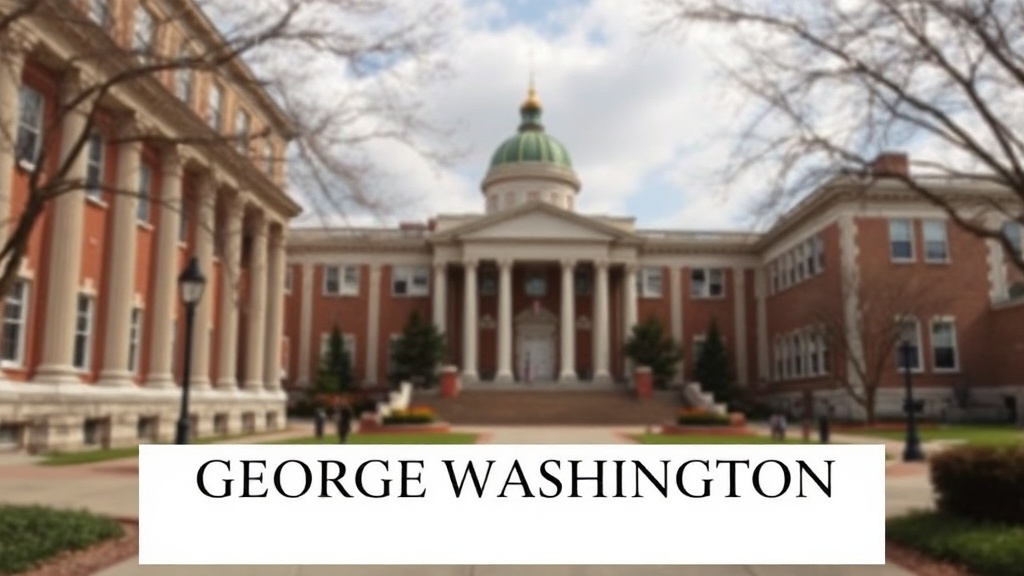
For researchers seeking a policy-to-practice pipeline, this environment accelerates influence and fosters meaningful collaborations.
Career development is a central pillar of the student experience. The university’s proximity to federal agencies and multinational organizations makes internships and externships a natural part of academic planning. Career services connect students with alumni networks, employer recruiting, and skills workshops, while many program-specific advising offices help students map internships to degree requirements and long-term goals. For anyone pursuing a profession in government, law, public health, media, or international affairs, the access to practitioners and policymakers is a decisive advantage.
Campus life balances the intensity of an urban campus with a strong sense of community. Residential options and campus organizations span cultural groups, service clubs, and professional societies, helping students find peer support and leadership experience. Arts and athletics add social and wellness dimensions, and a packed calendar of lectures, conferences, and guest speakers mean there’s almost always an opportunity to learn beyond the classroom.
Sustainability and community engagement are increasingly important on campus. Initiatives focus on energy efficiency, greener transportation options, and partnerships with neighborhood organizations to address local priorities. Community-based learning integrates coursework with service, allowing students to contribute to urban health, education, and economic development projects while building practical skills.
Visiting or applying? Prospective students should plan to explore the Foggy Bottom neighborhood, sit in on a class if possible, and meet with faculty or advisors in their area of interest. Look for program-specific experiential opportunities—clinics, policy labs, research practicum—that translate classroom learning into tangible outcomes. Alumni engagement is strong, and connecting with graduates in your intended field can provide invaluable mentorship and job leads.
George Washington University offers a compelling mix of hands-on learning, policy proximity, and research resources. For students drawn to public service, global engagement, health sciences, or entrepreneurship, the campus environment provides distinct advantages that support both professional preparation and civic impact.
Leave a Reply