Georgetown: A timeless neighborhood where history, waterfront life, and vibrant retail meet
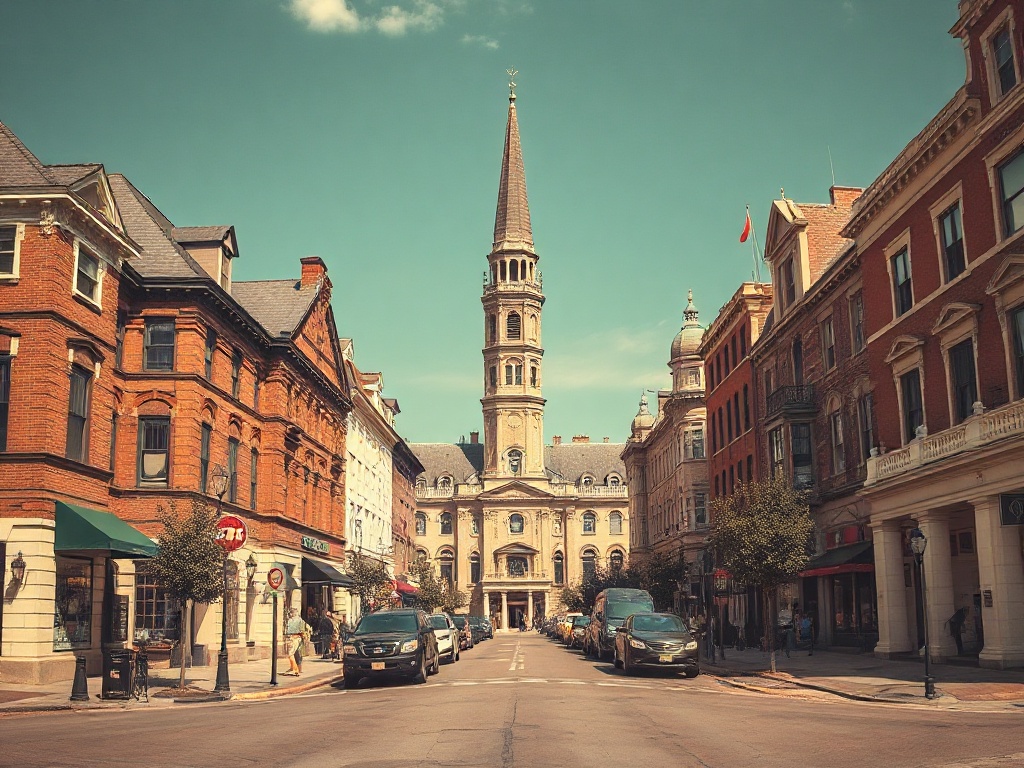
Georgetown blends cobblestone streets, Federal-style rowhouses, and a bustling waterfront into one of the region’s most visited neighborhoods.
Whether you’re after historic architecture, riverside walks, boutique shopping, or lively dining, Georgetown offers a concentrated dose of charm that rewards both first-time visitors and longtime locals.
What to see and do
– Stroll the C&O Canal towpath: A shaded, mostly flat trail that traces old towpath locks and preserved warehouses. It’s ideal for an easy walk, jog, or calm afternoon beside the water.
– Explore the waterfront: Georgetown Waterfront Park and the adjacent promenade are perfect for sunset views, riverfront dining, people-watching, and launching a kayak or paddleboard when weather allows.
– Walk the campus: The university’s historic core features impressive masonry buildings, leafy quads, and notable landmarks—an attractive blend of collegiate architecture and public spaces.
– Discover historic sites and gardens: Quiet museums and private estates turned public treasures offer garden tours, architectural interest, and occasional cultural programming. These sites provide a quieter counterpoint to the shopping corridors.
– Shop M Street and Wisconsin Avenue: From independent boutiques and design shops to familiar retailer outposts, Georgetown’s main streets are a shopping destination that mixes luxury, local makers, and artisanal finds.
– Find unique experiences: Antique stores, art galleries, and specialty food shops add texture to a walking tour.
For film buffs, a short walk reveals a famously steep staircase that featured in a classic horror movie.
Where to eat and drink
Dining options span casual cafes, lively brunch spots, refined bistros, and waterfront patios.
The neighborhood’s culinary scene blends longtime neighborhood favorites with newer concepts—perfect for trying local flavors, enjoying weekend brunch, or settling in for an evening meal overlooking the Potomac.
Smaller bars and cozy jazz venues keep evening energy lively without turning the area into a late-night party zone.
Practical tips for visiting
– Transit and access: There isn’t a subway stop inside the historic core, but frequent buses, neighborhood circulator services, and bike routes connect Georgetown to nearby Metro stations. Capital Bikeshare and local bike lanes make two-wheel access easy. Driving is possible but expect limited metered parking and occasional residential restrictions—plan ahead for parking.
– Walkable layout: Georgetown is compact and extremely walkable; comfortable shoes are recommended for cobblestones and occasional hills.
– Respect the neighborhood: Many streets are residential and protected by historic-preservation rules. Keep noise levels reasonable, follow signage at preservation sites, and stick to public paths in park areas.
– Best times to explore: Weekday mornings offer quieter streets and better access to historic homes and galleries. Evenings bring the waterfront and restaurants to life.
Why Georgetown endures
A combination of strict preservation, adaptive reuse of historic buildings, and thoughtful public spaces keeps Georgetown both admired and functional. It balances tourist appeal with everyday neighborhood life: retail, academia, and the river all coexist in a way that continues to attract culture seekers, students, shoppers, and outdoor enthusiasts.
Whether you’re planning a short visit or a longer stay, Georgetown rewards slow exploration—meandering lanes, unexpected courtyards, and riverside vistas that invite you to linger.
Leave a Reply