Georgetown: A timeless guide to exploring Washington’s historic neighborhood
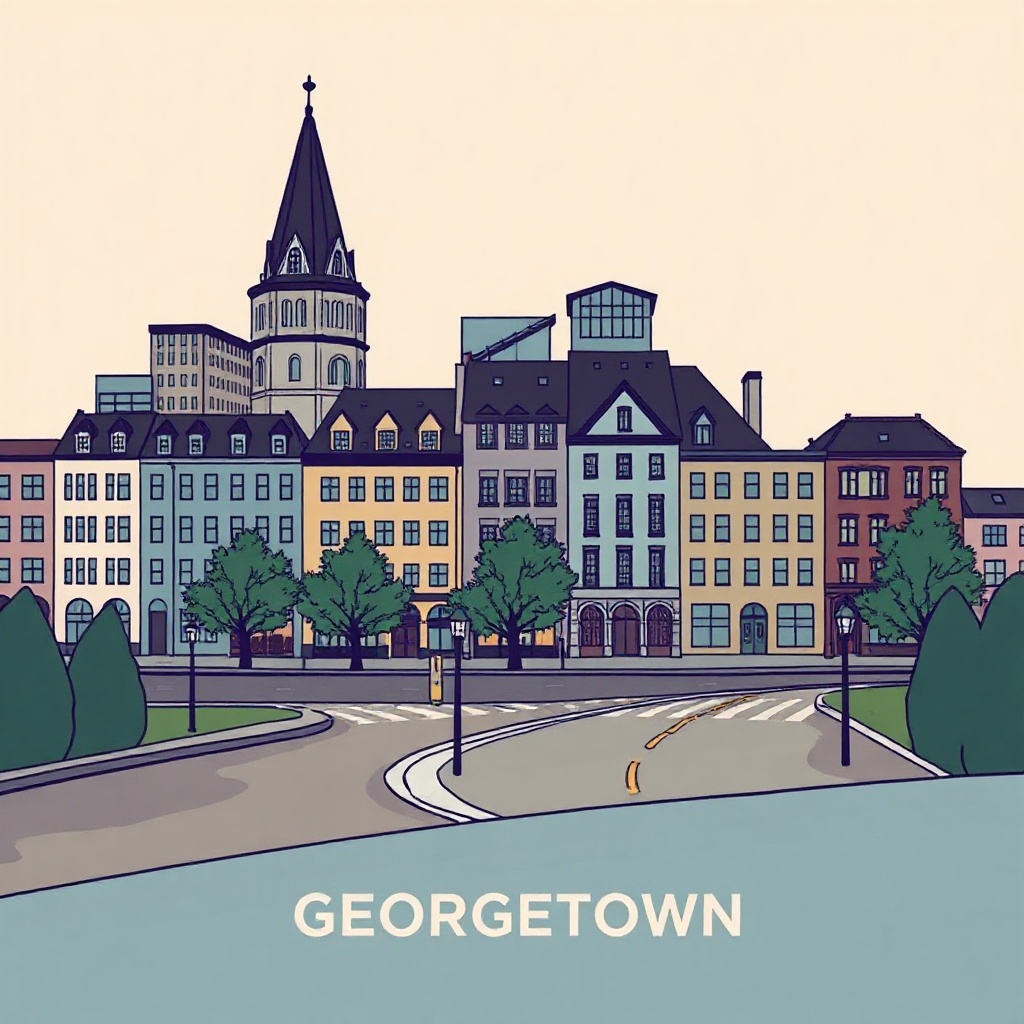
Georgetown blends history, shopping, and waterfront life into one walkable neighborhood that remains a favorite for visitors and locals. Whether you’re here for campus architecture, a riverside stroll, or independent boutiques, Georgetown offers a compact mix that rewards slow exploration.
What to see and do
– Stroll the C&O Canal Towpath: A peaceful ribbon along the canal invites walkers, joggers, and cyclists. The towpath reveals historic lock houses and scenic views, and it’s an easy escape from the street-level bustle.
– Explore the waterfront: Georgetown Waterfront Park and the piers along the Potomac are ideal for sunset watching, boat-watching, and seasonal outdoor dining.
Kayak and paddleboard rentals are often available nearby for a river perspective.
– Wander M Street and Wisconsin Avenue: These parallel retail corridors host a mix of national brands and independent retailers. You’ll find specialty shops, home goods, and boutiques offering items you won’t spot elsewhere.
– Visit historic sites: Look for the Old Stone House tucked among rowhouses, admire the stately campus architecture of Georgetown University, and discover historic gardens and museums scattered through the neighborhood.
– Photo-worthy spots: The leafy row houses, cobblestone alleys, and the iconic canal locks make for great photographs; don’t miss the steps made famous by a classic film thriller and the view from the Key Bridge.
Eat, drink, and relax
Georgetown’s dining scene ranges from cozy cafés and artisan bakeries to refined restaurants and lively pubs. For quick bites, you’ll find celebrated bakeries and coffee shops that specialize in locally roasted beans and seasonal pastries. Waterfront restaurants offer fresh seafood and scenic seating, while tucked-away bistros serve chef-driven menus. Many establishments balance classic favorites with creative seasonal plates.
Practical tips
– Getting there: Georgetown does not have a Metro station inside the neighborhood. The easiest public-transit options are Circulator buses and local bus routes that connect to nearby Metro stops.
Walking from Foggy Bottom is manageable for many visitors, and bike-share docks are plentiful.
– Parking: Street parking is metered and can be limited during busy periods. If driving, consider public garages rather than hunting for curbside spaces—parking apps help locate availability.
– Best times to visit: Weekday mornings and early afternoons are quieter for window shopping and canal walks. Evenings are lively at restaurants and bars; weekends can be crowded, especially in good weather.
– Accessibility: Many main streets are walkable, but historic areas include uneven cobblestones and steps. Check individual venue accessibility policies if mobility is a concern.
Shop thoughtfully
Independent stores and small batch artisans are a hallmark of Georgetown. Look for unique gifts, upscale fashion, and home décor. If you prefer national brands, the commercial corridors offer those too—allowing a convenient mix of discovery and familiar shopping.
Why it endures
Georgetown’s appeal comes from its layered character: colonial-era buildings sit beside vibrant commercial streets and a calm waterfront. The neighborhood manages to feel both historic and current, offering day-to-night experiences that suit families, students, and urban explorers alike.
Whether you’re planning a short visit or a relaxed day exploring, Georgetown rewards curiosity.
Bring comfortable shoes, leave room for a meal or pastry, and allow time to wander—some of the best finds are discovered off the main drag.
Leave a Reply