Washington DC remains a compact, walkable city where history, culture, and green space meet. Whether you’re drawn to the iconic monuments on the National Mall, the quieter trails of Rock Creek Park, or the vibrant neighborhoods serving some of the best food in the region, practical planning makes the most of a visit.
What to prioritize
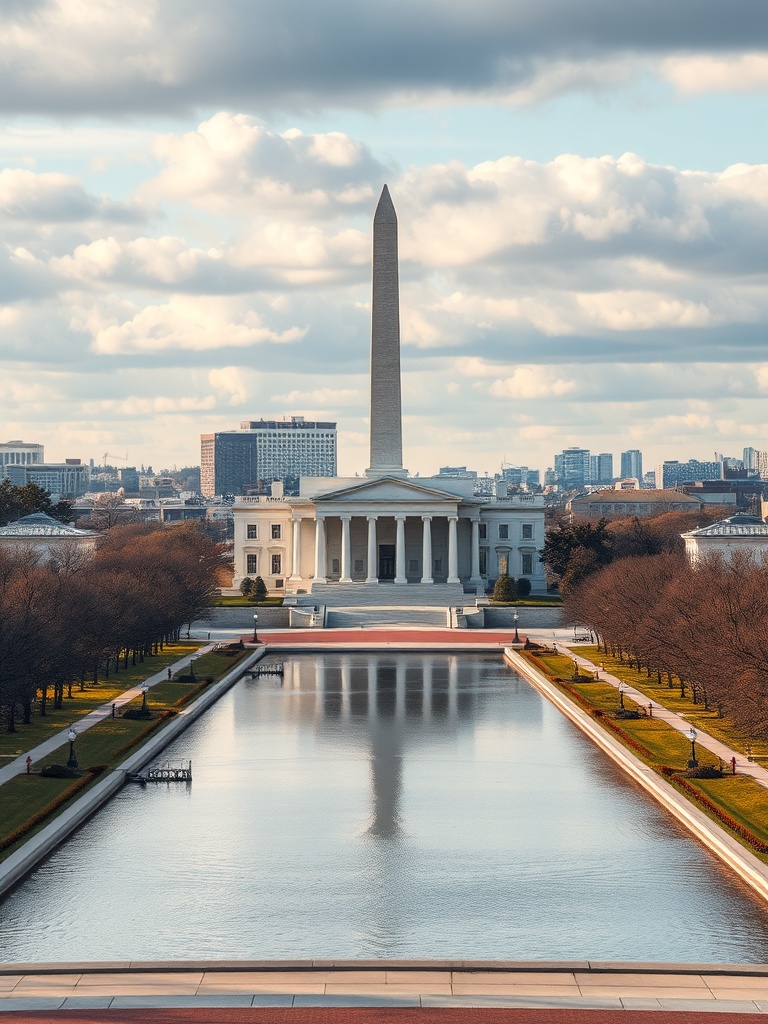
– National Mall & memorials: The Lincoln Memorial, Washington Monument, and World War II Memorial anchor the Mall’s landscape. Early morning or late afternoon delivers softer light for photos and fewer crowds. Take time to walk the Mall end-to-end to appreciate sightlines and reflective pools.
– Smithsonian museums: Many Smithsonian museums offer free admission and world-class exhibits on art, history, and science. Pick a couple that match your interests—crowds concentrate at the most famous ones, so consider lesser-known gems for a calmer experience.
– Capitol & White House glimpses: Public access to federal buildings and special tours requires advance planning. Even without an inside tour, the surrounding architecture and visitor centers provide rich context about how the city operates.
– Neighborhood exploration: Georgetown’s cobblestone streets and waterfront, the nightlife and jazz legacy of U Street, and the evolving dining scenes in Penn Quarter and NoMa give each area a distinct personality. Walk blocks instead of hopping cabs to discover hidden cafés and boutiques.
– Outdoor escapes: Rock Creek Park offers miles of trails and a peaceful contrast to the urban core.
The waterfront along the Potomac and Anacostia rivers provides bike paths, paddle sports, and scenic picnic spots.
Getting around efficiently
Washington DC’s public transportation makes cruising between attractions simple. The subway and bus networks cover most tourist areas; look for frequent local circulator routes that link neighborhoods. Bike-share programs and rental bikes are widespread—cycling is a fast way to cover the Mall and riverfront paths. For short hops, electric scooters and rideshare services are plentiful, but follow local rules and park responsibly.
Timing and seasonal notes
Spring brings flowering trees and festival energy, but peak times can create heavy demand at the Tidal Basin and monuments. Summers are lively with outdoor concerts and markets, but midday heat can be intense—carry water and sunscreen.
Fall delivers comfortable weather and beautiful foliage in urban parks. Winter is quieter and often easier for visiting indoor attractions without lines.
Tips for a better visit
– Wear comfortable shoes; the Mall and surrounding areas mean a lot of walking.
– Check museum and attraction hours before you go; some sites adjust hours seasonally or for special events.
– Carry a water bottle and small snacks; while dining is excellent, lines and popular restaurants can slow you down.
– Be mindful of security checkpoints and bag rules at major memorials and federal sites—light, clear bags speed entry.
– Respect memorial etiquette: many sites are meant for reflection and remembrance, so keep group noise low and follow signage.
– Use neighborhood markets and food halls to sample local flavors quickly and affordably.
Why it works
Washington DC’s compact scale lets visitors layer history, culture, and outdoor time into a single day without long commutes. Mixing top attractions with neighborhood strolls provides a fuller sense of the city beyond guidebook highlights.
With a little planning and flexible timing, you’ll enjoy both the iconic views and the local discoveries that make the capital uniquely rewarding.
Leave a Reply