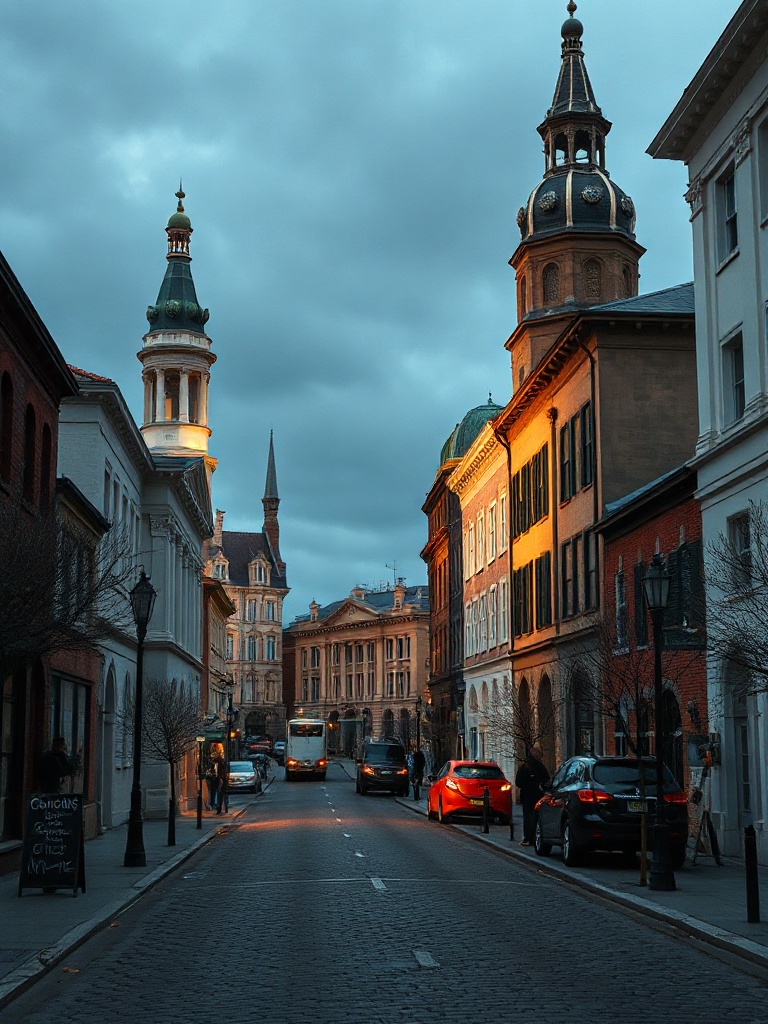
Georgetown blends old-world charm with lively urban energy, making it one of the region’s most visited neighborhoods. Narrow, cobblestone streets and brick rowhouses sit next to bustling shopping corridors and a scenic waterfront, offering a compact area packed with history, culture, and modern amenities.
Why visitors keep coming
Georgetown’s appeal comes from its layered character. The C&O Canal towpath invites relaxed walks and bike rides along the Potomac River, while the Georgetown Waterfront Park provides green space, river views, and opportunities for kayaking or paddleboarding during warm months.
The Key Bridge frames the skyline and offers a memorable photo backdrop at sunset.
Shopping and dining
M Street and Wisconsin Avenue are the neighborhood’s retail arteries. These streets host a mix of national brands, independent boutiques, and specialty shops that draw both locals and tourists. Dining is equally diverse: upscale restaurants, classic American taverns, cozy cafés, and popular bakeries create a culinary scene that suits date nights, family meals, and casual coffee stops alike.
Culture and green spaces
Cultural attractions include museum-quality gardens and historic estates tucked into residential blocks. Visitors can stroll manicured landscapes, attend small-scale concerts, or explore curated exhibitions that highlight art, history, and horticulture. Public parks and pocket gardens offer quiet retreats from the city’s pace and are ideal for picnics or a midday break.
Campus life and architecture
The university presence shapes much of Georgetown’s atmosphere. Campus architecture ranges from grand stone buildings to intimate courtyards, and student life brings energy to local shops, bars, and cultural events. Historic homes and preserved facades reflect the neighborhood’s past, and preservation efforts keep the character intact even as new businesses and amenities arrive.
Practical tips for visiting
– Getting there: Georgetown is served by nearby metro stations and multiple bus and circulator routes. Many visitors choose rideshare or walking from adjacent neighborhoods because parking is limited.
– Best times: Weekdays and early mornings are less crowded for sightseeing and photography. Weekend markets and events bring extra energy, so plan accordingly.
– Walking: Bring comfortable shoes; the area is compact and best experienced on foot.
Cobbled streets and hilly blocks add to the charm but can be uneven.
– Family-friendly options: Waterfront greenways, the canal towpath, and kid-friendly eateries make Georgetown an approachable destination for families.
– Accessibility: Several attractions and public spaces offer accessible routes, though older sidewalks and historic sites may present challenges in spots.
Community and development
Ongoing conversations about development, zoning, and public access to the waterfront are part of what keeps Georgetown dynamic. Residents and business owners actively participate in planning discussions, balancing preservation with the need for updated infrastructure and community amenities.
Whether you’re shopping along M Street, taking a riverside stroll, or exploring historic alleys, Georgetown delivers a concentrated mix of history, leisure, and modern urban life. Schedule enough time to wander without rushing—part of the neighborhood’s charm is discovering tucked-away courtyards, local bakeries, and riverside views that reward slow exploration.
Leave a Reply