How the Washington Nationals Can Build Sustained Success: Pitching, Development, and Fan Experience
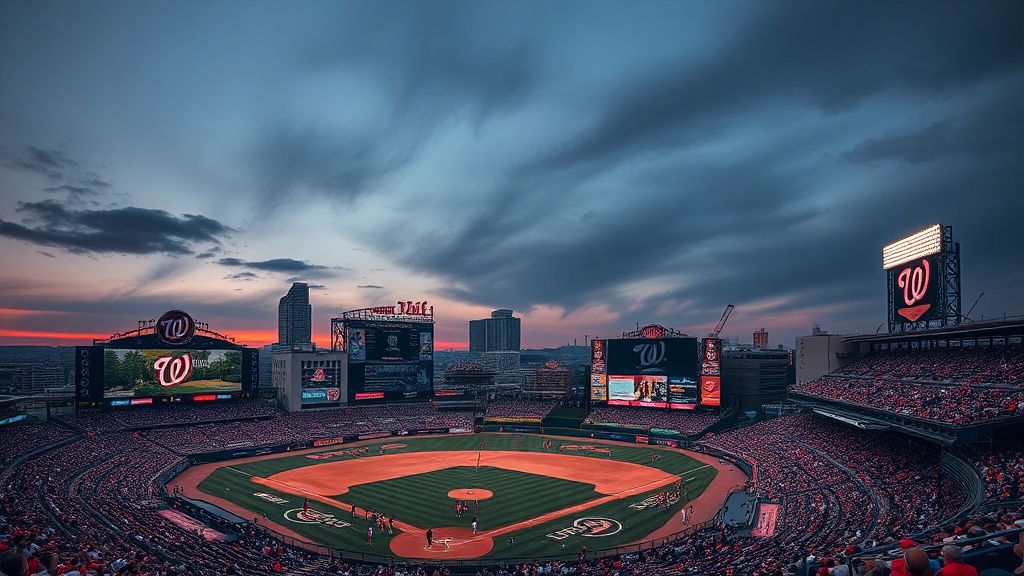
The Washington Nationals remain a franchise with passionate fans, a modern ballpark, and a farm system that can supply impact players. Building sustained success requires a clear, multi-pronged approach that balances scouting, pitching depth, smart use of analytics, and a fan-first ballpark experience.
Pitching depth starts at the top
Elite rotations and a reliable bullpen are the backbone of any contender. Investing in controllable starting pitchers—through drafting, development, and targeted trades—reduces reliance on short-term free-agent binges. Emphasize velocity maintenance, spin-rate optimization, and pitch sequencing during minor-league development so prospects arrive ready to contribute. For the bullpen, focus on multi-inning relievers and late-inning arms who can handle high-leverage situations. A mix of veteran leadership and young, high-leverage-ready pitchers creates stability when the stretch run tightens.
Player development: not just talent, but process
A robust development pipeline is about more than raw tools. The organization should standardize pitching and hitting philosophies across levels to smooth transitions, prioritize individualized workload plans to prevent injuries, and use biomechanical assessments to refine mechanics without derailing growth. Strength and conditioning programs tailored to baseball movements minimize soft-tissue injuries and improve durability.
Mental skills coaching—approaches to focus, recovery, and situational awareness—often separates good prospects from great major-league contributors.
Scouting and analytics working together
Scouts provide context that numbers can miss; analytics reveal patterns human eyes might not catch. The most effective front offices blend both. Continue to scout internationally and domestically with an eye for high-upside athleticism and competitive makeup.
Use data to identify undervalued skills—like elite exit velocity or spin-efficiency—that translate well to major-league success. Analytics should also guide defensive alignment and bullpen deployment to maximize matchups without overcomplicating in-game flow.
Smart roster construction and flexibility
Roster flexibility allows a team to respond to injuries, slumps, and trade opportunities.
Prioritize controllable contracts and younger players with upside to maintain payroll flexibility for mid-season acquisitions when a playoff push makes sense. Avoid overcommitting to long-term deals that limit ability to upgrade.
Having a few veteran mentors can accelerate younger players’ adjustments to the big-league routine.
Enhancing the Nationals Park experience
Winning on the field is essential, but the fan experience keeps stadiums full during rebuilding phases. Improve game-day entertainment, offer diverse food options, and maintain efficient entry and concession operations. Community outreach—youth clinics, partnerships with local schools, and charity events—strengthens the team’s presence and builds the next generation of fans. Digital engagement, from a streamlined app to personalized ticket offers, increases attendance and lifetime fan value.
Health, recovery, and technology
Invest in injury prevention technology—wearables, motion capture, and recovery protocols—to keep core players available. Recovery suites, tailored nutrition plans, and proactive rehab shorten downtime and preserve player value.
Teams that prioritize health systems often win the endurance race over long seasons.
A winning blueprint
Sustained success isn’t about a single blockbuster trade or a splashy free-agent signing. It’s a sustained investment in pitching, coherent player development, smart roster management, and a fan-focused ballpark experience.
When those elements align, the Washington Nationals can turn potential into consistent contention while keeping the community engaged and energized. Fans can expect a thoughtful approach that balances immediate competitiveness with long-term stability, ensuring the club remains a staple of the region’s sports landscape.
Leave a Reply