Washington DC blends iconic monuments with vibrant neighborhoods, world-class museums, a lively food scene, and green spaces that invite exploration.
Whether you’re a first-time visitor or a local looking for fresh ideas, this guide highlights ways to experience the city beyond the postcards.
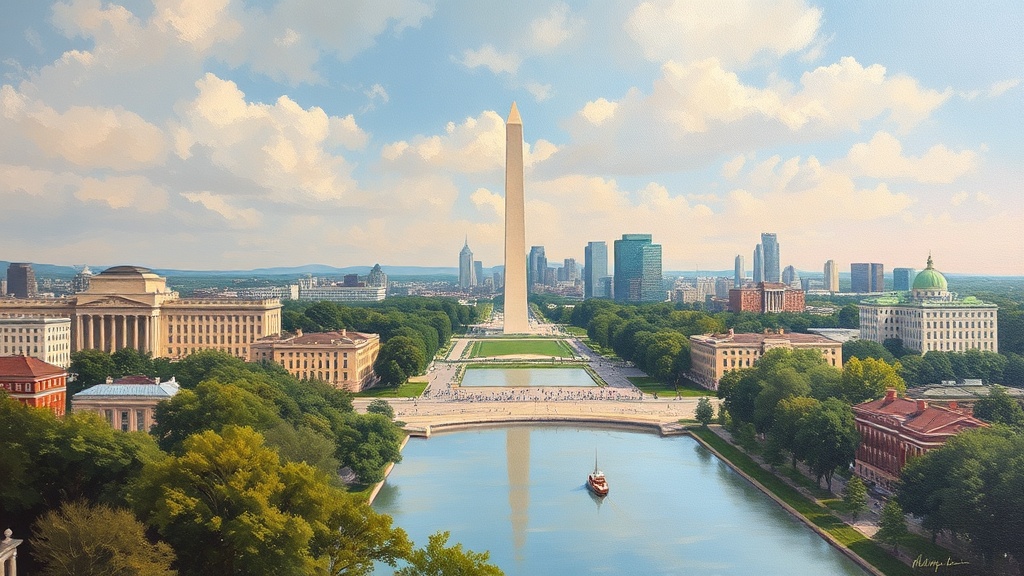
Start at the National Mall
The Mall anchors many must-see attractions: sweeping views of the Capitol, Lincoln Memorial, and Washington Monument, plus dozens of Smithsonian museums where general admission is free. For a quieter visit, arrive early to walk the memorials in cooler light and fewer crowds. Museums often have timed-entry policies for popular exhibits, so check requirements before you go.
Explore neighborhood character
Washington’s neighborhoods each deliver a distinct vibe. Stroll Georgetown’s cobblestone streets and historic waterfront, then hop to the nearby Kennedy Center for performing arts or the lively scene along K Street. U Street and Shaw offer a rich music and dining heritage, with jazz clubs and modern restaurants coexisting side by side. Eastern Market and its surrounding Capitol Hill streets are ideal for local produce, artisanal goods, and classic neighborhood cafes.
Dupont Circle and Adams Morgan are longtime favorites for nightlife, bookstores, and eclectic dining.
Waterfronts and green spaces
The Potomac River and the Anacostia River provide recreational options year-round. Kayaking, paddleboarding, and riverside walks are popular ways to escape the urban pace. The Wharf and Navy Yard neighborhoods combine waterfront dining, outdoor concerts, and scenic promenades that are great for an afternoon or evening outing. For nature within the city, the United States Botanic Garden and Rock Creek Park deliver peaceful gardens, trails, and interpretive programs.
Food, markets, and dining
DC’s culinary scene ranges from celebrated fine dining to inventive street food. Union Market and Eastern Market are essential stops for local vendors, specialty ingredients, and chef-driven stalls.
Don’t miss the vibrant international options in neighborhoods like Mount Pleasant and Columbia Heights. Food halls and pop-up markets make it easy to sample a variety of cuisines in one visit.
Museums and culture beyond the Mall
Beyond the Smithsonian collection, find museums that cover specialized topics—from aviation and postal history to modern art and urban design.
Small, focused museums often offer surprising depth and fewer crowds. The city’s performing arts calendar features theater, classical music, dance, and contemporary performances; many institutions provide free or discounted options on select nights.
Getting around and practical tips
Public transit is usually the fastest way to get around the core city; buses, light rail, and bike-share programs provide flexible alternatives. Walking remains one of the best ways to discover hidden details—statues, murals, and lively neighborhood storefronts.
If driving, allow time for parking and occasional traffic congestion. Comfortable shoes and layers are advisable, as weather can change quickly.
Plan smart for peak times
Major monuments and museums attract the biggest crowds around midday and during popular holidays. To make the most of your time, reserve any required museum passes in advance, prioritize a few must-sees, and leave room for spontaneous discoveries—an art opening, a neighborhood festival, or a riverside concert can become a highlight.
Washington DC rewards curiosity: famous landmarks, neighborhood surprises, and cultural richness are just a short walk or transit ride apart. With a loose plan, comfortable pace, and openness to wandering, visitors can experience the city’s layered history and dynamic present.
Leave a Reply