How the White House Balances Security, Accessibility, and Public Engagement
The White House is both a working office and a national symbol, which means it must serve multiple purposes at once: protect the president and staff, preserve historic spaces, and remain accessible to the public. Finding the right balance between security and openness is an ongoing effort that shapes how visitors experience this iconic residence and how the institution connects with citizens.
Public access and visitor experiences
Public tours offer one of the most direct ways people engage with the White House. Requests for tours are typically submitted through a member of Congress or an embassy for international visitors, and availability is limited.
Tours are curated to showcase key rooms and artifacts while maintaining the integrity of daily operations.
Beyond in-person visits, digital initiatives help broaden access. Virtual tours, online galleries, and educational multimedia provide an alternative for those who cannot travel or who seek deeper context before a visit.
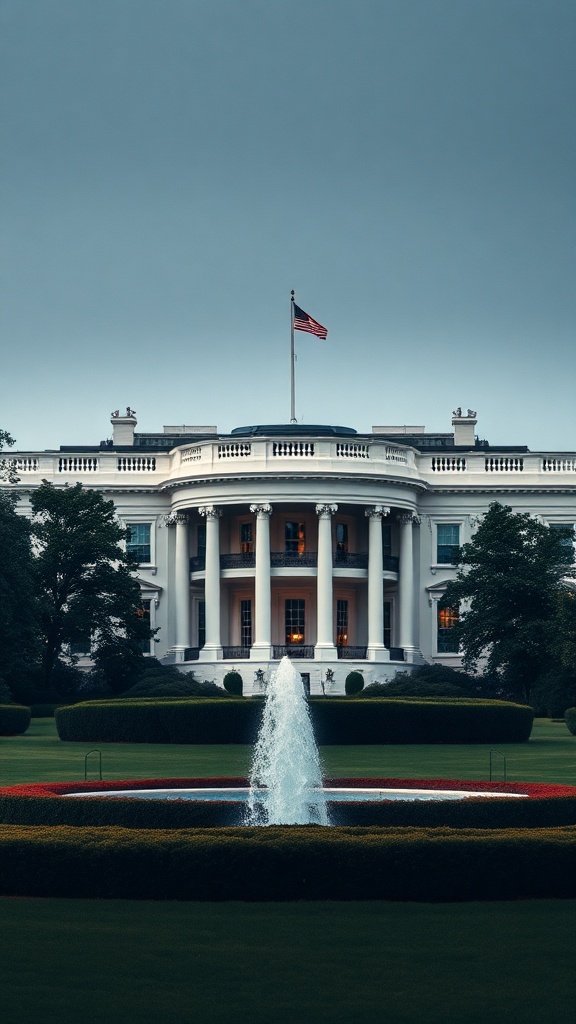
Special public programs, such as seasonal displays and community events, extend engagement by highlighting arts, culture, and historic traditions tied to the property.
Security and operational considerations
Security protocols are necessarily strict. Screening measures, background checks, and restricted access points protect visitors and staff alike.
Bag restrictions, metal detectors, and ID requirements are common, and visitors should always check official guidance before planning a trip.
These measures are designed to be thorough without detracting from the visitor experience, though they can limit spontaneous visits and require advance planning.
Preservation and stewardship
The White House is a working museum with ongoing preservation needs. Conservation teams manage historic furnishings, textiles, artworks, and architectural details. Any restoration or maintenance work must balance modern requirements—like climate control and accessibility—with the need to preserve historic character.
Landscape stewardship is another key component. Gardens and outdoor spaces are managed to support ceremonial functions and public programming while preserving native plantings and sustainable practices. Seasonal displays and garden events are executed with both aesthetics and ecological impact in mind.
Accessibility and inclusion
Efforts to make the White House accessible reflect broader priorities around inclusion.
Physical accessibility improvements, such as ramps and elevators where feasible, are paired with programmatic accessibility like captioning, audio descriptions, and tactile exhibits for visitors with disabilities.
Outreach efforts aim to make programs welcoming to diverse communities and to incorporate a range of perspectives into exhibits and events.
Technology, transparency, and public communication
Digital platforms play a growing role in how the White House interacts with the public. Official websites and social channels provide updates on tours, events, and public policy communications. Virtual programs and educational resources help bridge geographic and mobility barriers, and interactive content allows users to explore historic rooms and collections remotely.
Planning your visit
If you’re planning a visit, start by checking official channels for the latest visitor information and requirements.
Be prepared to schedule in advance, bring acceptable identification, and comply with security screening. Consider virtual resources in advance of an in-person experience to get the most from limited tour time.
The White House remains a place where national history, public life, and civic engagement intersect. By combining careful stewardship, robust security, and expanding digital outreach, it continues to serve as both a functional seat of government and a site for public connection and learning.
Leave a Reply